The rainforests of northern New South Wales occupy a particular space in Australian travel. They’re accessible enough that you won’t need specialist equipment or a guide service, yet remote enough that poor timing or planning creates genuine friction. I’ve spent considerable time moving between these areas, and the pattern that emerges is straightforward: each rainforest cluster has a distinct character, and success depends on matching your expectations to what’s actually there.
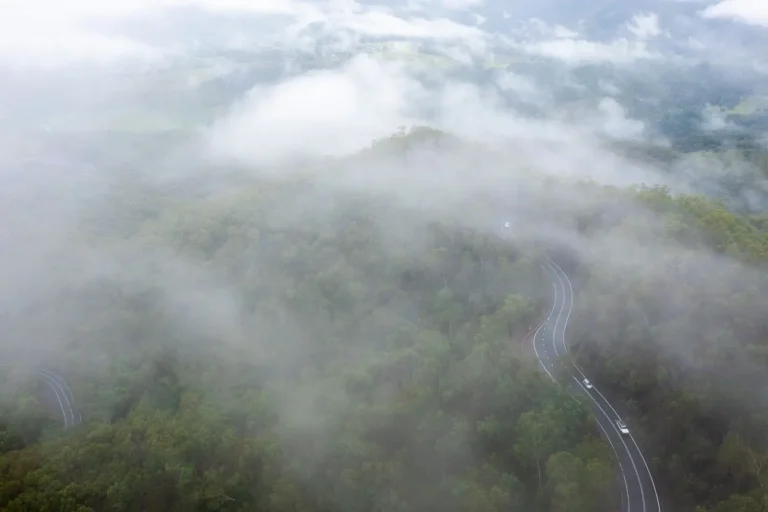
The region stretches from the tablelands west of Coffs Harbour through to the Queensland border, but it’s not a continuous green mass. Rainforest patches sit within eucalypt forest, separated by cleared land and small towns. This matters because it shapes how you move between destinations and what you’ll encounter when you arrive. A day trip that sounds simple on paper often involves more driving than anticipated, and the rainforest itself – while undeniably impressive – doesn’t deliver the same visual drama as tropical rainforest further north.
Dorrigo and the Southern Tablelands
Dorrigo sits at roughly 750 metres elevation and functions as the de facto hub for this region. The rainforest here is cool temperate, which means it feels fundamentally different from what most people imagine when they picture rainforest. The canopy is dense but not impossibly tall, and you’ll see plenty of light filtering through. The Dorrigo Rainforest Centre provides basic orientation, though the real value is in the walking tracks that radiate outward.
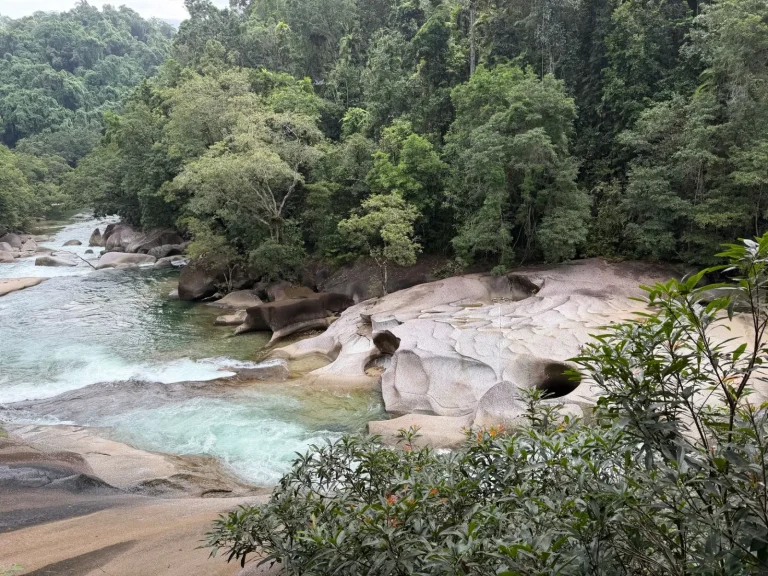
The Never Never Picnic Area offers the most straightforward introduction. A short walk leads to a small waterfall and pool, and the track is well-maintained. The limitation is that it’s short – most people finish in under an hour – and on weekends it absorbs considerable foot traffic. The Rosewood Creek circuit is longer and more rewarding if you have two to three hours. The creek itself is the focal point; the walk follows it through the forest, and the water quality is generally good enough for a swim if you’re willing to get cold.
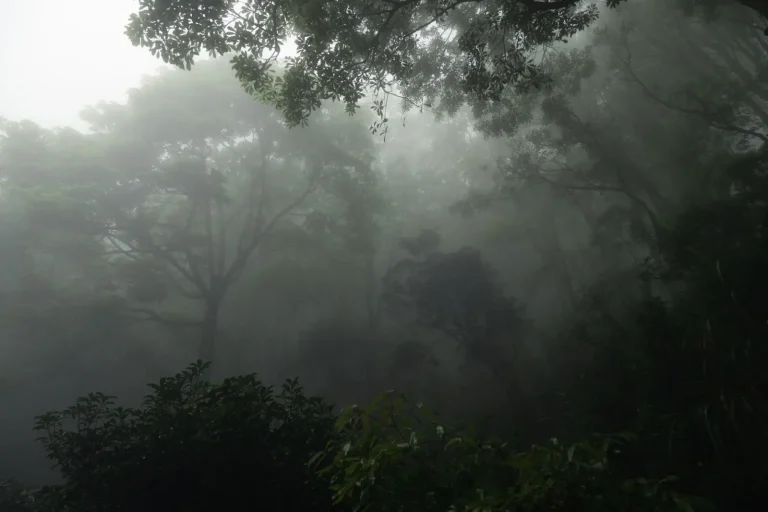
What often catches people off guard is the mud. Even when there hasn’t been recent rain, these tracks retain moisture, and the soil is genuinely slippery. Proper footwear matters more than you’d think. I’ve watched people in casual shoes turn back halfway through because they’ve lost confidence in their footing. The other reality is that the forest canopy is thick enough that you won’t see much sky, which means the light remains dim even on clear days. If you’re expecting to photograph the forest, bring a camera that performs well in low light or accept that your phone won’t capture what you’re actually seeing.
Coffs Harbour’s Coastal Rainforest Pockets
Coffs Harbour itself is a coastal town, but the hinterland rainforest is accessible within 30 to 40 minutes of driving. Muttonbird Island, technically not rainforest but coastal heathland and forest, sits right in the town and offers a different experience entirely. The walk is short and the views of the coast are the main draw, but it’s useful as a warm-up if you’re new to the area.
The real rainforest near Coffs is at places like Boambee Creek and the Solitary Islands area. These are smaller, more intimate spaces than Dorrigo. Boambee Creek has a short, easy track that follows the creek through the forest. It’s popular with families because the walk is achievable for younger children and the creek provides a focal point. The limitation is that it’s genuinely small; you can complete the circuit in 20 to 30 minutes, which means it works best as part of a larger day rather than as a standalone destination.
The Coffs region benefits from being closer to the coast, which means you can combine rainforest time with beach time in a single day. This is practical if you’re managing fatigue or if someone in your group isn’t enthusiastic about extended forest walking. The trade-off is that the rainforest itself is less extensive and less immersive than what you’ll find further inland at Dorrigo or Bellingen.
Bellingen and the Kalang Valley
Bellingen is a small town that has become something of a creative hub, which means it has better cafes and accommodation options than you’d typically find in a rural area. The surrounding rainforest is accessed primarily through Kalang Valley, which sits about 15 minutes south of town. The area includes several walking options, and the forest here feels more substantial than the Coffs Harbour pockets.
The Promised Land circuit is the most popular walk in the area. It’s a moderate loop that takes roughly two hours and passes through rainforest, open forest, and farmland. The variety is actually useful; the shifts between forest types help break up the walk and provide different perspectives. The forest sections are genuinely lush, and you’ll see tree ferns and a healthy understory. The main limitation is that the track can become muddy and slippery, particularly on the descent, and it’s narrow enough that passing other walkers requires some negotiation.
Bellingen’s real value emerges if you’re planning to stay overnight. The town itself is worth exploring, and the surrounding area has multiple smaller walks and natural attractions. If you’re passing through for a day trip from Coffs Harbour or further south, you’ll spend a significant portion of your time driving rather than walking. The distance isn’t enormous, but it’s enough that you need to commit to the journey rather than treating it as a casual detour.
Nambucca Heads and the Inland Plateau
South of Bellingen, Nambucca Heads sits on the coast, but the rainforest access here is inland and less developed than the northern options. The Bowman Park area has some forest, but it’s smaller and less impressive than what you’ll find at Dorrigo or Bellingen. If you’re in the Nambucca area for coastal reasons, it’s worth a quick visit, but it’s not a destination in itself.
The real inland rainforest in this region sits on the plateau west of Nambucca, but access is more limited and the infrastructure is minimal. This is territory for people who are specifically interested in bushwalking rather than casual forest visiting. The forest is genuinely wild, which means it’s rewarding for the right person but potentially frustrating for someone expecting maintained tracks and clear signage.
Timing and Seasonal Reality
The rainforests of northern NSW are accessible year-round, but the experience shifts significantly with season. Summer brings humidity and, occasionally, leeches. The leeches are rarely dangerous but they’re persistent, and some people find them genuinely distressing. Winter is cooler and drier, which makes walking more comfortable, but the light is lower and the forest feels more subdued. Autumn and spring are genuinely the sweet spot; the temperature is moderate, the light is better, and the trails are generally in good condition.
Rain is the variable that actually changes access. The tracks don’t close, but they become significantly more treacherous when wet. The mud thickens, the rocks become slippery, and what was a straightforward walk becomes genuinely technical. I’ve seen people turn back because they’ve lost confidence in their footing, and that’s a legitimate response rather than a failure. If you’re planning a specific walk and rain is forecast, it’s worth delaying rather than pushing through.
Getting There and Logistics
All of these destinations require a car. Public transport exists in the towns but not to the trailheads. Dorrigo is roughly 90 minutes from Coffs Harbour. Bellingen is 45 minutes south of Dorrigo. If you’re planning to visit multiple areas in a single trip, you’re looking at significant driving time. This is worth factoring into your planning because fatigue from driving affects how much walking you’ll actually do once you arrive.
Accommodation ranges from basic to comfortable. Dorrigo has a small number of guesthouses and holiday rentals. Bellingen has more options and better facilities. Coffs Harbour has extensive tourism infrastructure. If you’re staying overnight, you have genuine choices. If you’re day-tripping from the coast, you’re committing to a full day of travel.
The rainforests of northern NSW deliver what they promise, but only if your expectations match the reality. They’re not tropical rainforest, and they’re not wilderness in the sense of being genuinely remote or difficult. They’re accessible, well-maintained, and genuinely beautiful if you’re willing to accept that beauty on their terms rather than on terms shaped by photographs or imagination. The best approach is to pick one area, spend time there, and let the forest reveal itself at its own pace rather than trying to sample everything in a single visit.