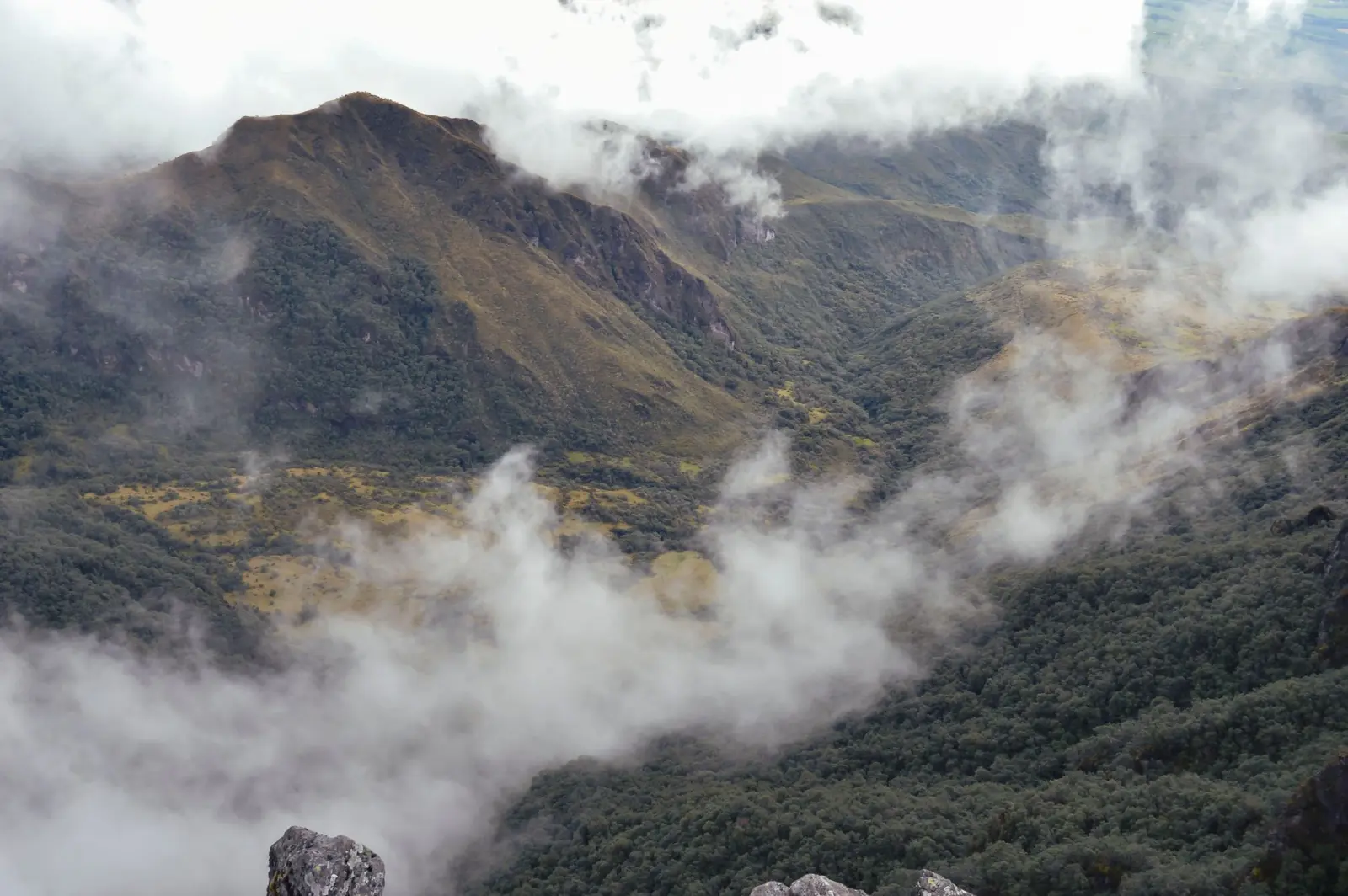
The high-elevation rainforests that sit along border ranges occupy a peculiar ecological space. They are not quite alpine, not quite tropical lowland. They exist in a state of perpetual transition – caught between competing weather systems, shifting vegetation zones, and the kind of isolation that makes resupply and rescue genuinely complicated. After spending considerable time moving through these environments, I’ve learned that the popular image of rainforests – lush, warm, predictable – bears almost no resemblance to what you actually encounter above 2,000 meters in these border regions.
The first thing that strikes most people is how cold it gets. The elevation alone guarantees temperature drops, but the constant cloud cover and wind create a persistent chill that feels colder than the thermometer suggests. I’ve watched experienced trekkers arrive in t-shirts and lightweight layers, assuming tropical conditions would prevail. By the second day, they’re wearing every piece of insulation they own, and many are still uncomfortable. The rain doesn’t fall in the dramatic downpours of lowland rainforests. Instead, it comes as a fine, penetrating drizzle that lasts for hours or days without break. Your gear gets damp. Your socks stay wet. Your sleeping bag feels clammy. This is the baseline condition, not an occasional inconvenience.
Visibility and Navigation Challenges
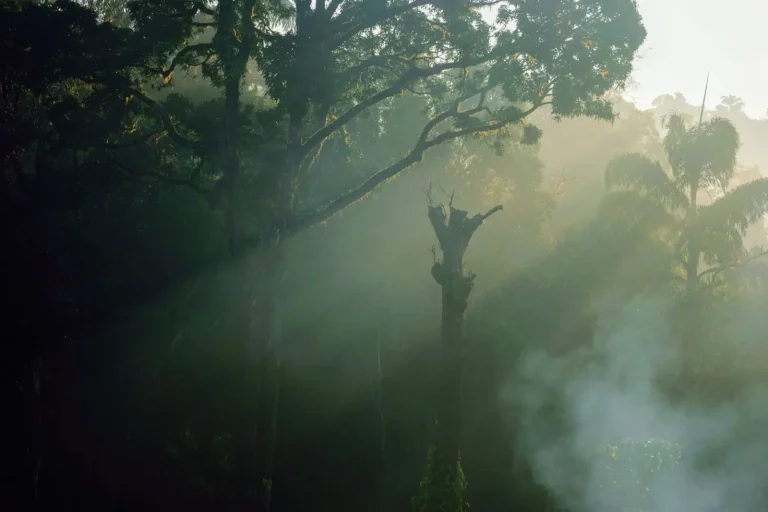
The cloud layer that blankets these forests most of the time creates navigation problems that are easy to underestimate from a distance. Visibility often drops to 20 or 30 meters. GPS becomes less reliable in dense canopy, and paper maps – while essential – require careful cross-referencing with terrain features you can barely see. I’ve encountered groups that lost the trail for hours in conditions where the path was objectively clear on the map but invisible on the ground due to fog and identical-looking vegetation. The forest here doesn’t have the dramatic topography of lower elevations. Ridges flatten out. Valleys become subtle. Without clear visual landmarks, direction becomes genuinely uncertain.
Trail maintenance in these zones is inconsistent. The combination of steep terrain, heavy precipitation, and low traffic means erosion happens quickly and repairs happen slowly. What was a manageable slope one season can become a treacherous scramble the next. Vegetation encroachment is constant. Moss and lichen grow so densely on rocks and fallen logs that footing becomes slippery even on what appears to be solid ground. I’ve seen experienced hikers slip on moss-covered stone that looked stable. The forest floor itself – a thick mat of rotting vegetation, roots, and organic matter – can hide holes and unstable ground beneath an apparently solid surface.
Flora and Fauna Patterns
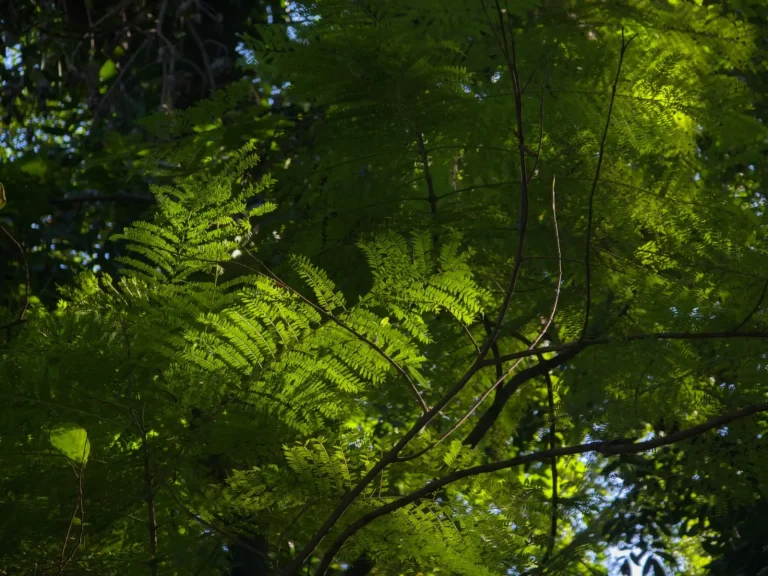
The biodiversity at these elevations is real but distributed differently than people expect. You won’t see large animals frequently. The terrain is steep, the vegetation is dense, and most large mammals move through during dawn and dusk. Bird calls are constant, but sightings remain rare. What you do encounter constantly are leeches. They are present in the soil, on vegetation, and in water sources. They are not dangerous, but they are relentless and psychologically wearing. The vegetation itself – moss-covered trees, dense understory, low canopy – creates an enclosed, almost claustrophobic walking environment. The forest doesn’t open up. Views are rare. The sense of scale and distance that you get in other mountain environments simply doesn’t exist here.
Insects are present but not overwhelming in the way lowland rainforests can be. The cooler temperatures keep mosquito populations manageable compared to lower elevations. However, biting flies and small gnats can be significant during certain seasons. More problematic is the constant dampness and the fungal and bacterial growth that thrives in these conditions. Foot problems – blisters, fungal infections, maceration – are common. Gear deteriorates faster. Metal rusts. Fabric mildews. Anything organic begins to decompose more quickly in the warm, wet environment.
Water and Logistics
Water is abundant but requires treatment. The streams that flow through these forests are clear and cold, which is appealing, but they are also exposed to animal traffic and organic decomposition from the dense forest ecosystem. I’ve learned to treat all water sources as a matter of routine, not exception. Giardia and other parasites are present. The abundance of water also means the terrain is often boggy. Sections of trail can be essentially waterlogged. Proper footwear – something with good drainage and ankle support – becomes critical. Lightweight shoes or sandals are impractical here.
Resupply in border-range regions is rarely straightforward. Villages and settlements at the base of these forests are often small, isolated, and not accustomed to trekker traffic. Expecting to find specific food items or gear repairs is unrealistic. Most people moving through these areas are self-sufficient for extended periods. The weather can trap you. A pass can become impassable. A swollen river can block a route. I’ve experienced delays of two to three days waiting for conditions to improve enough to move forward. This isn’t dramatic emergency territory – it’s just the reality of moving through remote, high-elevation rainforest where infrastructure is minimal and weather dominates the schedule.
Acclimatization and Physical Demands
The elevation creates physiological demands that compound the physical challenge of the terrain. The steep grades are relentless. There are few flat sections. Your legs work constantly. The reduced oxygen availability means your cardiovascular system is under sustained stress. People who are fit at sea level often find themselves moving slowly and tiring quickly. The combination of steep terrain, poor visibility, slippery footing, and altitude creates a pace that is necessarily deliberate. Rushing leads to accidents. I’ve seen people try to maintain lowland hiking speeds on these trails and suffer injuries as a result.
Acclimatization is individual and unpredictable. Some people adapt quickly to the elevation and feel fine after a day or two. Others experience persistent headaches, nausea, and fatigue throughout their time in these zones. There’s no reliable way to predict who will struggle. Ascending gradually helps, but the terrain often forces you to gain elevation quickly. Rest days are valuable, but they’re also days when you’re stationary in cold, damp conditions, which has its own psychological and physical costs.
The high-elevation rainforests of border ranges are not hostile environments, but they demand respect and realistic preparation. They reward patience, proper gear, and an acceptance that progress will be slower and conditions will be less comfortable than many trekkers anticipate. The isolation is real. The weather is unpredictable. The terrain is steep and often obscured. What makes these places worth visiting is precisely this combination of remoteness and difficulty – they remain relatively untouched because they are genuinely challenging to access. Understanding that challenge beforehand, rather than discovering it on the trail, makes the difference between a difficult but manageable journey and a genuinely dangerous one.