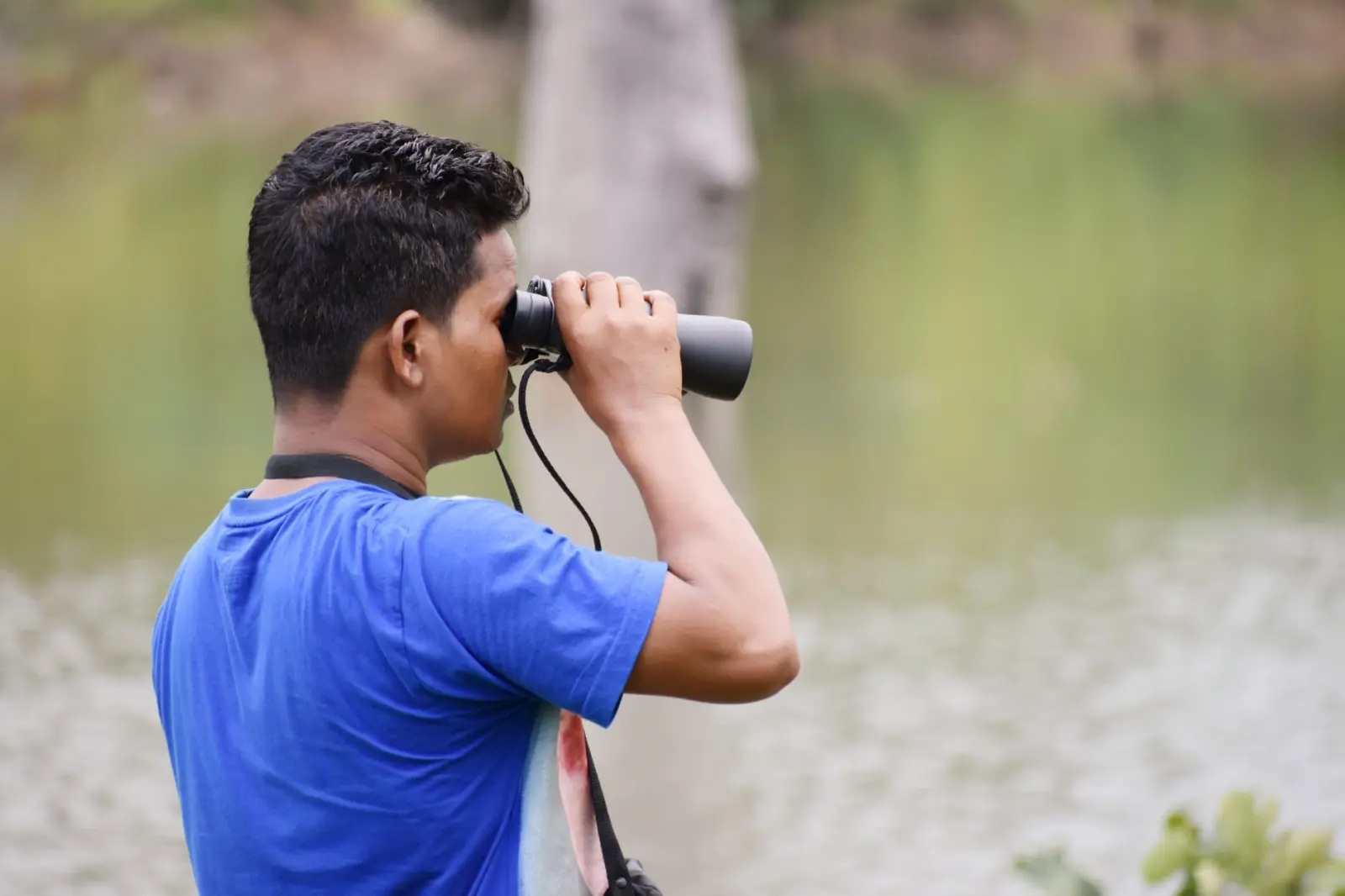
After years of moving through rainforests with binoculars and field guides, I’ve learned that the best birdwatching destinations aren’t always the ones with the longest species lists. What matters is alignment between what you’re willing to endure and what the forest actually delivers. The rainforests that reward patient observation share certain practical characteristics: accessibility without excessive infrastructure, timing windows that coincide with vocal activity, and enough habitat diversity to keep you engaged across multiple visits.
The Neotropics dominate serious birdwatching conversations, and for good reason. The sheer density of species in Central and South American rainforests creates opportunities that few other regions match. But density alone doesn’t translate to sightings. A rainforest packed with 500 bird species means nothing if you’re exhausted, poorly positioned, or there during the wrong season. What I’ve found consistently is that success depends on understanding the specific rhythms of each location and matching your physical capacity to the demands of the terrain.
Peru’s Manu Biosphere Reserve remains one of the most productive rainforest zones I’ve worked in, though “productive” requires context. The reserve protects over 13 million acres and holds more than 1,000 bird species. But accessing that diversity means committing to extended stays, typically two weeks minimum, and accepting that you’ll spend significant time in boats and on foot in heat and humidity that doesn’t diminish. The real advantage of Manu isn’t a single location – it’s the gradient from lowland clay licks to montane forest. Macaws, parrots, and tanagers concentrate at salt licks during specific seasons, creating moments of genuine abundance. The challenge is timing. Miss the right window and you’re watching common species while waiting for rare ones that may not appear.
The Eastern Slope Reality
Ecuador’s eastern slopes, particularly around Yasuni and the lower Napo River region, offer something different: compressed diversity in a smaller geographic footprint. I’ve spent weeks in lodges along the Napo where you can encounter 300+ species without leaving a 10-kilometer radius. The advantage is logistical simplicity. You fly into Quito, take a domestic flight, then boat transport – all within 24 hours. The forest itself is dense and wet, which means poor visibility for some species but reliable encounters with mixed feeding flocks, particularly during dawn hours.
What often surprises visitors is how much of successful rainforest birdwatching involves waiting. Not passively, but with intention. You position yourself at a fruiting tree or along a stream and remain still. This contradicts the hiking-based tourism model most people expect. The birds that make rainforest birding worthwhile – antbirds, cotingas, certain tanagers – don’t announce themselves from trail edges. They move through the canopy or stay low in dense understory. You need to be present when they pass through, which means time and patience rather than ground covered.
Colombia’s Montane Advantage
Colombia presents a different proposition entirely. The country’s three cordilleras create elevation gradients that concentrate species diversity within smaller areas. The Western Cordillera and Central Cordillera, particularly around the Chocó region and the departments of Cauca and Nariño, hold endemic species found nowhere else. I’ve observed that birders often underestimate Colombia because of outdated safety perceptions, yet the established birdwatching lodges operate in secure areas with excellent guides and infrastructure. The real advantage isn’t just species count – it’s the ability to experience multiple forest types in a single week. You can work lowland humid forest, cloud forest, and páramo transitions without extensive travel between regions.
The Chocó rainforest, split between Colombia and Ecuador, is particularly rewarding for its concentration of range-restricted species. Harpy Eagles, various macaw species, and dozens of endemic tanagers and antbirds occur here. But the Chocó is also remote and expensive to access. Most visitors work through established lodges rather than independent travel, which means higher costs but also better logistics and more reliable sightings through experienced local guides.
Brazil’s Interior Challenges
Brazil’s Amazon basin contains perhaps the largest intact rainforest, yet it presents specific challenges for birdwatchers. The sheer size works against you. Many areas lack established tourism infrastructure, and reaching productive zones requires significant planning and expense. The Rio Negro region and the Cristalino Lodge area near Alta Floresta offer more accessible entry points. I’ve found that Brazil rewards deep commitment – extended stays of three weeks or more in remote lodges where you develop familiarity with local bird movements and have time to locate difficult species.
One consistent observation across Amazonian rainforests: water levels dictate access and bird behavior. During high water seasons, flooded forests create different feeding and nesting patterns than low water periods. The timing of your visit matters enormously. Dry seasons concentrate birds around remaining water sources, improving encounter rates. Wet seasons disperse birds across expanded habitat, making sightings more unpredictable.
The Southeast Asian Alternative
Southeast Asian rainforests, particularly in Borneo and Sumatra, offer a different experience. The species diversity is lower than the Neotropics – roughly 300-400 species in productive areas versus 500-1000 in comparable Amazonian zones. But the species composition is entirely different, and the rainforests themselves feel structurally distinct. Borneo’s dipterocarp forests have a different canopy architecture and bird community than South American terra firme. The Kinabatangan River in Sabah and the Tanjung Puting National Park in Indonesian Borneo are accessible options with established tourism infrastructure.
Southeast Asian rainforests demand different skills. Many species are canopy-dwelling and difficult to see despite being present and vocal. Hornbills, eagles, and various pheasants require patience and knowledge of their behavioral patterns. The guides in established locations like Borneo are excellent, and their knowledge of bird behavior often exceeds what you’ll find in South America, though the overall sighting rate may be lower.
What I’ve consistently observed is that rainforest birdwatching success correlates more with realistic expectations and adequate time than with destination choice. A two-week stay in a single location, working with experienced guides and accepting that many hours involve no sightings, produces better results than moving rapidly between multiple sites. The forests that reward birdwatchers are those where you can establish routine, learn local patterns, and be present when birds move through predictable locations. The destination matters less than your willingness to invest time and accept the physical demands of rainforest conditions.