After spending considerable time moving through the rainforests of northern New South Wales, I’ve come to understand that the difference between a lookout that delivers and one that disappoints often comes down to timing, weather patterns, and knowing what the forest actually reveals at different times of year. The region’s rainforests are dense and layered, which means that standing at a vantage point doesn’t automatically give you the sweeping vista most people expect. Moisture, canopy density, and the angle of light matter far more than the lookout’s official status or how polished its parking area is.
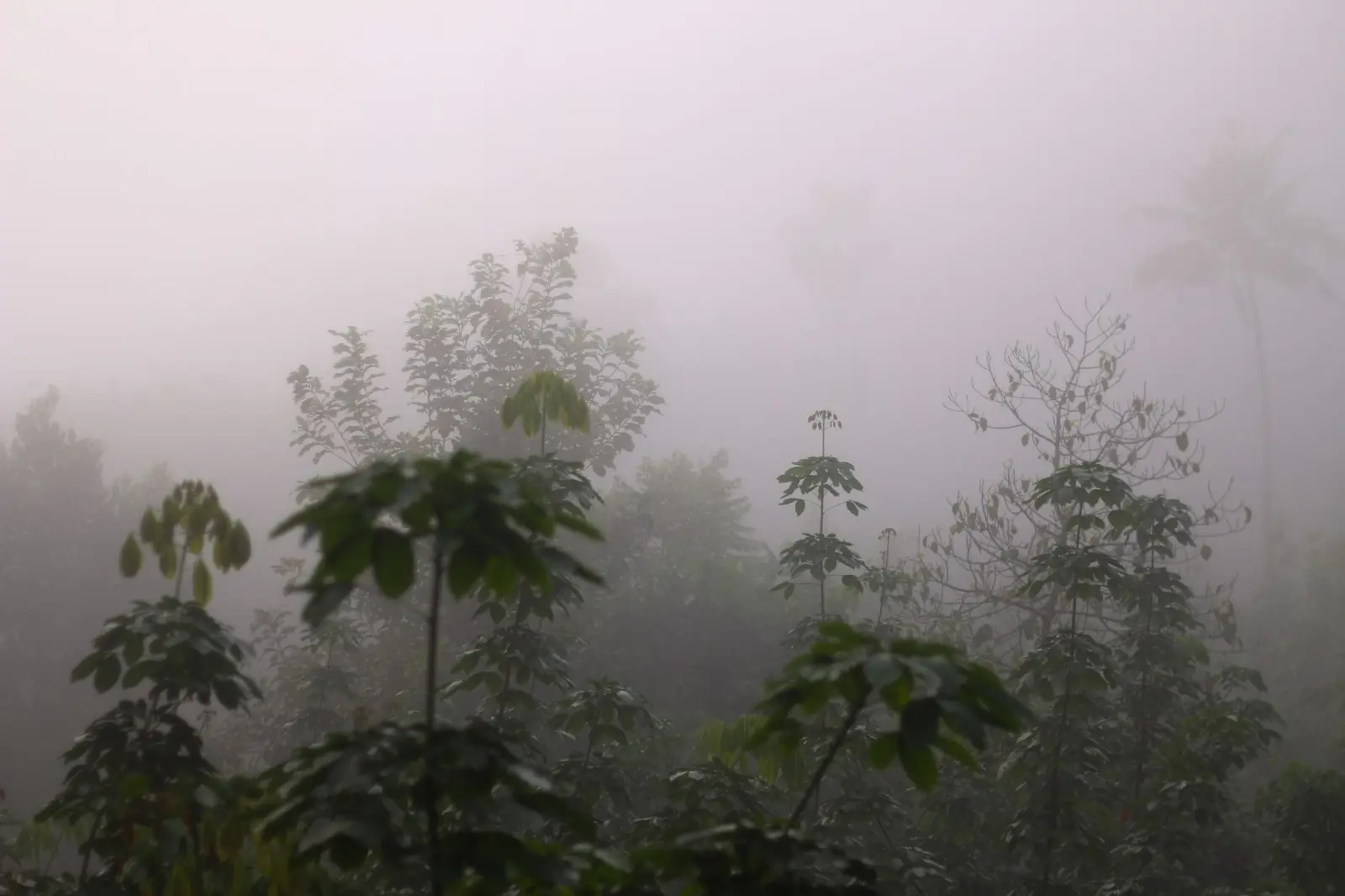
The rainforests here sit within a particular climatic zone where cloud cover and humidity are constants rather than exceptions. This shapes what you can realistically see and when. Early morning tends to offer the clearest views, though “clear” is relative – you’re often looking at mist rising through the canopy rather than panoramic vistas. Late afternoon light can be dramatic, but it also brings heavier cloud formation rolling in from the coast. Understanding these patterns helps you choose both which lookouts to visit and when to visit them.
Minyon Falls and the Nightcap Range
Minyon Falls is one of the most visited lookouts in the region, and for practical reasons rather than hype. The walk is manageable – roughly 2.5 kilometres return – and it descends steeply into a rainforest gorge where a 100-metre waterfall drops into a pool. The vantage point sits at the top of the falls, looking down into the chasm. What strikes most people is the sheer density of the forest and how the sound changes as you descend. The roar of the falls builds gradually, and by the time you reach the platform, you’re standing in a pocket of intense moisture and noise.
The challenge with Minyon is that it gets crowded, particularly on weekends and school holidays. The parking area fills early, and the walk itself becomes a procession. I’ve found that visiting on a weekday morning, ideally after rain, gives you a different experience entirely. The water volume increases dramatically, and fewer people means you can actually stand still and absorb the gorge rather than shuffling through. The walk down is steep enough that it demands attention – loose rocks and tree roots are constant, and the humidity can be draining if you’re not accustomed to it.
Nightcap National Park, which contains Minyon Falls, has several other vantage points worth considering. Protesters Falls is less visited and offers a different angle into the forest, though the walk is longer and less well-maintained. The payoff is solitude and a sense of moving through genuinely wild country rather than a managed tourist route.
Dorrigo and the Waterfall Circuit
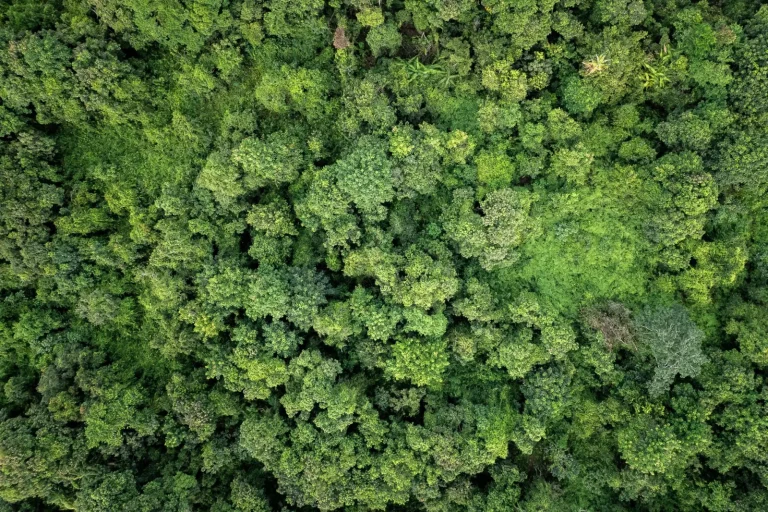
Dorrigo National Park sits further south and operates differently from Nightcap. The rainforest here feels older and more established, with massive trees and a more intricate understory. The main lookout at Dorrigo gives you a canopy-level view – you’re looking out across the treetops rather than down into a gorge. This matters because it changes what you actually see. On clear days, you get genuine distance and can make out the shape of the landscape. On overcast days, which is most days, you’re looking at layers of green fading into mist.
The Waterfall Circuit walk is the standard way to experience Dorrigo. It’s roughly 6 kilometres and passes through different forest types, eventually reaching two small waterfalls. The walk is well-formed and relatively easy, though it’s muddy after rain and can be slippery. The real value here is the transition through the forest rather than any single dramatic viewpoint. You move from drier forest at the top through progressively wetter, more lush vegetation as you descend. It’s a practical way to understand how rainforest structure changes with moisture and elevation.
What I’ve noticed is that people often rush through Dorrigo trying to hit the lookout and move on. The forest rewards slower movement. Stopping to listen, watching for movement in the canopy, and letting your eyes adjust to the light reveals far more than a quick walk past. The bird life is substantial, and if you’re patient, you’ll see far more than if you’re focused on completing the route.
Coffs Harbour Region Lookouts
The Coffs Harbour area has several less-heralded vantage points that offer genuine value. Muttonbird Island, technically not rainforest but adjacent to it, provides a coastal perspective on the broader landscape. The walk is short and the views are expansive, which makes it useful for orientation if you’re new to the region. From there, you can see how the rainforest sits relative to the coast and understand the geography in a way that ground-level walking doesn’t provide.
Sealy Lookout, accessed from the Dorrigo area, sits at a higher elevation and offers views across the escarpment. The drive to reach it is rough – high-clearance vehicles are genuinely necessary, not just recommended – and the final section requires careful navigation. The payoff is isolation and a perspective that feels genuinely remote. On clear days, you can see significant distance. On typical days, you’re in cloud, which has its own appeal if you’re prepared for it.
Practical Realities and Timing
The single most important factor I’ve learned is that these lookouts perform differently depending on season and recent weather. After prolonged rain, visibility often improves as the air clears, but access can become difficult. Mud accumulates on walking tracks, and some roads become impassable. Dry periods bring clearer skies but also higher temperatures and more people visiting.
The rainforest itself is most active in the warmer months, particularly November through March. This is when you’ll see and hear the most wildlife, but it’s also when humidity is highest and the forest feels most oppressive if you’re not adapted to it. Winter months bring clearer air and cooler temperatures, but reduced animal activity and sometimes lower water flows in the waterfalls.
Parking and access infrastructure varies significantly. Minyon Falls has adequate facilities. Dorrigo has a proper visitor centre. Smaller lookouts often have minimal parking and no services. Carrying water is essential – the humidity makes dehydration easy to overlook, and there’s no reliable water source on most walks. Insect repellent matters, particularly in warmer months, though the reputation for aggressive insects is somewhat overstated if you’re moving and not stationary.
The lookouts that deliver most consistently are those where you’re willing to arrive early, move slowly, and accept that the forest reveals itself gradually rather than dramatically. The ones that disappoint are typically visited by people expecting a specific aesthetic – a clear panorama, perfect light, solitude – without understanding that rainforest lookouts operate on the forest’s terms, not the visitor’s preferences. That’s not a flaw in the experience. It’s the actual experience.