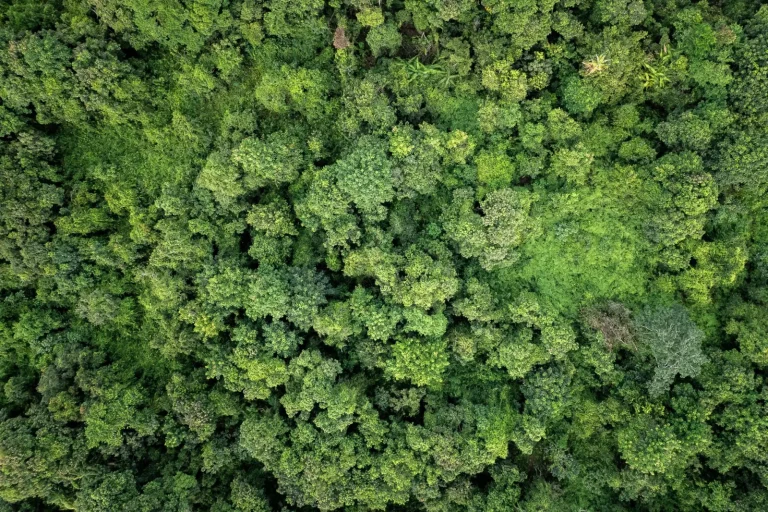
Big Scrub rainforest in northern New South Wales exists as a fragmented landscape now, nothing like the continuous canopy that once stretched across the region. What remains is scattered across several reserves and private properties, each with its own character and accessibility. After spending considerable time moving through these patches, I’ve found that understanding where to go depends less on what looks appealing on a map and more on what you’re actually prepared for – the terrain, the timing, and the realistic logistics of getting there.
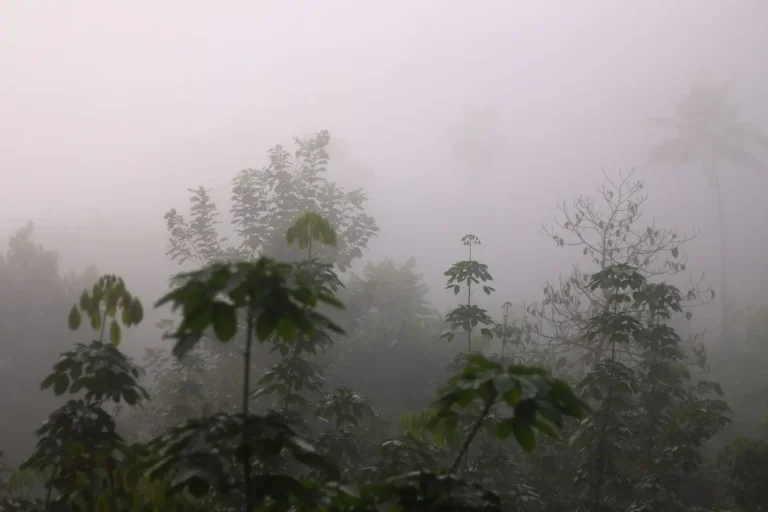
The forest itself is dense subtropical rainforest, the kind where visibility drops sharply once you’re under the canopy and the ground becomes a tangle of roots, fallen logs, and loose volcanic soil. It’s not the kind of place where you can move quickly or casually. The humidity sits heavy even in cooler months, and the canopy is thick enough that rain on the forest floor feels different from rain in open country – it comes down in drips and heavy drops rather than a steady sheet. This matters because it affects how you plan your time and what you bring with you.
Minyon Falls and the Nightcap Range
Minyon Falls is probably the most visited entry point to Big Scrub rainforest, and for practical reasons. The walk to the falls themselves is straightforward enough – roughly 10 kilometers return from the carpark near Minyon Scrub campground, mostly downhill on the way in. The falls are genuine: a 100-meter cascade dropping into a pool surrounded by rainforest that feels genuinely remote despite being accessible.
What catches most people off guard is the return journey. The elevation gain on the way back is real, and the track can be slippery even days after rain because the volcanic soil doesn’t drain well and tree roots create natural steps that become treacherous when wet. I’ve watched fit walkers struggle with this section in the afternoon heat. The best approach is to start early, spend limited time at the falls, and be back on the uphill section before midday heat sets in. The campground itself is basic but serviceable, and it’s worth staying overnight if you’re coming from a distance – the drive in is long enough that doing it as a day trip from the coast leaves you exhausted before you even start walking.
The surrounding Nightcap Range has other rainforest pockets worth exploring if you have time. Protesters Falls is another option, though the access is less developed and the track can be harder to follow. The advantage is fewer people and a different feel to the forest – more open understory in places, different bird activity. But it requires more attention to navigation and is better suited to people who’ve already walked in this type of forest.
Dorroughby and the Central Scrub Reserves
Dorroughby sits at the heart of what remains of Big Scrub, and several smaller reserves cluster around it. The town itself is tiny, but it’s become a loose hub for people interested in the rainforest. The Minyon Scrub Reserve near Dorroughby offers shorter walks than Minyon Falls – typically 3 to 5 kilometers – through genuine rainforest without the same elevation gain. These are better suited to people with limited time or those testing their tolerance for the forest environment before committing to longer walks.
The character of the forest here is noticeably different from the Nightcap area. The canopy is denser, the understory more crowded, and you’re more likely to encounter the particular wildlife of this region – brush turkeys, various frog species, and if you’re quiet and patient, occasional glimpses of rainforest birds that don’t appear in more open country. The soil is richer here too, which means more fungi, more decomposition activity, and a different smell to the forest. It’s the kind of detail that doesn’t matter until you’re actually in it, and then it becomes part of what makes the place distinct.
Seasonal Realities and Timing
The timing of your visit shapes the experience more than most people anticipate. Late autumn through early winter – roughly April through June – offers the most comfortable walking conditions. The humidity drops, the temperature is moderate, and while the forest is still wet, the ground is more stable than it is during or immediately after the wet season. This is when most serious walkers time their visits, and it shows in track conditions and carpark activity.
Summer visits are possible but come with real constraints. The humidity is oppressive, the ground is often waterlogged, and leeches become an active concern. Leech socks help but aren’t foolproof, and the psychological weight of constant vigilance affects how long you can comfortably spend in the forest. Spring can be equally problematic because recent rain leaves everything saturated and muddy. Winter itself is fine until heavy rain moves through, and then the tracks become genuinely hazardous – not just slippery but actively unstable in places where water runoff has carved channels into the path.
The dry season is short and unreliable. You might get a window of genuinely dry conditions for a few weeks, but planning a trip around it is risky. Most experienced walkers I know simply accept that Big Scrub rainforest walking involves mud, moisture, and slippery conditions as baseline expectations rather than problems to be solved.
Access and Practical Logistics
Getting to Big Scrub requires driving into rural northern NSW, and the roads are not highways. From the coast near Byron Bay, it’s roughly 90 minutes to two hours to reach the main access points. From further south or inland, it’s longer. This distance matters because it shapes whether you’re doing this as a day trip or an overnight expedition, and that decision cascades into what you can realistically accomplish.
Accommodation options range from basic camping at Minyon Scrub campground to small guesthouses in Dorroughby. The campground fills on weekends and during school holidays, so if you’re planning to stay overnight, booking ahead is essential. The town of Dorroughby has a few cafes and a general store, but it’s genuinely small – don’t expect restaurant options or services beyond basic supplies.
Vehicle access to different trailheads varies. Some carparks are sealed and well-maintained; others are rough gravel or dirt that can become impassable after heavy rain. If you’re driving a low-clearance vehicle, checking current conditions before heading out isn’t optional. I’ve seen people turn back after an hour’s drive because the final approach to a carpark was too rough for their vehicle, and there’s no cell service in most of the area to sort it out remotely.
What Makes Each Area Worth the Effort
The reason to visit Big Scrub at all isn’t novelty or convenience. It’s the forest itself – the sheer density of it, the particular species composition, and the sense of being in a genuinely old ecosystem. This rainforest type once covered a much larger area, and what remains is ecologically significant in ways that matter if you spend time paying attention to it. The bird calls are different here. The plant species are specific to this region. The soil structure and decomposition process feel different underfoot.
Different sections offer different experiences. Minyon Falls gives you the dramatic waterfall element and a clear destination. The central reserves around Dorroughby offer easier access to the core rainforest experience. The Nightcap Range offers solitude and more challenging terrain for people who want to move deeper into less-visited sections.
The practical reality is that Big Scrub rainforest isn’t a destination you visit casually. It requires time, planning around seasonal conditions, and acceptance that the forest will be muddy, humid, and demanding. But if you’re willing to meet those conditions, it offers something genuinely distinct from other rainforest experiences in Australia – a subtropical forest type that’s increasingly rare and worth understanding in person rather than through photographs or descriptions.