The dry rainforests of eastern Australia exist in a peculiar ecological middle ground that confuses most visitors. They’re not the lush, dripping tropical forests people expect, nor are they the sparse, open woodlands visible from highways. After spending considerable time moving through these pockets – mainly across inland Queensland and northern New South Wales – I’ve come to understand them as something more specific: subtropical forests that have adapted to lower rainfall and more pronounced dry seasons than their tropical counterparts, yet remain structurally complex and botanically distinct from surrounding eucalypt woodland.
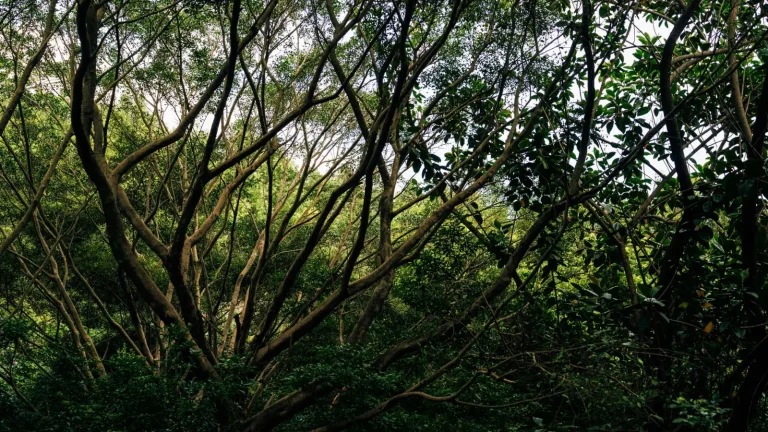
What strikes you first when actually walking into one is the density. The canopy closes overhead in a way that feels sudden after the open country outside. The light changes noticeably. You lose the sense of vast space that characterizes so much of inland eastern Australia. The air often feels different too – slightly cooler, with a different quality of humidity even during dry periods. This isn’t imagination. The forest floor, thick with leaf litter and fallen branches, retains moisture that the surrounding landscape simply doesn’t. Trees stand closer together than in eucalypt forests, and the understory – the layer between ground and canopy – is far more developed than most people anticipate.
Where They Occur and Why Access Matters
These forests are scattered, not continuous. The largest remnants cluster around the Great Dividing Range in Queensland – places like Lamington National Park, the Border Ranges, and sections of the Macpherson Range. Smaller patches exist further north toward Townsville and inland toward the tablelands. New South Wales has significant areas in the far north near the Queensland border. The fragmentation is the key fact. You can’t simply drive into one and explore for hours. Most accessible patches occupy national parks or nature reserves, and even then, the walking tracks tend to be shorter than visitors expect – typically ranging from 2 to 6 kilometers for well-maintained routes.
Access typically requires some planning. Many of these areas sit 1.5 to 3 hours inland from coastal towns. The roads are often narrow and winding, particularly in Queensland’s border country. During wet season (roughly November to March), some forest tracks become genuinely difficult to navigate. I’ve seen visitors arrive expecting to spend a full day exploring and realize within an hour that the terrain, combined with the confusing topography, makes extended wandering impractical. The forest floor is uneven – roots, rocks, and fallen timber create constant minor obstacles. It’s not dangerous, but it’s slower going than walking in open country, and fatigue accumulates faster than people anticipate.
The Seasonal Reality
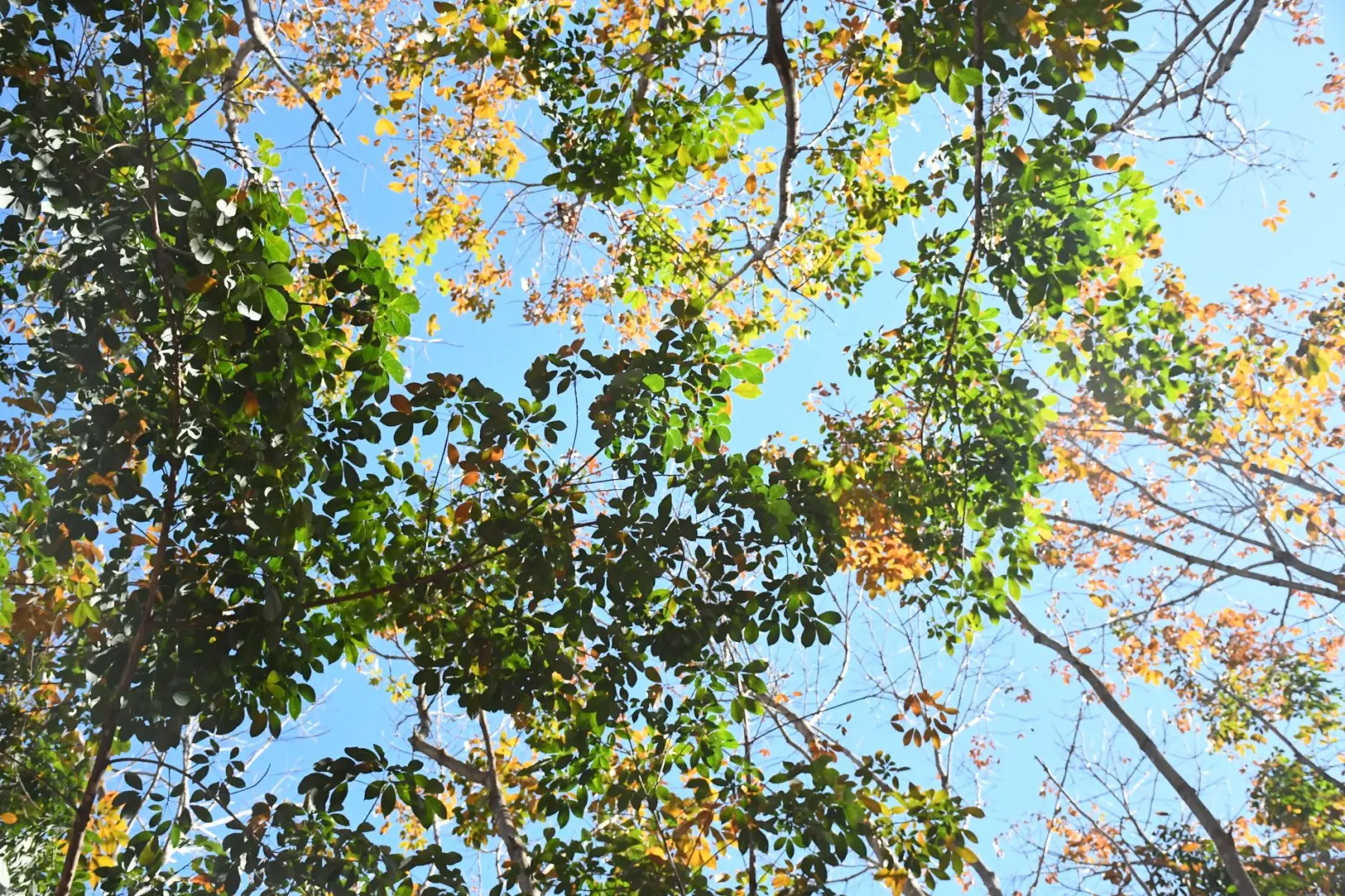
Timing your visit matters significantly, though not always in the way people assume. The “dry season” (May to September) is generally the best window for visiting. The tracks are drier, insects are less aggressive, and the heat is more manageable. Temperatures during this period typically range from 15 to 25 degrees Celsius during daylight, depending on altitude and specific location. However, the forest itself looks different. Many trees shed leaves during the drier months, and the understory becomes more visible. The dramatic green density that appears in brochures tends to occur during and just after the wet season, when everything is actively growing.
The wet season brings genuine challenges. Not just rainfall, but the resulting humidity, insect activity, and slippery conditions. I’ve worked through these forests in January and February, and the difference from the dry season is substantial. Leeches become active. Mosquitoes are relentless. The air feels heavy in a way that makes even moderate exertion feel more taxing. Tracks that are straightforward in July become genuinely treacherous in February. Several of the more remote walking routes are officially closed or not maintained during this period, which tells you something about the practical realities.
What You Actually See
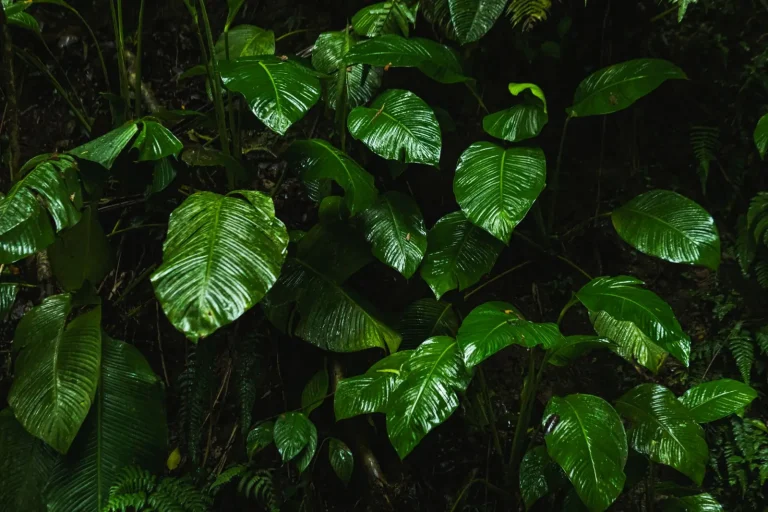
The vegetation composition varies between different dry rainforest pockets, but certain patterns recur. You’ll encounter strangler figs – these are common and visually distinctive, with their characteristic aerial roots creating cage-like structures around host trees. There are palms, including several species of fan palms that grow nowhere else. Cycads appear in some areas. The canopy trees include species like Australian red cedar, which is prized timber and historically rare due to logging. Orchids grow on trees and rocks, though spotting them requires attention and, often, a bit of luck with timing. Vines and climbing plants are far more abundant than in eucalypt forests, creating the sense of structural complexity that defines these spaces.
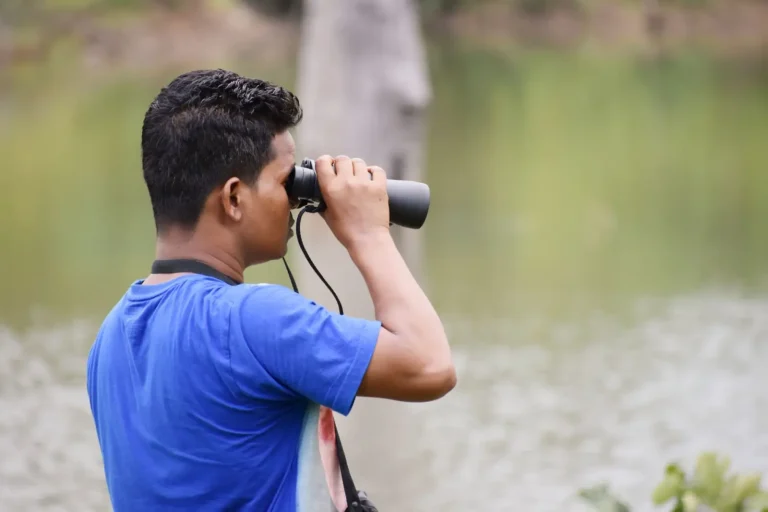
The fauna is less obvious than the vegetation. You may encounter wallabies and pademelons, particularly in early morning or late afternoon. Lyrebirds are present in several areas and occasionally heard, though seeing one is less common than hearing about them. Various reptile species inhabit these forests, and while encounters are rare, they do occur. Birdlife is active, particularly in the canopy, but identifying species requires patience and often binoculars. Insects are abundant – beetles, spiders, and numerous other invertebrates form the actual foundation of these ecosystems, though they rarely feature in visitor experience unless you’re actively looking.
The Practical Visitor Experience
Most people spend 2 to 4 hours in these forests during a visit. A typical pattern involves driving to a trailhead, walking a maintained track for 1 to 2 hours, and returning. This timeframe is realistic and appropriate. Attempting longer explorations often leads to fatigue, disorientation, or frustration with the terrain. The tracks, while generally well-marked in national parks, wind through complex topography. It’s easy to lose your sense of direction, even with good visibility. Carrying water is essential – the forest may feel humid, but the canopy closes off wind, and you can become dehydrated without realizing it.
Photography in these forests presents specific challenges. The canopy filters light in ways that make photography difficult without specialized equipment. The understory is often dim, and the complex layering of vegetation creates visual confusion in photos that didn’t exist to the naked eye. Many visitors find that their photographs don’t capture what they experienced. This is normal and worth accepting rather than fighting against.
The experience of being in a dry rainforest is genuinely different from other Australian landscapes. It’s quieter than you might expect, more structurally complex, and often smaller in scale than the vast open spaces that characterize most of inland eastern Australia. It’s not a place to rush through or to expect dramatic vistas. It rewards slower movement, attention to detail, and realistic expectations about what you can accomplish in a few hours. The value lies in the specificity of the place – the particular combination of vegetation, light, and atmosphere that exists nowhere else in Australia.