After spending time moving through both dry and wet rainforests across different continents, the differences become impossible to ignore. They’re not just variations on the same theme. The distinction runs through everything – the density of the canopy, how sound travels, what animals you encounter, and how physically demanding the terrain becomes. Most people assume “rainforest” means a uniform wall of green, but that’s where the confusion starts.
The foundational difference is straightforward: rainfall volume and distribution. Wet rainforests receive consistent precipitation year-round, often 80 to 400 inches annually, with no genuine dry season. Dry rainforests, by contrast, experience a pronounced dry season lasting several months, receiving 50 to 100 inches per year. That gap in precipitation isn’t academic – it determines which plants can survive, how thick the vegetation grows, and whether you can actually move through the forest without machete work every few meters.
What strikes you first when walking into a wet rainforest is the sheer density of the understory. The air feels thick not just from humidity but from the sheer volume of vegetation at every level. Vines hang everywhere. The ground is often soft, sometimes waterlogged. Visibility rarely extends more than 20 or 30 feet ahead. The canopy is so dense that midday feels like early evening. In a dry rainforest, you can actually see further. The understory is more open. Sunlight reaches the forest floor in patches. You can walk without constantly ducking or pushing vegetation aside.
Canopy Structure and Light Penetration
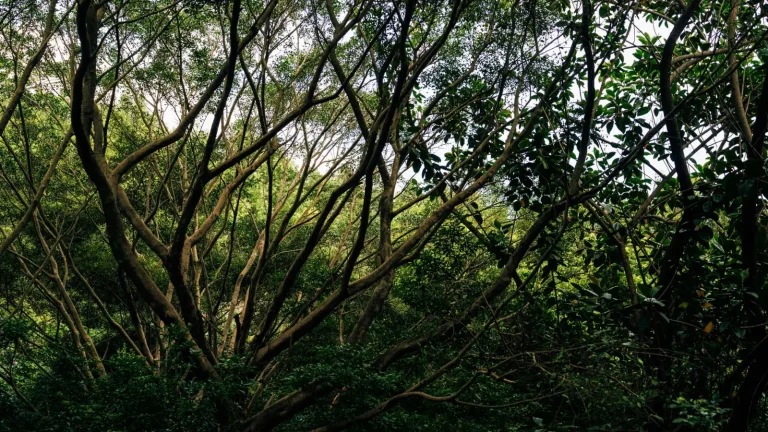
The wet rainforest canopy is a multi-layered fortress. There’s often an emergent layer of the tallest trees, then a closed canopy beneath that, then an understory, and a dense shrub layer. Each level intercepts light before it reaches the next. This creates the perpetual twilight that characterizes wet rainforests. Photosynthesis happens in layers, and competition for light drives vertical growth rather than horizontal spread.
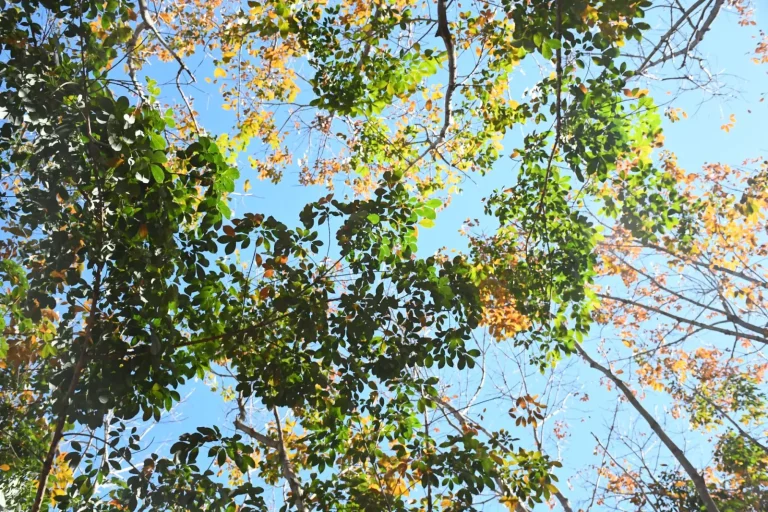
Dry rainforests have a more open canopy structure. The trees are often shorter and less densely packed. More light reaches the forest floor, which means more herbaceous plants, more visible ground vegetation, and sometimes even patches of grass. The forest feels airier. You notice this immediately – it’s less claustrophobic. The canopy gaps are larger and more frequent, so you see sky more often than in a wet rainforest.
Vegetation Adaptation and Leaf Characteristics
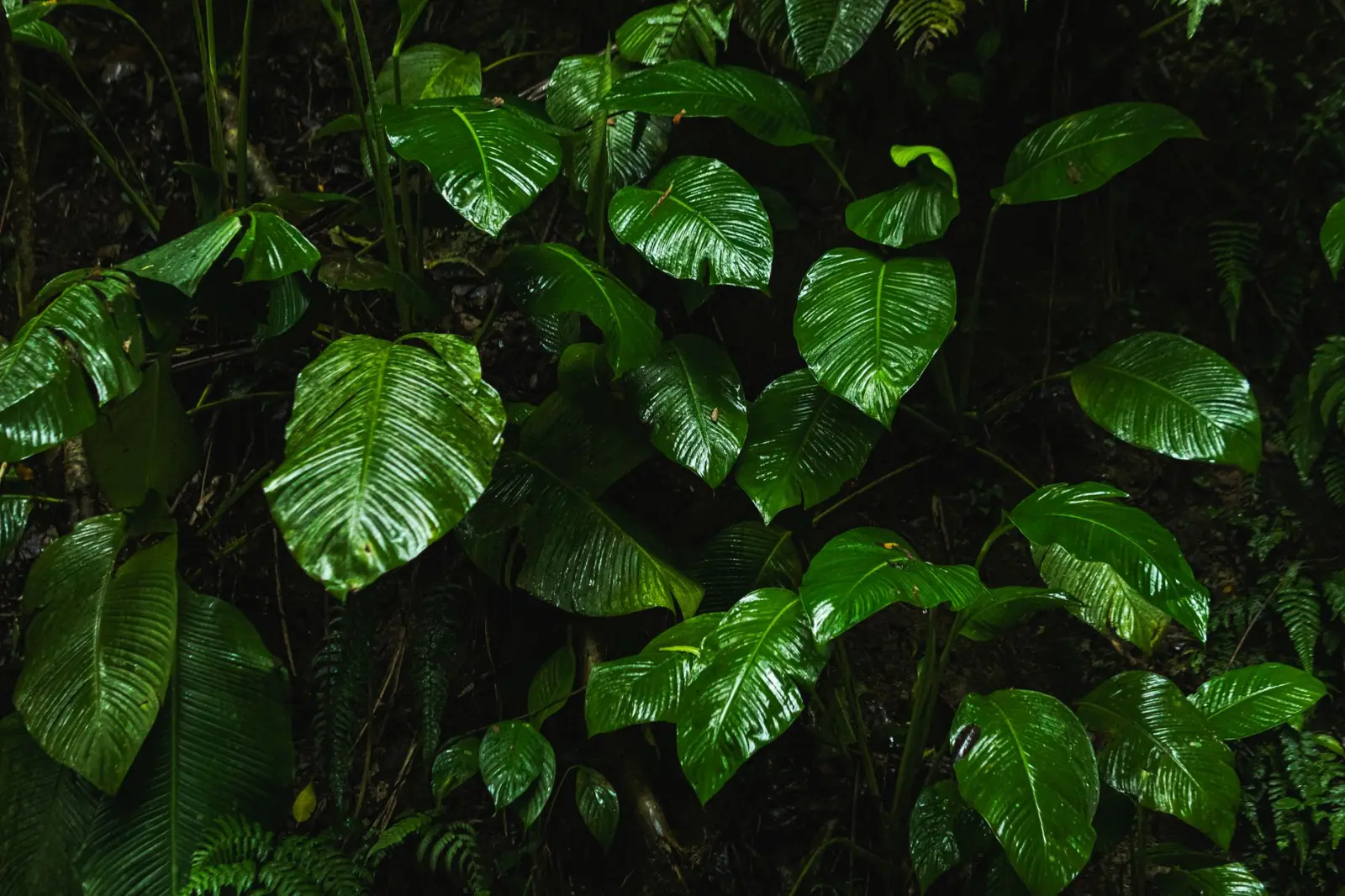
The plants themselves look different. Wet rainforest vegetation tends toward large, thin leaves. This makes sense: there’s abundant water, so plants don’t need to conserve it. Large leaves maximize light capture in the dim understory. Many plants have drip tips on their leaves – pointed ends that shed water quickly, which prevents fungal growth in the constant moisture.
Dry rainforest plants are smaller-leaved and often have tougher, waxy leaf surfaces. Some trees are semi-deciduous, dropping leaves during the dry season to conserve water. You see more visible adaptation to water stress. The plants look more compact, less lush. There’s less moss and lichen covering the trees because there’s less moisture to support them. The overall impression is of a forest that’s working harder to survive.
Wildlife Patterns and Visibility
Animal behavior differs significantly between the two. In wet rainforests, much of the fauna is arboreal because the ground is often waterlogged or flooded. You hear animals more than you see them – the dense vegetation makes visual encounters rare. Frogs and insects dominate the soundscape. Large mammals are present but elusive. The biodiversity is staggering, but most of it remains hidden.
Dry rainforests have more ground-dwelling animals. You’re more likely to encounter mammals on trails because the understory is open enough for them to move. Visibility is better, so you actually see wildlife more frequently. The species composition is different too – dry rainforests often have more large herbivores adapted to seasonal feeding patterns. You might see coatis, peccaries, or deer in a dry rainforest; in a wet rainforest, you hear them but rarely see them.
Insect activity shifts with moisture levels. Wet rainforests support massive insect populations, particularly in the canopy and mid-story. Mosquitoes and biting insects are generally more abundant. Dry rainforests have insects too, but the drier air means fewer midges and some reduction in mosquito density during the dry season. Neither is insect-free, but the experience differs.
Practical Travel Considerations
From a traveler’s perspective, the physical demands vary. Wet rainforests are exhausting. The humidity is relentless. Trails are often muddy or waterlogged. Every step requires attention to footing. Gear gets damp constantly. Visibility is poor, so navigation takes concentration. The sensory experience is intense but can feel monotonous – everything looks similar in the dim light.
Dry rainforests are often easier to traverse, especially during the dry season. Trails dry out. You can see where you’re going. The air feels less oppressive. But the dry season brings its own challenges: dust, higher temperatures during the day, and reduced water availability. The forest can feel more open and less “rainforest-like” to travelers expecting dense vegetation.
Seasonal timing matters enormously in dry rainforests. Visit during the wet season and the forest transforms – trails become difficult, visibility drops, and the experience approaches that of a wet rainforest. Visit during the dry season and you get a different ecosystem entirely. Wet rainforests remain relatively consistent year-round, though accessibility varies with local flooding patterns.
Biodiversity and Species Composition
Both ecosystems are biodiverse, but the composition differs. Wet rainforests tend to have higher overall species counts, particularly for plants and small organisms. The stable, wet conditions support specialized species found nowhere else. Dry rainforests have lower overall diversity but often include species found in adjacent dry forests or savanna-like habitats. There’s more overlap with non-rainforest ecosystems.
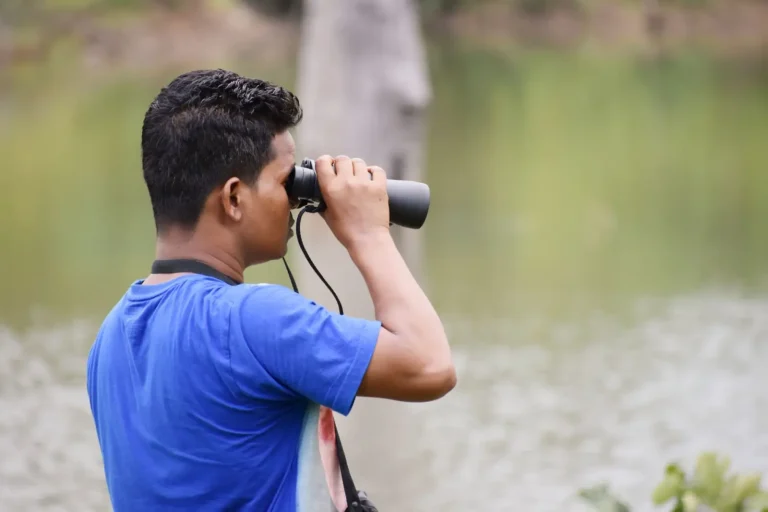
This matters for travelers interested in wildlife. A wet rainforest might have 200 bird species, but you’ll hear more than you see. A dry rainforest might have 120 bird species, but you’ll actually observe them. The experience of biodiversity is different from the fact of biodiversity. Dry rainforests often reward patient observation more directly because visibility is better and animals move through more open space.
Endemism – species found nowhere else – is typically higher in wet rainforests. The stable conditions and isolation create specialized niches. Dry rainforests have endemics too, but they’re often shared with adjacent habitat types. For a researcher or serious naturalist, the distinction matters. For a casual traveler, the practical difference is that wet rainforests feel more alien and unique, while dry rainforests feel more connected to surrounding landscapes.
The distinction between these two systems isn’t trivial or academic. It shapes every aspect of what you encounter – from the moment you enter until you leave. Understanding which type you’re visiting changes expectations, preparation, and how you interpret what you see. The wet rainforest is a fortress of vegetation and moisture. The dry rainforest is a forest adapted to scarcity. Both are rainforests, but they operate by different rules.