After spending years observing fire behavior across different forest types in Australia and Southeast Asia, the contrast between rainforest and eucalypt forest fire ecology becomes impossible to ignore. These are not simply two versions of the same system with minor variations. They operate under fundamentally different rules, shaped by moisture, fuel structure, and evolutionary history. The way fire moves through a rainforest bears almost no resemblance to how it tears through a eucalypt stand, and the reasons run deeper than surface fuel loads or tree species.
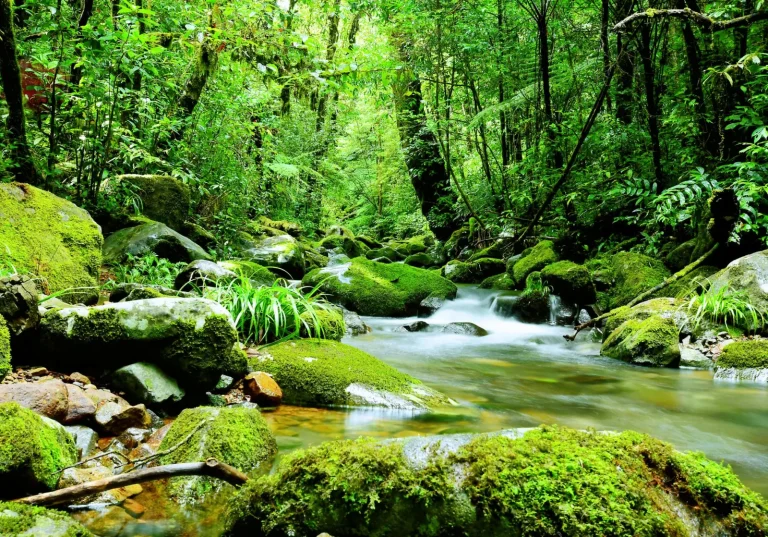
The most obvious difference lies in moisture content. Rainforests maintain high humidity year-round, even during dry seasons. The dense canopy traps moisture, and the thick leaf litter on the forest floor stays damp because sunlight rarely penetrates to dry it out. I have walked into rainforests after weeks without rain and found the ground still moist beneath the surface layer. This moisture acts as a natural fire suppressant. Eucalypt forests, by contrast, experience genuine dry seasons where both the canopy and understory dry out significantly. The bark of eucalypts sheds in papery strips that accumulate as tinder. The leaves are oil-rich and flammable. The whole system is primed for fire in ways a rainforest simply is not.
Fuel Structure and Fire Propagation
The physical arrangement of fuel in these two forest types creates entirely different fire dynamics. Rainforests have a complex, multi-layered structure with numerous smaller trees, vines, and dense understory vegetation. This creates what ecologists call high fuel continuity vertically, but the moisture content and green biomass mean fires struggle to climb into the canopy. When fire does occur in rainforest, it typically moves slowly along the forest floor, consuming damp leaf litter and rotting wood. The fire may smolder for days rather than racing through the landscape.
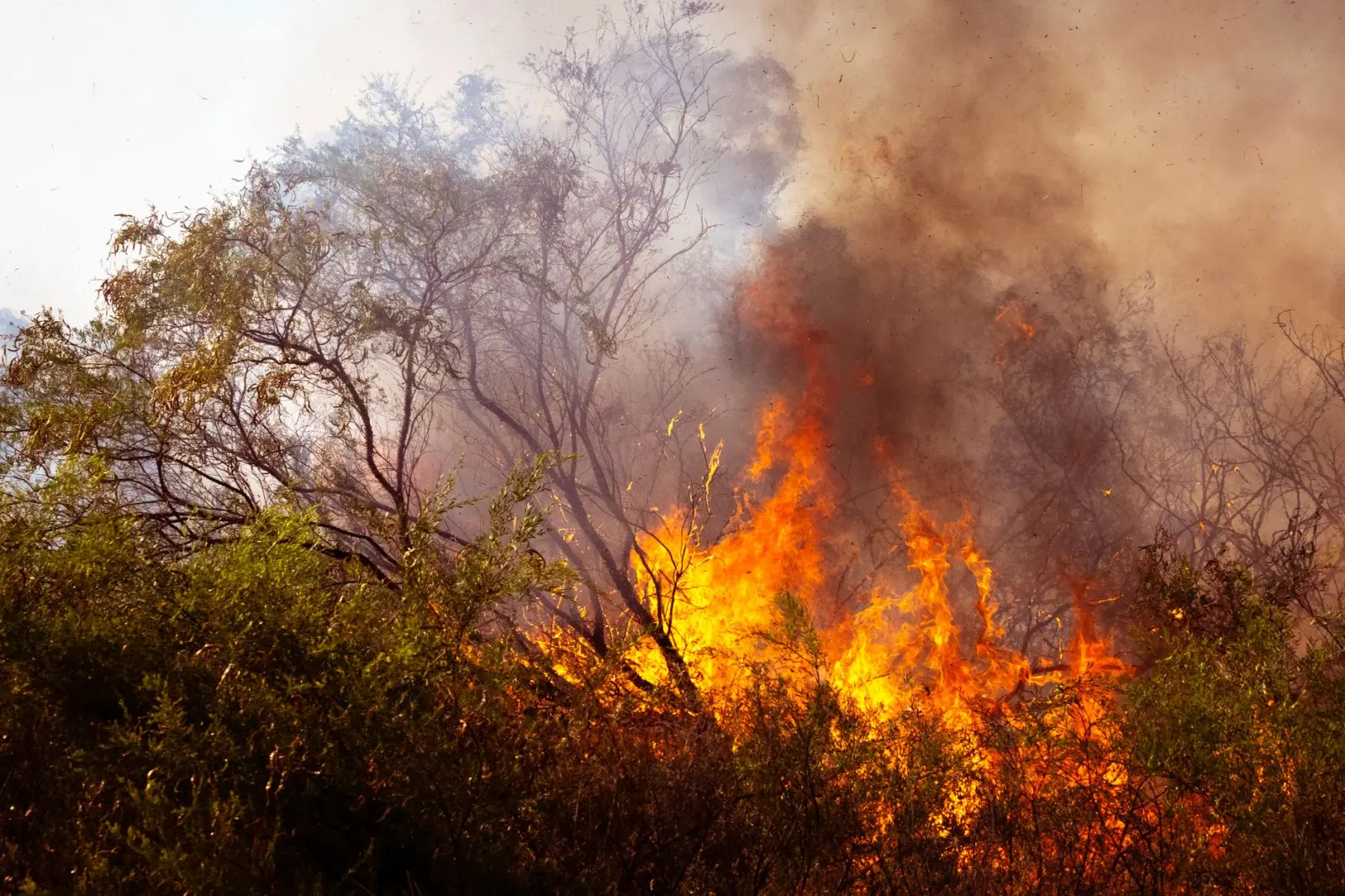
Eucalypt forests present the opposite scenario. The understory is often relatively open, with grass and shrubs rather than dense woody vegetation. This creates gaps in vertical fuel continuity, which might seem like it would slow fire spread. However, eucalypt fires compensate by moving rapidly along the ground and then exploding into the canopy with intense heat. The oils in eucalypt leaves vaporize and ignite, creating what fire behavior specialists call active crown fire. I have observed eucalypt fires that advanced several kilometers in a single day, while equivalent rainforest fires might cover a fraction of that distance in the same timeframe.
The heat intensity differs markedly. Rainforest fires, when they do occur, tend to be cooler and slower-moving. They consume organic matter but rarely generate the extreme temperatures that eucalypt fires produce. A eucalypt fire can reach temperatures that kill trees outright and sterilize soil. A rainforest fire is more likely to scorch and damage without completely destroying the forest structure. This difference in intensity has profound ecological consequences for how quickly forests recover and what species can reestablish.
Evolutionary Adaptation and Fire Frequency
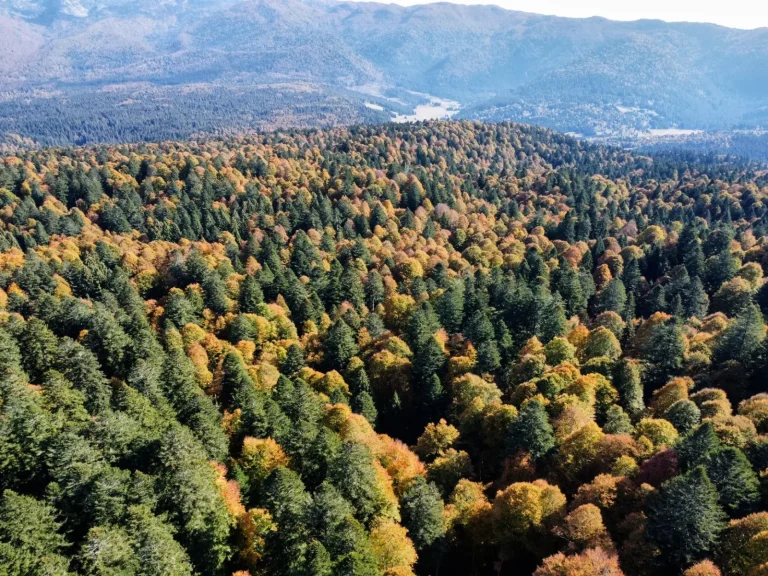
The frequency of fire shapes how these ecosystems have evolved. Eucalypt forests in Australia evolved under a regime of regular, sometimes frequent fires. Many eucalypt species have thick, insulating bark that protects the living tissue beneath. Some eucalypts actually require fire to open their seed pods. The entire reproductive strategy of many eucalypt species assumes fire will arrive periodically. Rainforests, particularly tropical rainforests, evolved in an environment where fire was extremely rare. Many rainforest trees have thin bark, dense wood, and no adaptations to survive fire. When fire does reach a rainforest, it is often catastrophic for individual trees and can fundamentally alter the forest composition.
This evolutionary difference means that a fire of equivalent intensity would have radically different outcomes in each forest type. A moderate eucalypt fire might kill some trees but leave many alive, with seeds primed to germinate in the ash. The same fire intensity in a rainforest could eliminate decades or centuries of forest development. I have seen rainforests recover from fire, but the process is slow and the resulting forest is often different from what preceded it, sometimes dominated by pioneer species rather than the original mix of shade-tolerant species.
Moisture Dynamics and Fire Suppression
The way moisture behaves during fire seasons reveals another critical difference. In eucalypt forests, the dry season creates a genuine window where fuel moisture drops low enough for fire to spread rapidly. Once ignition occurs, the fire can sustain itself through this dry period. Rainforests rarely experience conditions where fuel moisture drops to critical levels across the entire forest. Even in the driest rainforest months, pockets of moisture remain. This is why rainforest fires, when they do occur, are often associated with extreme drought conditions or human-caused ignition in already-disturbed areas.
The recovery of moisture after fire also differs. Eucalypt forests may remain fire-prone for years after a major fire, with dead wood providing fuel for subsequent fires. Rainforests typically regain moisture quickly once the fire passes, and the surviving vegetation and soil moisture help suppress subsequent fires. This creates a self-reinforcing cycle in each system. Eucalypt forests can experience repeated fires with relatively short intervals between them. Rainforests tend toward long fire-free periods interrupted by rare, intense events.
Practical Implications for Fire Management
Understanding these differences matters for anyone involved in land management or fire response. Suppression strategies that work in eucalypt forests often prove ineffective in rainforests, not because of poor execution but because the fire behavior is fundamentally different. A eucalypt fire moving through dry grass and open understory can be outrun and flanked. A rainforest fire, moving slowly through dense wet vegetation, requires different tactics. Similarly, prescribed burning, a common management tool in eucalypt forests, is rarely appropriate in rainforests because rainforests lack the evolutionary adaptation to benefit from fire and the risk of unintended damage is high.
The moisture gradient between these systems also means that fire risk assessment requires different thresholds. A eucalypt forest might be considered high-risk when fuel moisture drops below a certain percentage. A rainforest might never reach that threshold under normal conditions. Climate change is shifting these dynamics, with some rainforests experiencing drier conditions and increased fire risk, but the underlying structural and evolutionary differences remain. A rainforest does not simply become a eucalypt forest when it gets drier. It becomes a rainforest under stress, which creates different fire behavior patterns and different ecological outcomes than fire in an adapted eucalypt system.