
Promised Land State Park sits in the northeastern corner of Pennsylvania, and its forests have a particular character that doesn’t announce itself until you’re actually moving through them. The trails wind through old-growth hemlock and mixed hardwood stands, and the experience of walking through them is quieter and more physically demanding than most people anticipate. I’ve spent enough time on these paths to recognize the patterns – the sections where people turn back, where fatigue sets in, and where the forest’s actual conditions diverge sharply from what the park maps suggest.
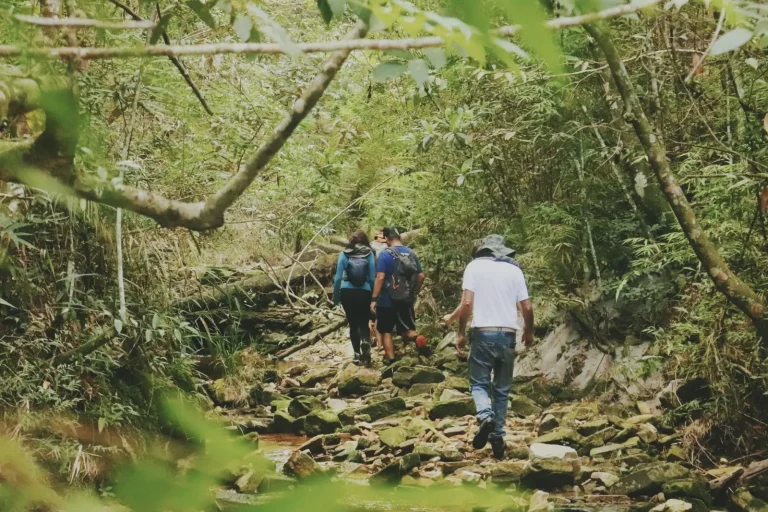
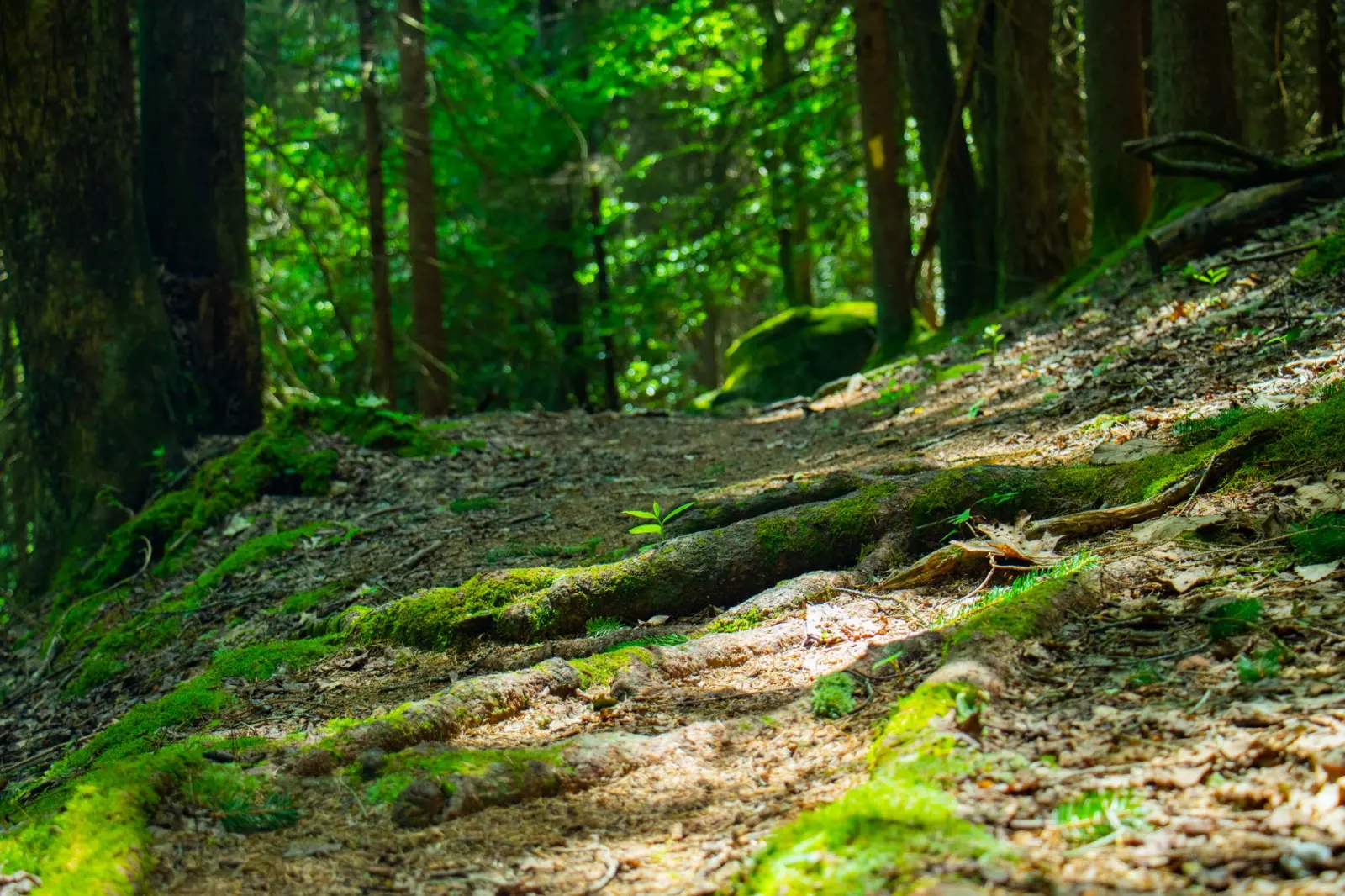
The forest floor here is uneven in a way that requires constant attention. It’s not dramatic – there are no cliff edges or technical scrambles – but the ground beneath your feet never settles into a predictable rhythm. Roots snake across the trail, rocks shift underfoot, and the inclines are rarely steep enough to feel like a real climb, yet they accumulate in ways that wear on your legs over time. This is the kind of terrain that doesn’t exhaust you through intensity but through the small, persistent demands it makes on your ankles, knees, and hip flexors. By mile three or four, people often report a fatigue that feels disproportionate to the distance, and that’s because the trail is working your stabilizer muscles constantly, not just your primary movers.
The Moisture and the Canopy
The hemlock canopy creates a persistent damp environment. Even on dry days, the forest floor retains moisture because the dense overhead coverage prevents direct sunlight from reaching the ground for most of the day. This means the trail stays muddy or at least slick in sections that might otherwise dry out. The mud here isn’t the thick, boot-grabbing kind you find in open areas – it’s a slippery, almost greasy consistency that makes footing uncertain. I’ve seen people slip on what looked like solid ground simply because the moisture had created a thin layer of reduced friction. Proper footwear matters more than people realize, and shoes with genuine tread grip better than the minimalist soles that work fine on drier terrain.
The canopy also affects your sense of time and distance. The light stays relatively constant throughout the day – dim in the morning, slightly less dim at midday, then dim again by afternoon. This plays tricks on your perception of how long you’ve been walking. People often underestimate how far they’ve come because the visual monotony of the forest doesn’t provide the usual landmarks that help you gauge progress. A trail that should feel like it’s taken ninety minutes sometimes feels like two hours, and the psychological weight of that discrepancy can accelerate fatigue.
Timing and the Reality of Daylight
If you’re walking these trails in late fall or winter, you need to be honest about daylight hours. The sun sets early, and the forest gets dark quickly once it does. The canopy accelerates this process – you lose usable light maybe thirty minutes before sunset actually occurs. I’ve watched people start trails at what they thought was a reasonable afternoon time, only to find themselves navigating by phone flashlight while still a mile from the parking area. It’s not dangerous if you’re prepared, but it’s uncomfortable and it shifts the entire experience from pleasant to stressful.
Spring and early summer offer more forgiving daylight, but they bring a different problem: insects. The moisture and dense vegetation create ideal conditions for blackflies and mosquitoes. There’s a narrow window – usually mid-June through early July – when the insect pressure is manageable. Before that, particularly in May, the blackflies can be relentless enough to make the experience genuinely unpleasant. This is worth factoring into your planning, because insect pressure changes your pace, your mood, and your willingness to stop and take in the surroundings.
Water and Navigation
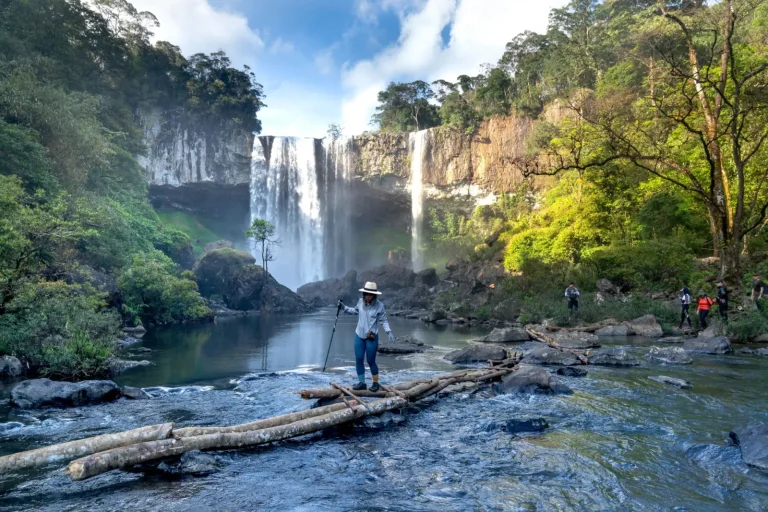
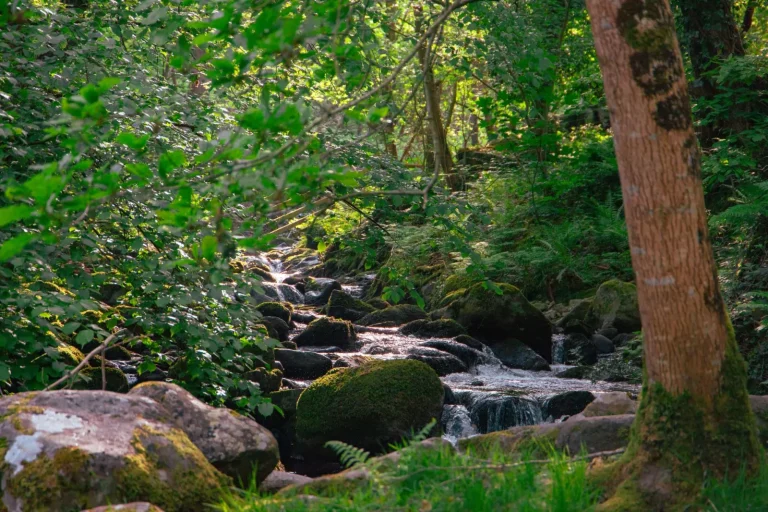
Promised Land has several small lakes and streams, and the trails cross water features regularly. The bridges and boardwalks are generally maintained, but they can be slick, and the approach and departure from water crossings tend to be the muddiest sections of the trail. People often slow down here, and rightfully so. The combination of moisture, exposed roots, and the slight grade change creates a genuine risk of twisted ankles. I’ve seen more people need assistance at water crossings than anywhere else on the trail system.
Navigation is straightforward if you’re paying attention, but the forest’s sameness can create disorientation. The trail markings are adequate, but if you’re lost in thought or moving quickly, it’s easy to miss a turn. The consequence isn’t serious – you’ll realize the error within a few hundred yards – but it adds frustration and unnecessary distance to your day. Carrying a map or having a downloaded trail file on your phone isn’t overkill; it’s the baseline for moving through here with confidence.
The actual walking through Promised Land’s forests is meditative if you’re prepared for what it demands. The quiet is genuine – you’ll hear birds, wind in the canopy, and the sound of your own footsteps. But that quiet comes with physical demands that sneak up on you if you’re not attentive to terrain, weather, and daylight. Most people who struggle here aren’t dealing with a trail that’s too difficult; they’re dealing with a trail that requires more respect for logistics and conditions than they anticipated. That’s the real lesson these forests teach.