The forests that rise inland from the Central Coast have a particular character that doesn’t translate well into trail guides or tourism websites. After spending considerable time moving through these woods – across seasons, in different weather, at various times of day – certain patterns emerge that shape how the experience actually unfolds. The hinterland isn’t dramatic or remote in the way mountain ranges are, but it has its own logic, and understanding that logic makes the difference between a walk that feels manageable and one that leaves you frustrated or tired in ways you didn’t anticipate.
What strikes most people first is the density. The canopy closes in quickly once you leave the coastal fringe, and the understory fills with layers of vegetation that seem to absorb sound and light simultaneously. This isn’t wilderness in the alpine sense. It’s working forest, regenerating forest, and in many places forest that’s been logged and is reclaiming itself. The mix creates an environment that feels enclosed even when you’re on a clear path. The humidity sits differently here than it does at sea level – it doesn’t feel like ocean moisture so much as trapped warmth and moisture held within the vegetation itself. On warm days, this becomes noticeable within the first 20 minutes of walking.
Terrain and Surface Conditions
The ground underfoot varies significantly depending on where you are and what time of year it is. In drier periods, many trails become hard-packed and relatively straightforward. But the hinterland receives substantial rainfall, and when it does, the soil composition reveals itself. Much of the area sits on clay-based substrates with pockets of sandstone. Clay holds water, and it becomes slippery in ways that aren’t immediately obvious. A trail that seemed fine in the morning can be treacherous by afternoon if rain has passed through. The slipperiness isn’t consistent either – some sections drain reasonably well, while others become genuinely hazardous underfoot.
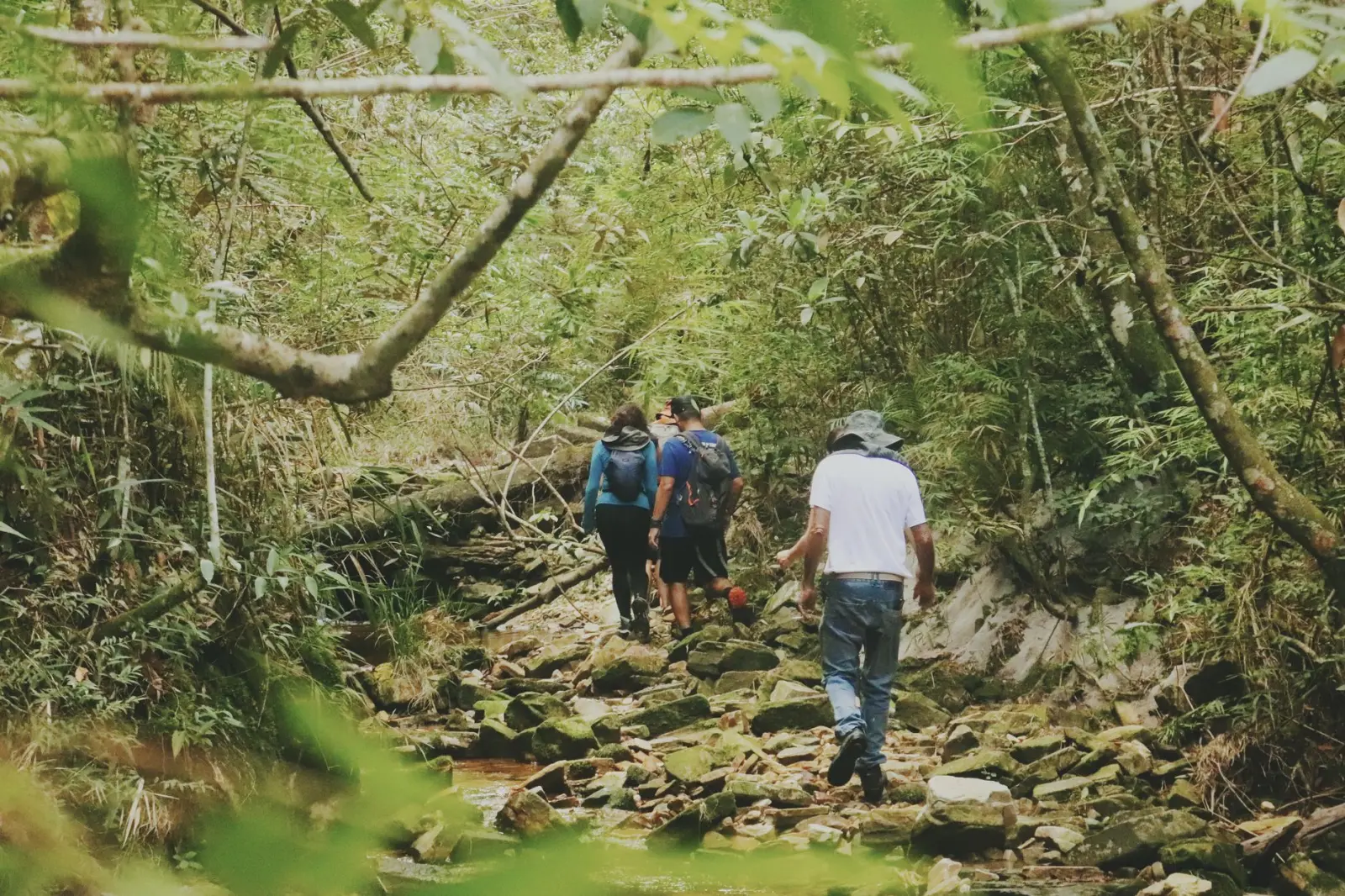
Fallen timber is constant. This isn’t the dramatic deadfall you might encounter in old-growth forests, but rather the steady accumulation of branches, smaller trees, and woody debris that comes from an active, regenerating forest. Some trails are maintained regularly and these obstacles are cleared. Others are less frequently worked, and you find yourself stepping over or around wood almost continuously. This isn’t dangerous, but it does slow your pace and requires attention. Your legs tire differently when you’re not moving in a straight line, when there’s a constant minor adjustment to your footing.
Root systems are extensive and often visible. Many trails follow natural drainage lines or ridge tops where erosion has exposed the root network of established trees. These create natural steps in some places, but they’re uneven and require deliberate foot placement. This is where people tend to roll ankles or catch their foot unexpectedly. The roots themselves aren’t the problem – it’s the assumption that you can maintain a steady rhythm. You can’t, and accepting that early in a walk prevents the frustration that builds when you’re expecting a different kind of trail.
Water and Drainage
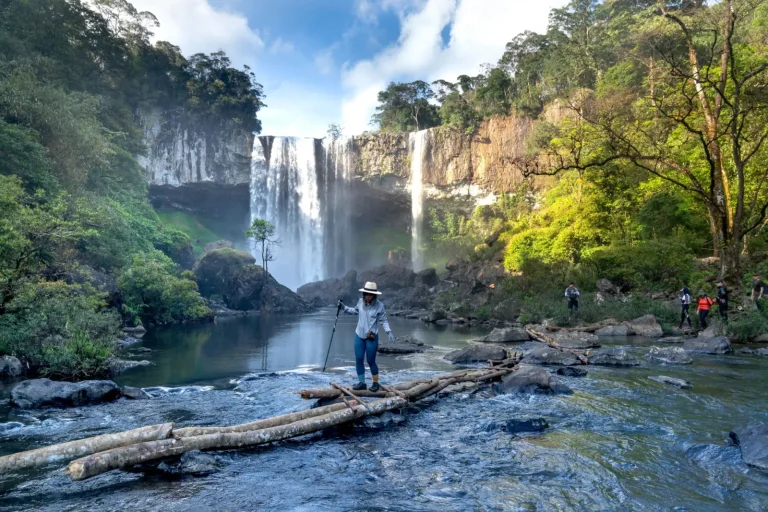
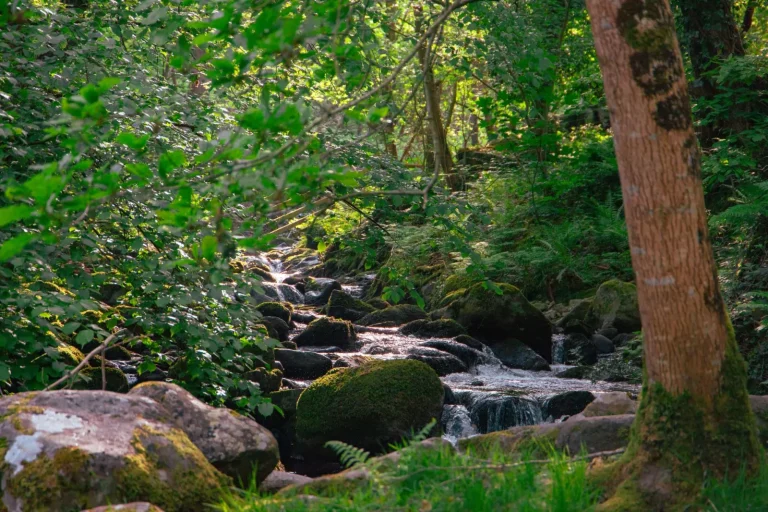
Creeks and water crossings punctuate most hinterland walks. During dry periods, many are reduced to a trickle or dry entirely. But the landscape is structured around water movement, and the gullies remain even when they’re not flowing. After rain, these transform quickly. I’ve seen crossings that were ankle-deep become thigh-deep within hours of heavy rainfall in the catchment above. The water moves fast and carries debris – branches, leaves, and sediment that clouds visibility. Crossing becomes a genuine consideration rather than a minor inconvenience.
The banks of these water courses are typically unstable. The soil is loose, often undercut, and vegetation hangs over the water. Getting down to the crossing point and back up the other side requires more effort than it appears to. Slipping here isn’t just uncomfortable – it’s how people end up wet, muddy, and significantly colder than they were moments before. The temperature drop is real. Even in warm weather, immersion in hinterland creek water cools you quickly, and the wet clothes then work against you for the remainder of the walk.
Navigation and Trail Condition
Many hinterland trails are marked, but the marking systems vary. Some use painted blazes on trees, others use cairns or cut vegetation. The quality of maintenance differs substantially. Trails that receive regular use from locals tend to be well-defined and marked consistently. Others, particularly those that connect less-visited areas or longer routes, can become ambiguous. The forest itself obscures sight lines – you often can’t see far ahead, which means you’re following the trail at your feet rather than navigating by landmarks visible in the distance.
This creates a particular kind of navigation challenge. It’s not that you’re lost in the dramatic sense, but you can become uncertain about which way the trail goes, especially at junctions or where multiple paths converge. This happens more often in the hinterland than on more popular routes, partly because the trails aren’t as heavily trafficked and partly because the vegetation obscures the obvious path. Carrying a map and basic navigation tools isn’t optional – it’s practical necessity. GPS can be unreliable under heavy canopy, so map reading remains essential.
Timing and Daylight
The canopy significantly affects how light behaves in the hinterland. Sunrise and sunset happen, but they’re muted events under dense forest. Dusk arrives earlier than it does in open country, and the transition from adequate light to genuine darkness is compressed. I’ve noticed that people consistently underestimate how quickly it becomes difficult to see. A walk that would take two hours in open terrain, and which you’ve planned for two hours, can still leave you navigating by diminishing light if you’ve moved more slowly than anticipated. The obstacles I’ve mentioned – roots, fallen wood, uneven ground – all slow your pace, and the cumulative effect is that you’re walking in lower light than you expected.
This matters because the forest is different in darkness. It’s not dangerous in the sense of immediate hazard, but it becomes disorienting. The canopy blocks starlight. Your headlamp creates a narrow cone of visibility that actually makes it harder to navigate than you might think. Distances become difficult to judge. Time becomes difficult to judge. The walk that felt manageable at 3 PM becomes genuinely unpleasant at 6 PM, even if you’re only 20 minutes from the car park.
Seasonal Variation
The hinterland changes significantly across seasons, though not always in ways that are obvious from a distance. Spring and early summer bring new growth, which sounds pleasant but actually means more obscured views and denser vegetation pressing in on the trail. Late autumn and winter thin the canopy somewhat, but this is also when rainfall increases and trails become wetter and more slippery. Summer is typically drier, which improves ground conditions, but the heat and humidity create their own challenges, particularly for people not accustomed to sustained exertion in that environment.
Wildlife activity varies seasonally too. Snakes are more active in warmer months, though encounters remain rare. Insects – particularly mosquitoes and march flies – can be intense in certain seasons and virtually absent in others. This isn’t a minor consideration. A walk that’s pleasant in one season can be genuinely uncomfortable in another, not because the terrain has changed but because the biological activity around you has.
The hinterland forests of the Central Coast reward careful planning and realistic expectations. They’re not technically difficult, but they demand attention to conditions, timing, and your own pace. The walks are accessible and often beautiful, but they operate on their own terms. Moving through them successfully means accepting that you’ll move more slowly than you might on open terrain, that the ground will be more variable, and that the light will disappear faster than you expect. Once you understand these realities, the experience becomes straightforward and genuinely rewarding.