The forest around Somersby Falls sits in that particular pocket of the Central Coast where the landscape shifts between open bushland and dense eucalypt woodland. I’ve walked these trails dozens of times across different seasons, and what strikes most visitors is how quickly the environment changes once you move beyond the main waterfall viewing area. The walk itself isn’t demanding in a technical sense, but it does reveal itself differently depending on when you arrive and how much attention you pay to what’s actually underfoot.
Most people approach Somersby with the waterfall as their endpoint. They park, walk the short distance to the falls, take photos, and leave within an hour. That’s a legitimate visit, but it misses what makes the surrounding forest interesting. The trails that branch away from the main cascade offer a more complete picture of how this landscape actually functions – the water systems, the vegetation patterns, the way the forest manages moisture and shade across different elevations.
The Terrain Beneath Your Feet
What you’ll notice immediately is that the ground isn’t uniform. The forest floor near the falls themselves tends to be wet and slippery, particularly on the approach paths where water seepage keeps things perpetually damp. This isn’t a problem if you’re wearing appropriate footwear, but I’ve seen plenty of people in casual sneakers or even thongs struggling on sections that are only moderately steep. The rocks themselves are often covered in algae or moss, which creates a deceptive surface – it looks stable but offers almost no grip.
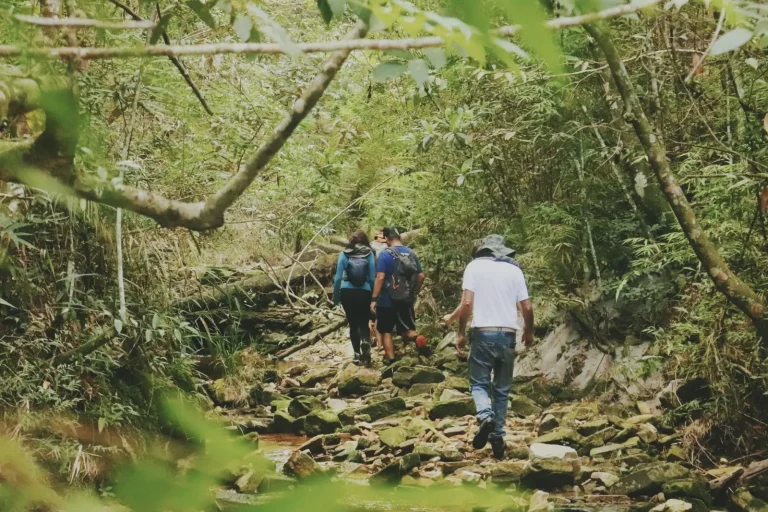
As you move away from the immediate waterfall area, the ground transitions. You’ll encounter sections of compacted leaf litter, exposed tree roots that have become established pathways over years of foot traffic, and areas where the soil has eroded down to harder substrate. The variation matters because it affects your pace and energy expenditure. A section that looks flat might require more focus than a steeper incline simply because the footing is uncertain.
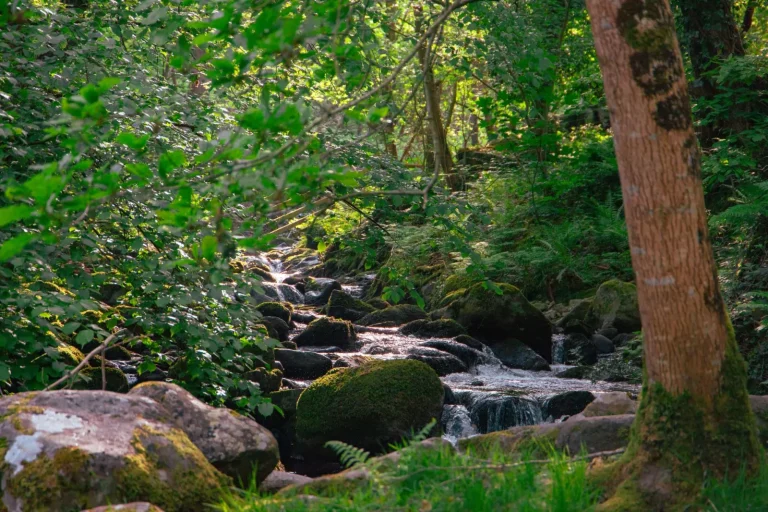
The forest canopy here is predominantly eucalypt, with spotted gum and Sydney blue gum being the dominant species. This creates a particular kind of shade – dappled rather than complete darkness. The undergrowth responds to this light pattern, so you’ll see areas of dense fern growth interspersed with more open sections where the forest floor is relatively bare. These open patches often indicate where water naturally collects or drains, and they tend to be the most slippery areas after rain.
Timing and Weather Patterns
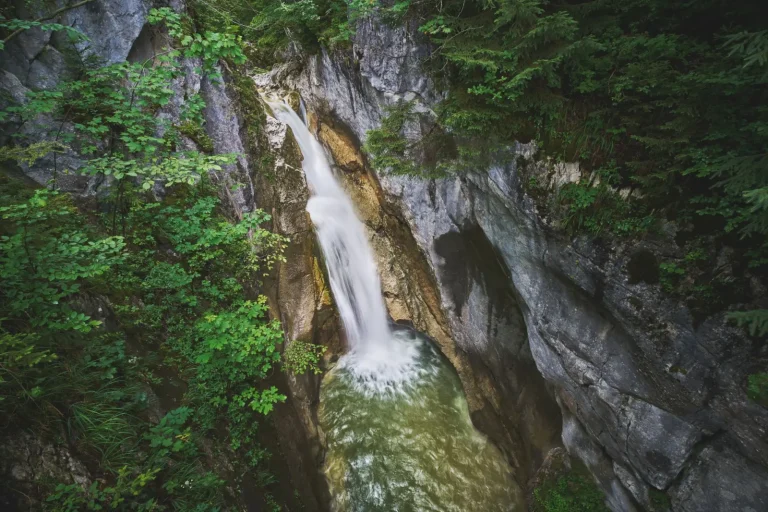
I’ve walked this forest in conditions ranging from drought to heavy rainfall, and the difference is profound. After heavy rain, the waterfall is spectacular but the surrounding trails become genuinely hazardous. Water runoff follows natural drainage lines, and what might be a minor depression in the path becomes a small stream. The rocks become treacherous, and the overall experience shifts from pleasant to actively risky.
The ideal window is usually two to three days after rain, when the waterfall still has good flow but the trails have had time to drain. In dry periods, the falls reduce to a trickle, and the forest itself feels different – the usual sound of water movement disappears, and the whole atmosphere becomes quieter and less dramatic.
Time of day matters more than many people realize. The forest canopy is thick enough that morning light and afternoon light create very different visibility conditions. Walking in late afternoon means you’re dealing with lower angle light that creates strong shadows and makes uneven ground harder to judge. Early morning is generally better for navigation and safety, though you’ll encounter more moisture on vegetation.
What the Forest Reveals
Beyond the main waterfall, the trails open into sections where you can see the forest’s structure more clearly. There are areas where trees have fallen and are in various stages of decomposition, creating natural bridges and barriers. These fallen logs are part of the forest ecosystem – they provide habitat for insects, fungi, and small animals, and they gradually return nutrients to the soil. They’re also obstacles that require careful stepping or occasional scrambling to navigate.
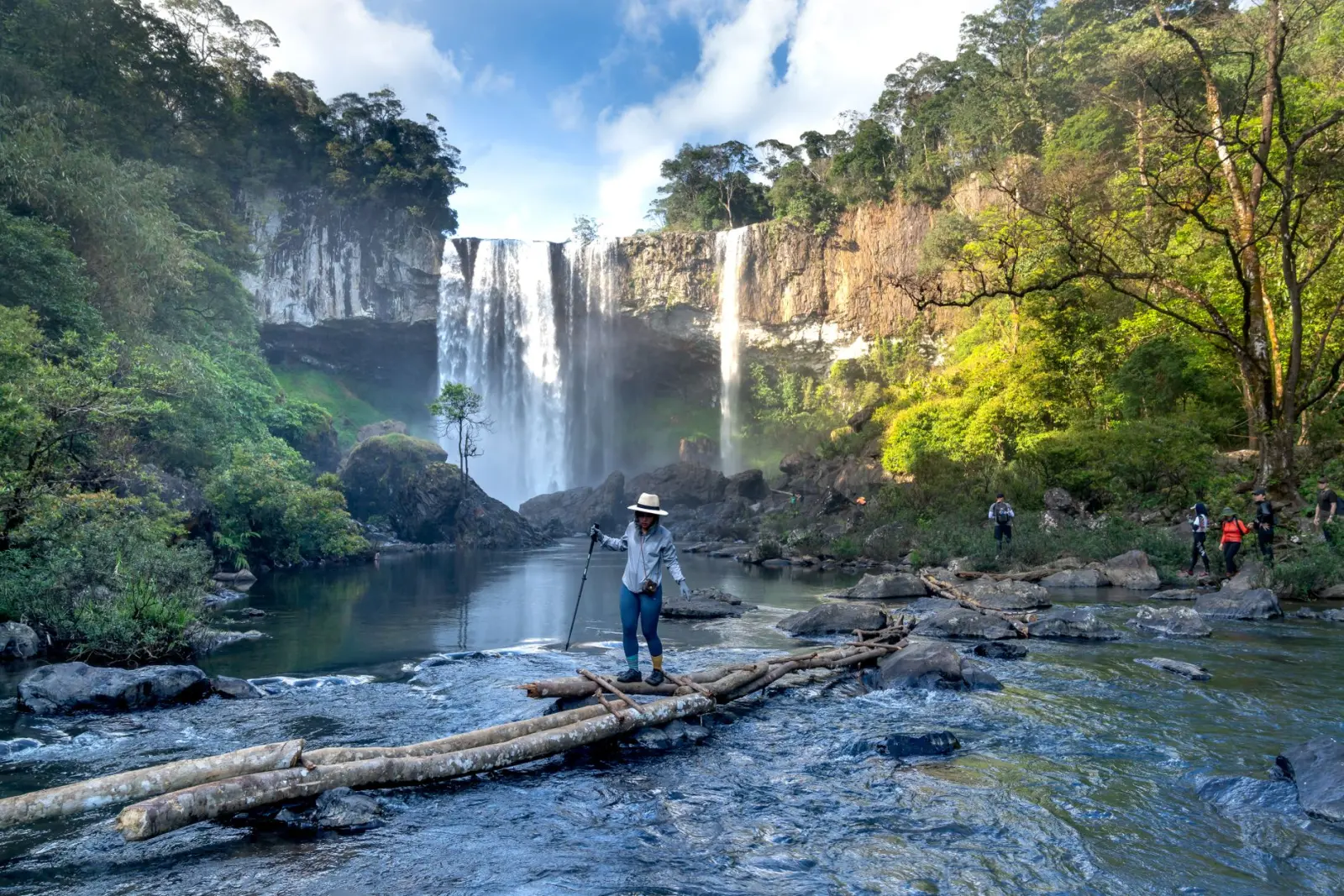
The water systems are worth paying attention to. Somersby Falls is fed by a creek that flows through the forest, and if you follow the trails away from the main falls, you’ll encounter the creek at various points. The water is generally clear but moves quickly in places, and the banks can be unstable. I’ve never seen anyone attempt to cross here during normal conditions, but it’s worth noting that the creek does become a genuine barrier after heavy rain.
The fern gullies are the most visually distinct sections. These are areas where moisture concentration supports dense growth of tree ferns and smaller ferns, creating an almost prehistoric atmosphere. The ground here is usually soft and spongy, which is actually easier to walk on than the harder compacted sections, though it can be deceptive about depth. What looks like solid ground might be several inches of accumulated organic matter.
Practical Realities
Distance is often misunderstood. The main walk to the falls and back is short – most people complete it in 20 to 30 minutes at a normal pace. If you venture into the surrounding forest, you can easily extend this to an hour or more, but the trails aren’t clearly marked beyond the main viewing area. Navigation relies on following worn paths and using common sense about where water flows and where people have walked before.
Fatigue accumulates differently in forest walking than on open trails. The uneven ground and constant minor adjustments to your footing create a different kind of tiredness than distance walking. People often underestimate this and find themselves more fatigued than they expected after what seemed like a short walk.
The forest itself is relatively safe in the sense that there are no significant drop-offs or exposed heights, but the combination of wet rocks, uneven ground, and dense vegetation means that an ankle injury here would be genuinely problematic. The area isn’t remote, but it’s remote enough that you’d need to make your own way back out, and the terrain doesn’t accommodate easy movement if you’re injured.
Wildlife is present but rarely encountered. You’ll hear birds, and you might see wallabies in the early morning or late afternoon. Snakes are present during warmer months, though they’re far more interested in avoiding you than interacting with you. The main thing is simply being aware that you’re moving through habitat where other animals live and giving them space.
The forest around Somersby Falls works best when you approach it without rigid expectations. It’s not a destination that delivers a singular experience – it’s a place where the experience changes based on conditions, timing, and how far you’re willing to explore beyond the obvious focal point. Understanding the terrain and the seasonal patterns gives you better control over what you actually encounter, which is really what separates a satisfying walk from one that feels like you’ve just ticked a box.