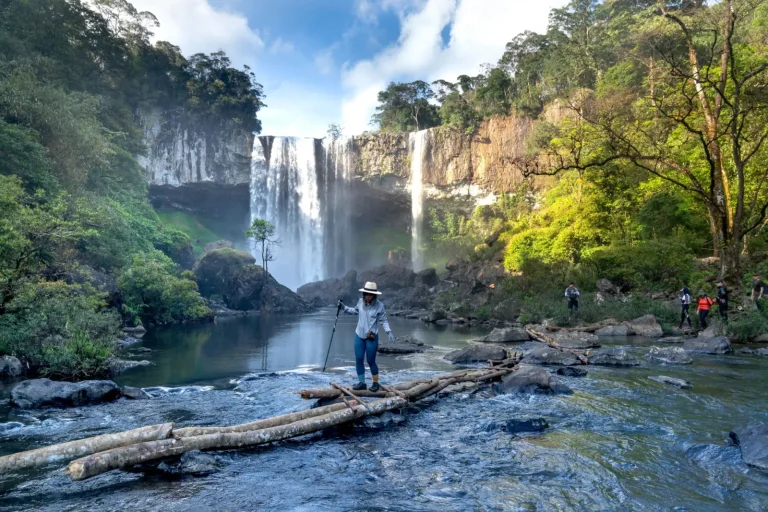

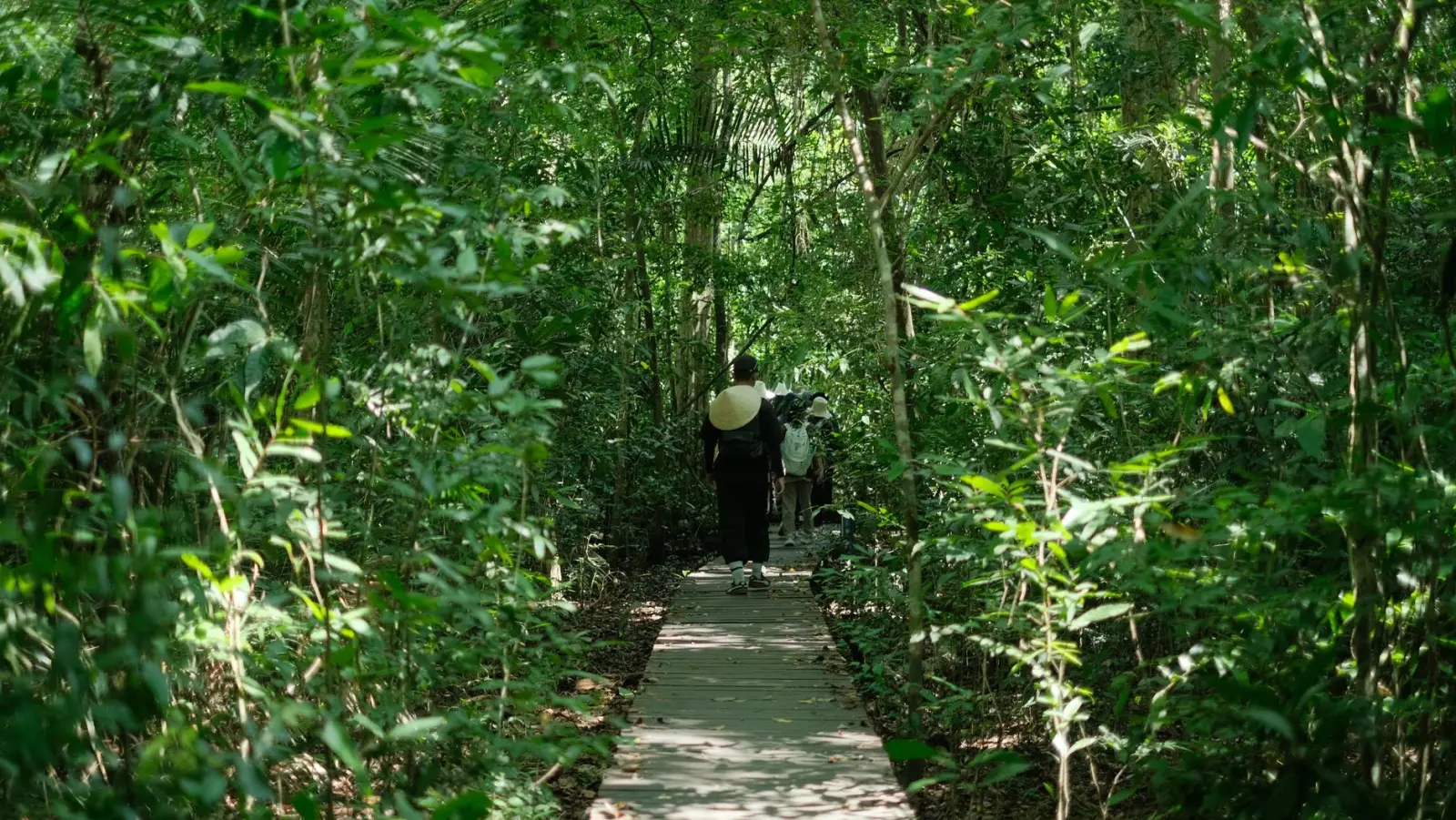
Barrington Tops sits in the upper reaches of the New England region, and its rainforest walks carry a reputation that doesn’t always match what you’ll actually experience on the ground. I’ve spent enough time moving through these valleys to recognize where the marketing narrative diverges from the physical reality of walking here. The park attracts people expecting pristine, easy forest strolls. What they often find instead is something more demanding, more unpredictable, and ultimately more worthwhile.
The rainforest itself is genuine – old growth, dense, and genuinely atmospheric. But the walks that access it require real preparation and realistic expectations about timing, fitness, and weather. This isn’t a criticism of the park. It’s an observation about what happens when people arrive underprepared for terrain that looks deceptively gentle in photographs.
The Gloucester Tops Approach
Most visitors start with the walks accessible from the Gloucester Tops area, and there’s a practical reason for this. The trailhead sits at reasonable elevation, which means you’re already partway into the forest rather than climbing steeply from a valley floor. The Barrington Tops summit walk is the most obvious choice, and it’s popular for a reason – the ridge walk itself is relatively straightforward, and the views justify the effort.
What often catches people out is the distance. The walk reads as moderate on paper, but it’s longer than it initially appears. The terrain alternates between open alpine heath and dense forest, and the transitions between these zones affect your pace more than you’d expect. In the open sections, wind can be significant, especially on the exposed ridges. In the forest sections, the ground becomes technical. Roots, rocks, and uneven surfaces demand attention. You can’t maintain a consistent rhythm, and this fragmented pacing causes fatigue to accumulate faster than on a steady climb.
The walk is manageable for people with reasonable fitness, but I’ve watched fit walkers underestimate it because they judged difficulty only by elevation gain. The real factor is the combination of distance, technical footing, and exposure. Start early. Afternoon light changes quickly in the valleys, and you don’t want to be navigating roots and rocks as visibility drops.
Chichester State Forest and the Rainforest Proper
The walks that actually penetrate deep rainforest tend to start from the Chichester area or the eastern approaches. These are less crowded than the Gloucester Tops routes, partly because they’re less obvious and partly because they demand more from you physically.
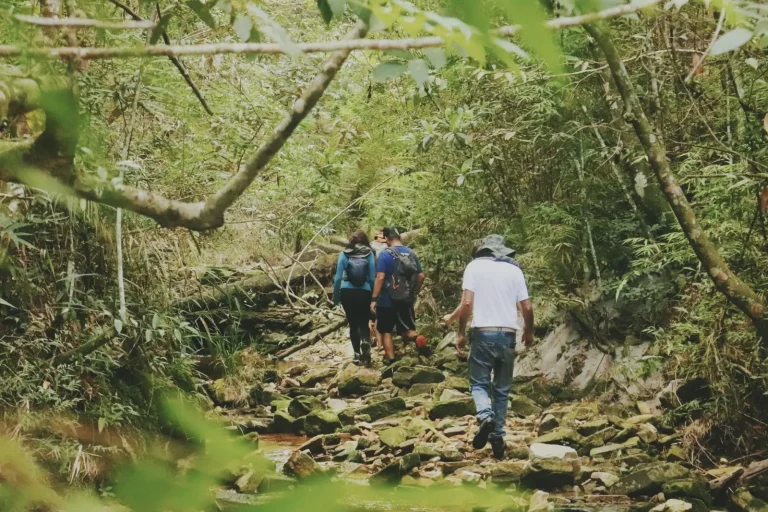
The Thunderbolt’s Secret walk is one I return to regularly, and it’s instructive because it shows what rainforest walking here actually involves. The walk descends into a gully where the canopy closes in completely. The temperature drops noticeably. Light becomes diffuse and greenish. The ground is perpetually damp, and in places actively muddy. This isn’t a problem in itself, but it changes how you move. Footing becomes uncertain. Pace slows. A walk that’s described as an hour or ninety minutes often takes significantly longer because the terrain demands it.
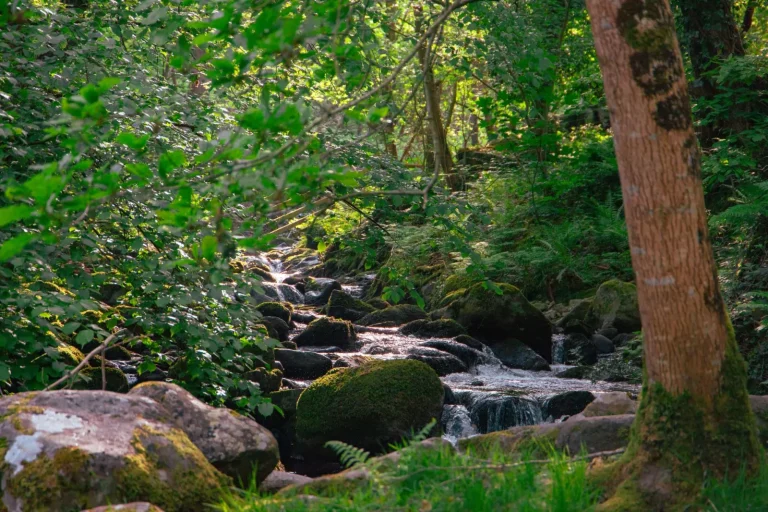
The payoff is genuine. The gully has a creek, ferns at multiple levels, and a sense of being somewhere genuinely remote despite being within the park boundary. But you need to accept that you’ll be moving slowly, carefully, and with constant attention to foot placement. People who expect to maintain a steady hiking pace tend to find this frustrating rather than meditative.
Water and Seasonal Reality
The rainforest here depends on consistent moisture, and that moisture affects walkability significantly. After heavy rain, gullies become slippery and in places genuinely hazardous. Creeks rise and can make creek crossings uncertain. I’ve seen people turn back from walks they’d planned because water levels made the route unsafe, and that’s the right call. There’s no shame in recognizing that conditions have changed the equation.
Conversely, in dry periods, the walks are more pleasant underfoot but the forest feels less alive. The atmosphere changes. The sense of being in an active, growing ecosystem diminishes. Neither season is objectively better – they’re just different, and the experience shifts accordingly.
The practical reality is that you need to check conditions before you commit. Park staff can tell you what’s passable and what isn’t. Local knowledge matters more here than it does on higher-altitude walks where conditions are more stable and predictable.
The Logistics of Access
Getting to the trailheads requires driving into the park, and the roads themselves vary in condition. The main access roads are maintained, but they’re not fast. You’ll spend more time driving than you might anticipate. This affects how much daylight you actually have for walking. If you’re coming from the towns below – Scone, Muswellbrook, or further down – factor in a solid hour of driving each way, and that’s before you start walking.
Accommodation exists in the park and in nearby towns, but the park itself is quieter and less developed than many people expect. There are no shops, no fuel, no restaurants. You need to be self-sufficient. Bring water, bring food, bring a map or reliable navigation. Phone coverage is patchy. This isn’t wilderness in the absolute sense – you’re never truly far from help – but it requires a different mindset than walking near towns.
Parking at trailheads can be limited. Popular walks have small car parks that fill on weekends. If you’re visiting during school holidays or on a clear weekend, arrive early or accept that you might not get a spot. This isn’t a major problem – you can park further down the road and walk to the trailhead – but it adds to your day and affects how much time you have for the actual walk.
Fitness and Realistic Pacing
The rainforest walks here don’t have the elevation gain of alpine walks, but they’re deceptively tiring. The combination of technical footing, humidity, and the need for constant attention to where you’re placing your feet accumulates fatigue differently than steady climbing does. People who are fit for road running or gym work sometimes find themselves struggling because the demands are different. It’s not about cardiovascular fitness alone – it’s about lower leg strength, ankle stability, and the ability to maintain balance and concentration over several hours.
I’ve noticed that people who walk regularly on varied terrain – trails with roots and rocks, not just smooth paths – adapt to these walks much more easily. If you’re primarily a road walker or trail runner, the transition to technical rainforest walking requires adjustment. There’s no shortcut for this. You either have the movement patterns or you develop them by walking on similar terrain beforehand.
Pace yourself conservatively. The walks look achievable at a certain pace in your head, but the reality of moving through rainforest is slower. Build in buffer time. If a walk is described as two hours, plan for two and a half. If it’s four hours, plan for five. This isn’t pessimism – it’s experience. You’ll either finish early and have time to sit and absorb the forest, or you’ll finish on schedule without rushing.
Weather and Visibility
The rainforest creates its own weather. Mist and low cloud are common, especially in the gullies. Visibility can drop from clear to murky in minutes as you descend. This affects navigation and pace. If you’re relying on landmarks or visual cues to navigate, cloud cover changes the walk significantly. Bring a map and compass or a GPS device. Don’t rely on memory or intuition in conditions where visibility is limited.
Rain is frequent in this region, and the rainforest walks are still walkable in light rain. But heavy rain makes them slippery and less enjoyable. The decision to go or not go often comes down to what the weather is doing in the hour before you start. If it’s raining heavily, wait. If it’s drizzle or clearing, you can usually proceed.
The forest doesn’t drain quickly. Puddles persist. Mud accumulates. Your boots will get wet. Accept this. Bring spare socks. Wear boots with good grip rather than trail shoes. The extra weight and stiffness of boots is worth it when you’re moving on wet, uneven ground.
The rainforest walks in Barrington Tops reward preparation and realistic expectations. They’re not difficult in the technical climbing sense, but they demand attention, time, and acceptance that you’ll be moving slowly through terrain that doesn’t forgive inattention. The forest itself is worth this investment. The atmosphere, the biodiversity, the sense of being in a genuinely old landscape – these things are real and substantial. But they’re accessed through walks that require you to show up ready to move carefully and deliberately, not quickly and casually.