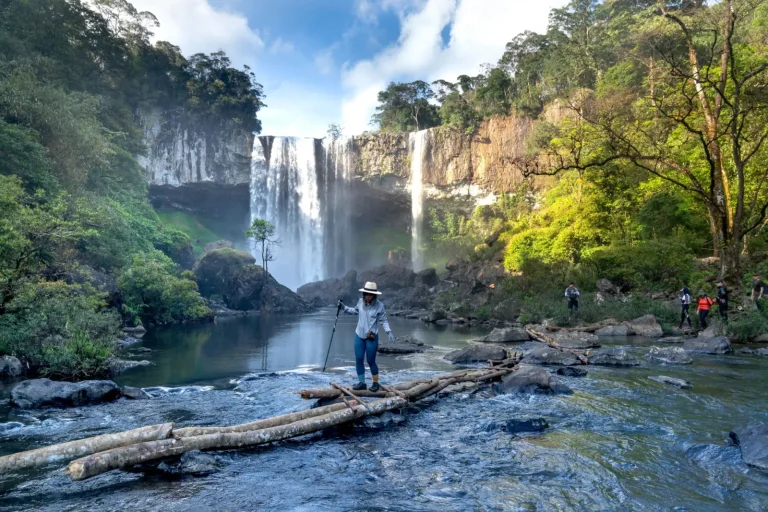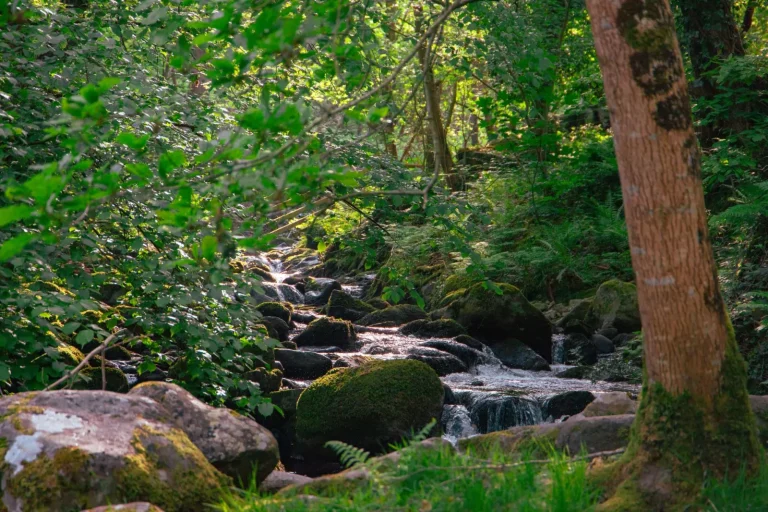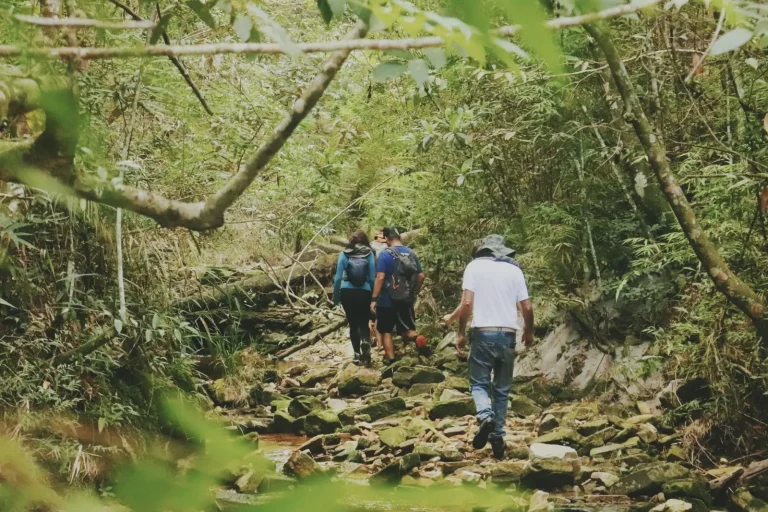

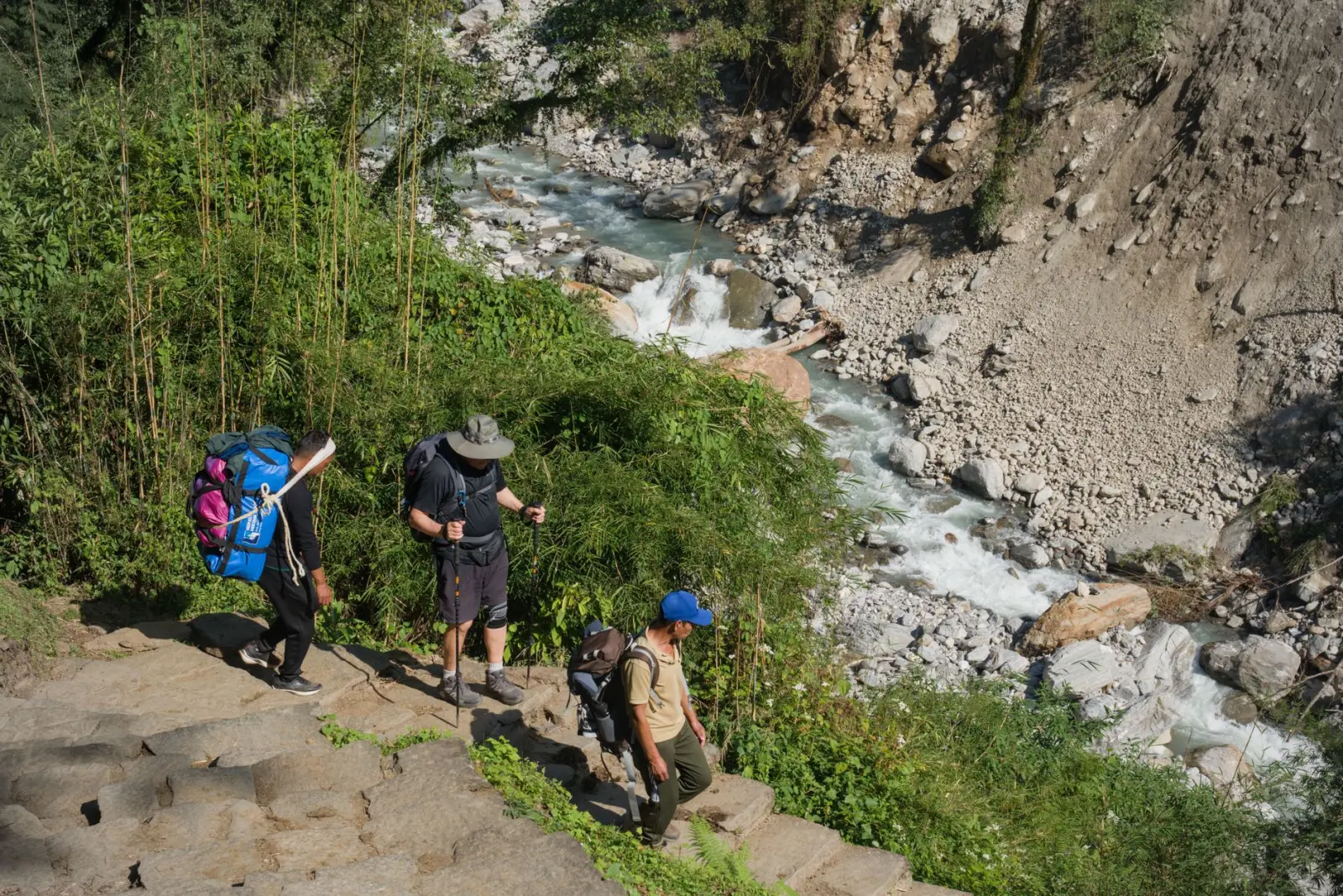
The forests around Williams River sit in that awkward middle ground between coastal hinterland and proper wilderness. They’re accessible enough that you can reach them in an afternoon from Sydney, but remote enough that you need to respect the actual conditions rather than treat them as a managed park walk. I’ve spent enough time moving through these forests over several years to recognize patterns – what works, what doesn’t, and what catches people off guard.
The character of the forest changes noticeably depending on which section you’re exploring. The lower reaches near the river itself tend toward open eucalypt woodland with substantial trees and a relatively clear understorey. Move upslope or venture into the gullies, and the vegetation thickens considerably. You’ll encounter dense scrub, tangled vines, and sections where the canopy closes overhead enough to shift the light and temperature. This isn’t dramatic rainforest, but it’s dense enough that navigation becomes a real consideration rather than an afterthought.
Seasonal Water and Ground Conditions
The river itself is the dominant feature, and its behavior dictates what’s actually possible on any given visit. After heavy rain, the water moves fast and muddy. The banks become slippery, and crossing becomes genuinely risky rather than mildly inconvenient. I’ve watched people attempt crossings in conditions where the water was clearly too high and too swift – it’s not worth it. The forest floor near the water absorbs moisture for days after rainfall, so what looks like solid ground often isn’t. Your boot will sink into what appeared to be leaf litter.
In drier periods, the river becomes more manageable, but the ground elsewhere becomes harder and less forgiving. Exposed roots and rocks become more pronounced hazards. The difference between wet season and dry season walking is substantial enough that you’re essentially exploring two different environments. Most people don’t account for this when planning a visit. They check the weather for that day and assume conditions are consistent, but the forest carries the memory of recent rain for longer than you’d expect.
Navigation and Orientation
Track marking in these forests is inconsistent. Some sections have clear, maintained paths. Others have faint trails that disappear entirely when you’re not paying close attention. There are also multiple informal routes created by repeated foot traffic, which can be confusing if you’re trying to follow a specific line. GPS helps, but relying on it entirely is a mistake. The canopy is thick enough in places that satellite signal becomes unreliable, and dead batteries or forgotten devices leave you dependent on map reading and landscape recognition.
The terrain itself provides navigation clues if you’re paying attention. The river is a constant reference point – it flows in one direction, and if you’re lost, following a watercourse downslope will eventually lead somewhere populated. Gullies channel water and tend to run toward the main river. Ridgelines are navigable even when the forest is dense. But these observations only help if you’re actually thinking about where you are rather than just moving forward.
Physical Demands and Pacing
The forest doesn’t require technical climbing or scrambling in most places, but it’s more physically demanding than the terrain alone suggests. The uneven ground, constant minor obstacles, and need to watch footing while maintaining forward momentum accumulates fatigue faster than walking on established trails. A three-kilometer forest walk can feel longer than a five-kilometer walk on a proper track. People often underestimate how much energy they’ll expend and plan visits that are too ambitious for the actual conditions.
The humidity is another factor that catches people off guard. Even on days that don’t feel particularly hot, the forest holds moisture and warmth. Exertion in these conditions generates sweat that doesn’t evaporate effectively, and dehydration happens more easily than you’d anticipate. I’ve seen people arrive at the forest with a single water bottle expecting it to be sufficient for a half-day walk. It rarely is, especially if the pace is slower than expected due to navigation or terrain.
Wildlife and Seasonal Variations
The forest supports standard Australian wildlife – snakes, spiders, insects – without being exceptional in that regard. Snakes are present but not aggressive. Encounters are rare if you’re making noise and moving deliberately. The real seasonal variation comes from insects. During certain months, the mosquito and march fly populations become significant enough to make exposed skin uncomfortable. Long sleeves and insect repellent aren’t optional during these periods; they’re practical necessities.
Bird activity is notable, particularly in early morning. The forest is relatively quiet during midday, which can feel eerie if you’re not expecting it. The absence of sound is sometimes more noticeable than the presence of it. This is normal behavior for the forest, not a sign of anything unusual, but it affects the experience and can be disorienting if you’re accustomed to more active soundscapes.
Equipment and Practical Realities
Proper footwear matters significantly. Smooth-soled shoes slip on wet rock and root. Boots with reasonable grip and ankle support reduce the frequency of minor stumbles. The forest floor is unforgiving when you lose your footing, and even small falls can result in scrapes or twisted ankles. I’ve seen people attempt these walks in trail runners or casual shoes and regret it within the first kilometer.
The forest is wet enough that waterproof bags or dry bags become useful if you’re carrying anything that shouldn’t get damp. Your phone, map, or camera will get moisture exposure even if you’re not crossing water. A basic first aid kit is sensible – not because the forest is dangerous, but because minor cuts and scrapes are common, and you’re a distance from immediate help.
The time required for any given walk is difficult to predict without experience. A route that takes two hours on a clear day with established paths might take three or more hours if visibility is poor or the ground is wet. Overestimating your pace is a common mistake. It’s better to plan conservatively and finish early than to find yourself moving through the forest as light begins to fail.
The Williams River forests are rewarding to explore repeatedly. Each visit reveals something different – a new gully, a section of forest you hadn’t noticed before, or a seasonal change that shifts the entire character of the place. But they demand respect for actual conditions rather than assumptions based on appearance or proximity to civilization. That’s what separates a good day in the forest from a day that becomes unnecessarily difficult.