

Empress Falls sits in a particular kind of forest environment that looks deceptively straightforward from a distance. The walk itself is short – roughly 6.5 kilometres return from Leura – but the forest around it operates on its own logic. After many visits across different seasons, I’ve noticed that people tend to underestimate what the bush demands here, not because the walk is technically difficult, but because the conditions shift in ways that aren’t immediately obvious from the car park.
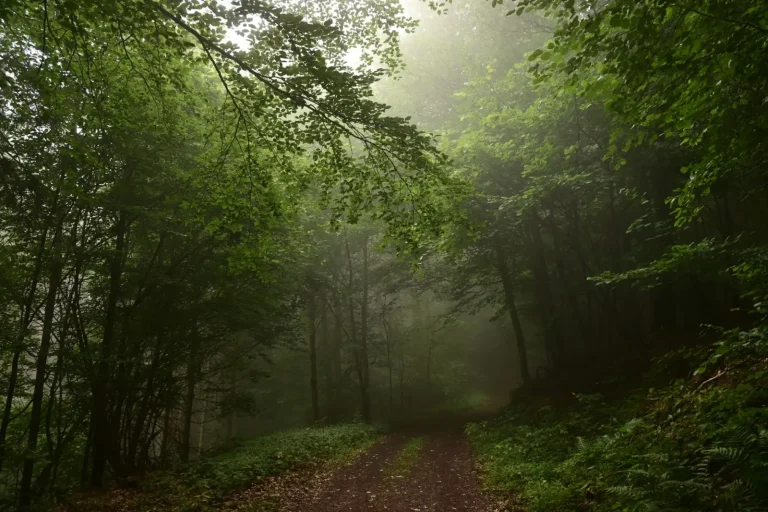
The track descends into a rainforest pocket that feels isolated even though you’re never far from the rim of the Blue Mountains plateau. This isolation is the first thing to understand. The forest canopy is dense enough that weather changes feel sudden. Temperature drops noticeably as you move down into the gully, and moisture clings to everything – the rock, the vegetation, your clothes. On a warm day at the top, you might assume the walk will be straightforward. By the time you’re halfway down, the air has shifted entirely.
The descent itself uses a combination of rock steps, root systems, and compacted earth. None of it is particularly steep in the technical sense, but the repetition of stepping down over 300 metres of elevation change accumulates in your legs faster than most people anticipate. The return climb is where this becomes obvious. I’ve watched dozens of people reach the falls, spend ten minutes there, and then discover on the way back up that the effort required is considerably more than they budgeted for. The psychological shift – realizing you still have to climb out – catches people off guard.
Water and Footing
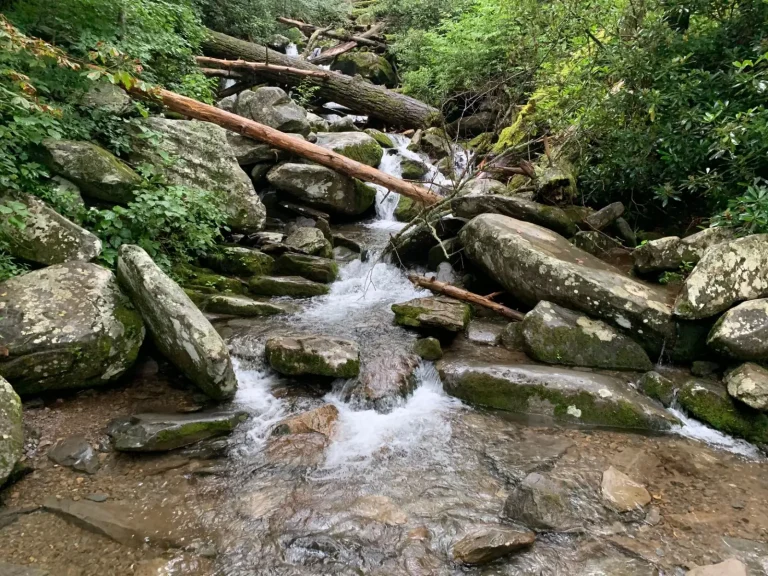
The track crosses several water runoff areas, and this is where seasonal variation becomes critical. After rain, these sections turn into small streams, and the rock becomes slippery in a way that’s difficult to predict. The moss and algae growth on rock surfaces in this moist environment is persistent. Even on what appears to be a dry day, if there’s been rain in the previous 48 hours, the rock will retain moisture. I’ve seen experienced walkers slip on sections that looked dry because the moisture is subsurface – held in the porous stone itself.
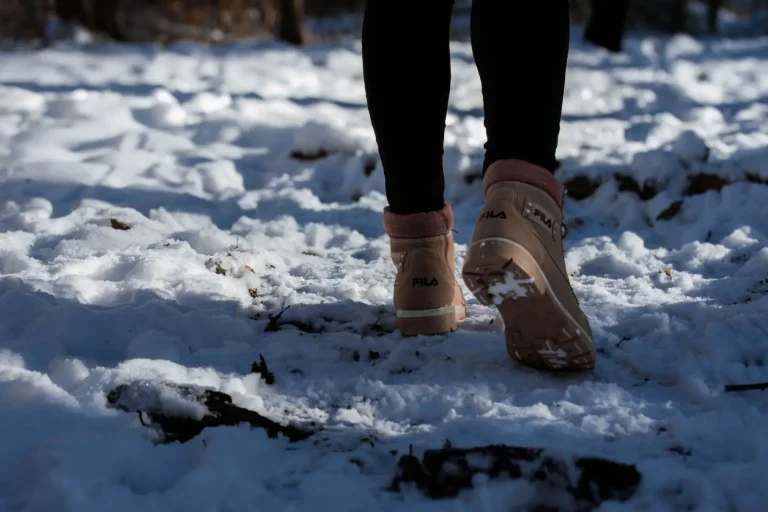
Footwear matters more here than on drier Blue Mountains walks. Runners or lightweight hiking shoes with worn tread won’t cut it. The soles need genuine grip, and they need to be broken in. New shoes on this walk tend to feel unreliable on the descent because the rubber hasn’t adapted to the specific texture of wet rock. Proper hiking boots with aggressive tread and ankle support change the experience considerably. The ankle support isn’t about dramatic terrain – it’s about the constant micro-adjustments your foot makes on uneven, slippery surfaces over a sustained period.
Timing and Fatigue
Most people walk this in the morning, which makes sense logistically. The track is shadowed for much of the descent, so temperature regulation is easier. By midday, if you’re still on the descent, the sun angle shifts and the exposed sections become noticeably warmer. The walk takes longer than the guidebooks suggest if you’re moving carefully on wet rock. A realistic estimate is 2 to 2.5 hours for the full return, not the often-quoted 90 minutes. That extra time matters if you’re managing energy or if conditions slow you down.
Fatigue on the return climb is where the walk reveals itself. The first half of the descent feels manageable because gravity assists. The return climb doesn’t have that advantage. Your legs are already tired, and the climb is relentless without being dramatic. This is the point where people start making small errors – misjudging step height, placing weight carelessly, rushing to finish. Most minor injuries I’ve encountered on this walk happen in the final 20 minutes of the climb, when concentration drops.
The Falls and the Gully
Empress Falls itself is a modest waterfall, not a dramatic cascade. The water volume varies significantly with rainfall. After dry periods, it’s more of a trickle. After heavy rain, it’s genuinely powerful and the pool below becomes unsafe for swimming. The rock around the falls is consistently wet, and the temptation to get closer for photographs or to wade in the pool catches people repeatedly. The rock is more slippery than it appears, and the pool is deeper than it looks. The current, when there’s significant water flow, is stronger than you’d expect from a small waterfall.
The gully itself is a microclimate. The air is cooler and more humid than the surrounding forest. If you’re not prepared for the temperature drop, the moisture can feel uncomfortable – your damp clothes stop drying, and you start to feel cold despite the outside temperature being mild. Bringing an extra layer, even on a warm day, makes a tangible difference. Once you’re back out of the gully and climbing toward the rim, the temperature shifts again, and that layer becomes unnecessary. It seems like a minor detail, but it affects how you experience the walk.
Navigation and Crowds
The track is well-marked and heavily walked, so navigation isn’t typically an issue. However, the density of visitors on weekends creates its own problems. The track becomes congested, particularly on the descent where passing is difficult. People moving at different speeds create bottlenecks. On busy days, the walk loses some of its forest experience and becomes more of a managed queue. Weekday visits or early morning starts make a substantial difference in how the forest feels.
The forest itself is recovering from past disturbance – you’ll notice sections of regrowth and areas where the canopy is opening up. This is normal for the Blue Mountains, but it means the environment is still dynamic. Tree falls across the track happen occasionally, and the maintenance crew clears these regularly. In the weeks after storms, the track can be temporarily more challenging as debris settles.
What stays with me after repeated visits is that this walk isn’t about the destination – the falls are modest, and the view from the top isn’t panoramic. It’s about moving through a specific forest environment and understanding what that environment demands. The Blue Mountains have many walks that are more dramatic or more rewarding visually. Empress Falls works because it’s accessible, but that accessibility masks the fact that the forest here is unforgiving about preparation and attention. Respect that, and the walk becomes straightforward and absorbing.