
Australia’s giant fig trees occupy an unusual place in the landscape. They’re not as immediately recognizable as the country’s eucalypts or acacias, yet they command attention when you encounter them. Some have been standing for centuries, their massive root systems and sprawling canopies dominating pockets of bushland from Queensland down to New South Wales. I’ve spent enough time tracking these trees across different regions to understand what makes them worth seeking out, and more importantly, what the experience of actually visiting them involves.
The figs that grow to truly impressive size in Australia are mostly native species, though some of the largest specimens are fig trees that arrived with European settlement. The distinction matters because it changes what you’ll find and where. Native figs like the Moreton Bay fig and the Port Jackson fig have adapted to Australian conditions over millennia, while introduced species like the Ficus carica have naturalized in certain areas and occasionally grown to remarkable proportions. The climate and soil conditions that allow these trees to thrive are specific enough that they don’t appear everywhere, which is partly why visiting them requires some planning.
The Moreton Bay Fig at Brisbane
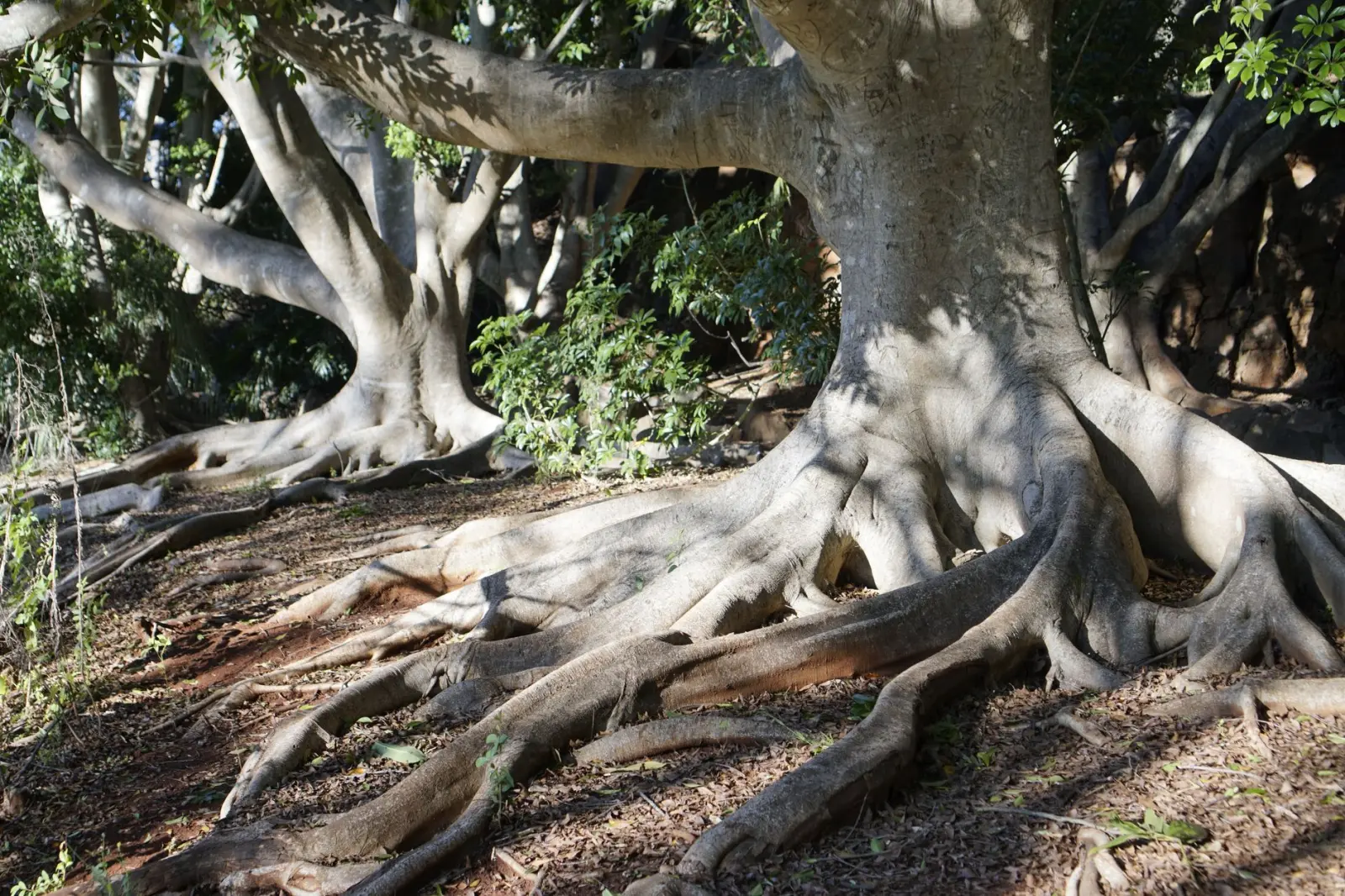
The most famous specimen in the country stands in the Brisbane Botanic Gardens at Mount Coot-tha. This particular Moreton Bay fig is old enough that it predates most of the city around it. The tree itself is massive – the kind of scale that makes you recalibrate your sense of what a tree can be. Its canopy spreads across an area that would take several minutes to walk around, and the buttressed root system rises well above ground level, creating natural seating areas that have worn smooth from decades of visitors.
Getting there is straightforward if you’re in Brisbane, but the experience isn’t what many people expect. The tree is in a managed garden setting, which means you’re viewing it in a controlled context rather than seeing it in its native habitat. The gardens themselves are pleasant enough, and the tree’s scale is undeniable, but there’s a quality of containment that changes the encounter. The tree is also heavily trafficked, especially on weekends, which affects how you can spend time with it. Early morning visits yield a different experience than afternoons when school groups and casual tourists fill the space.
Stranger Fig at Atherton Tablelands
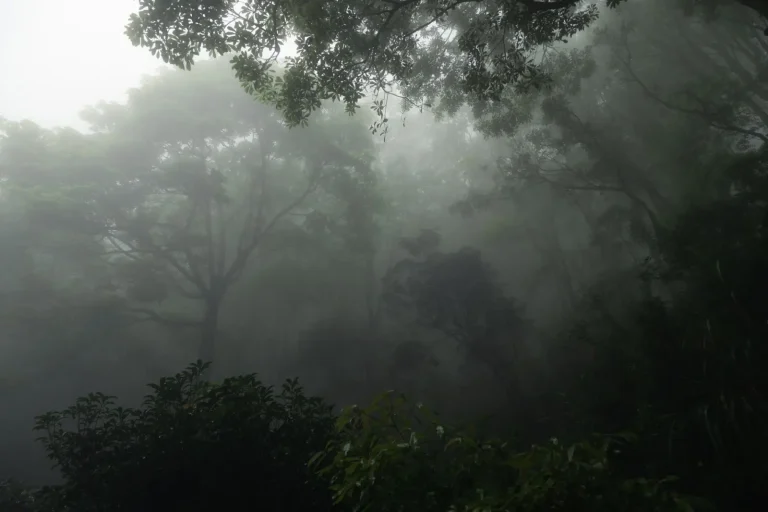
The Stranger Fig near Yungaburra in Queensland’s Atherton Tablelands sits in a different category entirely. This tree grows within a rainforest context, which fundamentally changes what you’re observing. The Stranger Fig is a fig species that begins its life as an epiphyte – it germinates in the crown of another tree and gradually strangles its host as it grows. The tree at Yungaburra has done exactly this, and what remains is a hollow interior surrounded by the fig’s own root structure, creating a natural tunnel that you can walk through.
The setting requires more effort to reach than the Brisbane specimen. You’ll need to drive to the small town of Yungaburra, then locate the tree, which sits near the town center but isn’t prominently signposted. The rainforest environment around it is humid and dense, particularly during the wet season. The tree itself is genuinely unusual to stand beneath – the root cage is thick enough to walk through, and the scale of the structure makes clear the process of gradual strangulation that occurred over decades. The humidity and the enclosed feeling of being inside the root structure creates a sensory experience quite different from viewing a fig in an open garden setting.
Ficus macrophylla Specimens Along the Coast
Large Moreton Bay figs appear in various locations along the New South Wales coast and into Queensland, often in parks or near heritage properties. These trees tend to be older plantings rather than wild specimens, which means they’re often found in accessible locations but in managed settings. I’ve encountered several in places like Lismore, Byron Bay, and further south, where they were planted in the nineteenth century and have simply continued growing.
What strikes me about these scattered specimens is how differently they function in different contexts. A fig tree in a town park becomes a landmark and a gathering point. A fig tree on private land or in a less visited reserve becomes something you have to deliberately seek out. The access situation changes the entire nature of the visit. Some are easily photographed and visited; others require permission or navigation through less-developed areas. The age and condition also varies significantly. Some trees show signs of stress or disease, while others appear vigorous and healthy despite their age.
Conditions That Shape the Visit
The season matters considerably when you’re planning to see these trees. During the Australian wet season, particularly in Queensland, the humidity and rainfall can make some locations difficult to access. Rainforest areas become slippery and insect activity increases. The dry season offers better access and more comfortable conditions for spending time beneath the trees. However, the dry season is also when the trees are less visually dramatic – the canopy may be less lush, and the surrounding environment appears more stressed.
Fatigue is a practical consideration that often gets overlooked. Some of these trees sit in locations that require walking through uneven terrain or navigating unclear paths. The Atherton Tablelands specimens, for instance, involve driving to a small town and then locating the tree on foot. If you’re combining multiple fig tree visits into a single trip, you’re looking at significant travel time between locations. The distances across Queensland and northern New South Wales mean that visiting more than two or three in a single journey requires careful route planning.
Photography of these trees presents its own challenges. The scale that makes them impressive to stand beneath becomes a problem when trying to capture them in a frame. You’ll rarely get a satisfying photograph of the entire tree because the canopy is simply too broad. Close-up photographs of the root structure or trunk detail often work better than attempts at wide shots. The lighting conditions also matter – the dense shade beneath the canopy can make photography difficult, while shooting from a distance often fails to convey the actual size and presence of the tree.
The ecological role these trees play is worth understanding if you’re going to spend time observing them. Fig trees are keystone species in many ecosystems, providing food and shelter for birds, bats, and insects throughout the year. When you’re standing beneath one of these giants, you’re often in the presence of significant wildlife activity, though much of it happens in the upper canopy where you won’t see it. The tree’s presence shapes the microclimate around it, creating cooler, more humid conditions than the surrounding landscape.
The reality of visiting Australia’s giant fig trees is that they’re worth the effort, but the experience is often quieter and less dramatic than photographs suggest. They’re genuinely old, genuinely large, and genuinely worth seeing in person. But they’re also often in managed settings, require travel to reach, and don’t always photograph well. The satisfaction comes from standing beneath something that has been growing in the same place for longer than the country has been settled, not from any single moment of revelation. If you’re in Queensland or northern New South Wales and find yourself near one of these trees, the detour is worthwhile. If you’re planning a trip specifically around seeing them, manage your expectations about access, comfort, and what the experience will actually feel like.