

After spending considerable time on Australian rainforest boardwalks across Queensland, New South Wales, and Tasmania, I’ve learned that the experience varies dramatically depending on timing, which walk you choose, and what you’re actually prepared for. The boardwalks themselves are well-maintained in most cases, but the reality of walking them – the humidity, the crowds, the physical demands – rarely matches the promotional photography.
The fundamental appeal of boardwalks is straightforward: they allow access into dense rainforest without trampling vegetation or sinking into mud. They’re engineered to manage foot traffic while preserving the ecosystem. What gets overlooked is that boardwalks concentrate visitors into narrow corridors, which changes the entire experience. You’re not exploring wilderness; you’re moving through a managed landscape with dozens of other people, often all moving in the same direction at the same pace.
The Daintree and Its Realistic Demands
The Daintree boardwalks near Cairns are the most visited and most photographed. Mossman Gorge, in particular, draws significant crowds, especially between June and August. The walk itself is short – around 2.4 kilometres return – and the boardwalk is solid, well-built, and genuinely impressive in its engineering. The rainforest canopy is dense, and you do get a legitimate sense of being inside something ancient and complex.
The catch is timing. Visit between 10 AM and 3 PM, and you’ll spend much of your walk waiting for people ahead to move, or stepping aside for others. The humidity is relentless year-round, and the boardwalk can become slippery even when it hasn’t rained recently. Shoes with proper grip matter more than most guides suggest. I’ve seen people in flat-soled sneakers struggling on sections that are barely damp.
If you’re serious about the Daintree experience, start early – before 8 AM – or go late in the afternoon after 4 PM. The difference is tangible. The light changes, the bird activity shifts, and you actually have space to stop and observe without feeling rushed. The walk becomes something other than a queue.
Lamington National Park’s Overlooked Routes
Lamington, in Queensland’s Gold Coast hinterland, has several boardwalks that see a fraction of the Daintree traffic. The Box Forest Scenic Drive boardwalk and the Morans Falls area offer comparable rainforest density with far fewer people. These walks tend to be quieter because they’re positioned as secondary attractions – people come for the main lookouts and miss the boardwalk options entirely.
The terrain here is steeper than Daintree, and the boardwalk sections are interspersed with standard walking track. This hybrid approach actually works well because it breaks up the monotony and gives your legs different demands. The rainforest is equally impressive, with similar canopy structure and understory complexity, but the experience feels less choreographed.
Lamington’s elevation means weather can shift quickly. I’ve walked sections in clear conditions that became genuinely wet and slippery within thirty minutes. The boardwalk handles this reasonably well, but it’s a reminder that tropical rainforest boardwalks aren’t immune to weather impacts. Bring a light rain jacket regardless of the forecast.
Tassie’s Temperate Alternative
Tasmania’s rainforest boardwalks operate in a completely different climate. Cradle Mountain-Lake St Clair National Park and the Rainforest Walk near Strahan offer access to cool temperate rainforest that feels botanically distinct from tropical systems. The boardwalks are narrower, often more rustic in construction, and the vegetation is different – tree ferns, moss-covered logs, and a softer overall aesthetic.
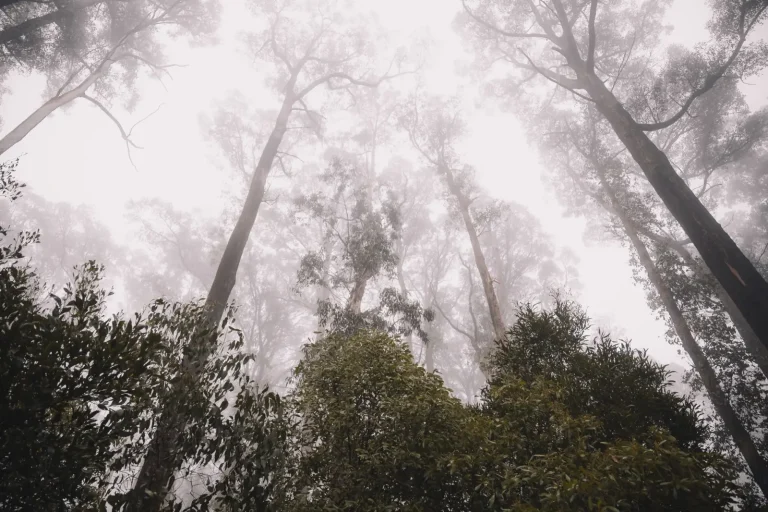
The advantage here is that Tasmanian boardwalks rarely feel crowded, even during peak season. The walk to Dove Lake at Cradle Mountain draws crowds, but the actual rainforest boardwalk sections remain relatively quiet. The disadvantage is that weather is genuinely unpredictable. I’ve walked sections in conditions that shifted from clear to near-whiteout within an hour. The boardwalk itself becomes harder to navigate when visibility drops, and the experience becomes less about observation and more about getting through safely.
What Boardwalks Actually Reveal
One thing boardwalks do reliably well is create access to the understory and mid-canopy layers. Ground-level walking keeps you at eye level with ferns, seedlings, and fallen timber. Boardwalks that elevate you slightly – even by a meter or two – shift your perspective entirely. You see into the canopy structure, notice bird activity at different heights, and get a sense of the layered complexity that makes rainforest distinct from other forest types.
The best boardwalks are the ones that vary elevation slightly. A completely flat boardwalk becomes monotonous. The Rainforest Circuit at Lamington and sections of the Daintree Mossman Gorge walk include gentle elevation changes that break up the visual experience and engage different muscle groups.
Boardwalks also reveal what you might miss on standard trails. Because you’re moving slowly and the surface is stable, you notice small things – insects, fungi, specific plant relationships – that you’d walk past on a rougher track. This is where the boardwalk experience genuinely adds value. You’re not moving faster or covering more ground; you’re moving more steadily, which allows for observation.
Practical Realities Worth Knowing
Most Australian rainforest boardwalks are accessible year-round, but seasonal differences matter. Wet season (November to March in the tropics) brings higher humidity and more insect activity. Dry season is more comfortable for walking but also more crowded. The sweet spot is usually April to May or September to October, when humidity is moderate and crowds are lighter than peak season.
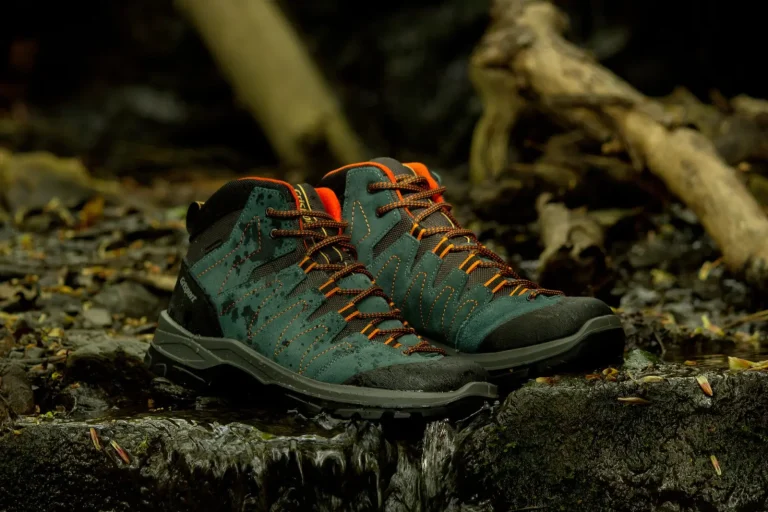
Footwear is genuinely important. Boardwalks look solid, but they’re often slightly slick even when dry. Shoes designed for hiking or trail running – with proper tread and ankle support – make a measurable difference. Thongs or flat-soled shoes are a common mistake that people regret partway through.
Insects are present but rarely problematic if you’re moving. Mosquitoes are more active at dawn and dusk, so midday walking actually has an advantage beyond crowd avoidance. Leeches can be present in wet conditions, particularly in Tasmania, but they’re more of a nuisance than a genuine hazard.
The boardwalks themselves are maintained regularly, but maintenance standards vary. Daintree and Lamington boardwalks are inspected frequently and repairs are prompt. Smaller, less-visited boardwalks can have loose sections or minor damage that goes unaddressed for longer. Check conditions before committing to a walk if you’re visiting a less-trafficked route.
What I’ve consistently observed is that the best boardwalk experiences happen when you adjust your expectations to match reality. You’re not entering pristine wilderness; you’re accessing a managed ecosystem that’s been engineered for foot traffic. The rainforest itself is genuinely impressive, but the experience is shaped by crowds, weather, and your own physical condition. Start early, wear appropriate footwear, and go in expecting to move slowly and observe carefully. That’s when boardwalks deliver what they’re actually designed for.