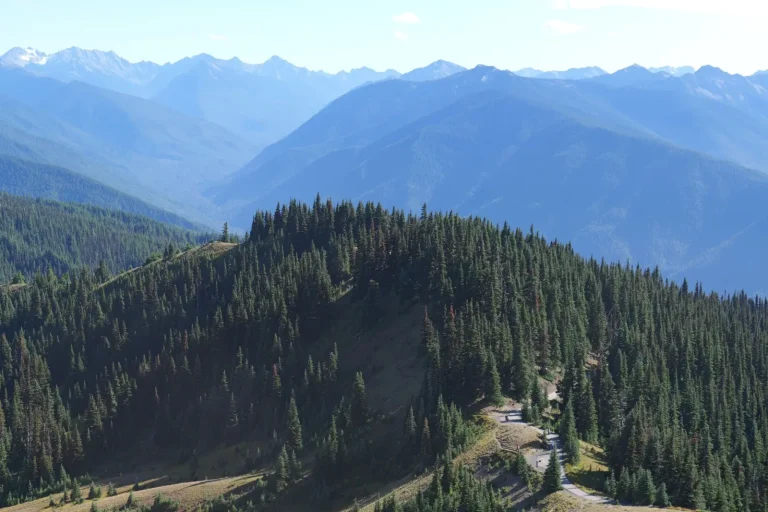

The Scenic Rim sits in that awkward zone where the landscape looks manageable from a distance but reveals its teeth once you’re inside it. I’ve spent enough time moving through these forests to know that the appeal – those green ridgelines, the promise of solitude, the idea of a straightforward walk – rarely matches what actually happens on the ground. The forests here aren’t hostile, but they demand respect in ways that aren’t obvious from a map or a tourism board photograph.
What strikes most people first is the density. The Scenic Rim isn’t open bushland. It’s thick subtropical rainforest mixed with eucalypt woodland, and the canopy closes in faster than expected. You’ll be walking through what feels like a managed park for the first twenty minutes, and then the understory thickens. Vines hang across the trail. Fallen logs create obstacles that require actual negotiation, not just stepping over. The ground itself is uneven – roots, rocks, and patches of loose soil that shift under your weight. This isn’t dangerous, but it’s tiring. Your legs work harder because your feet never find a truly stable rhythm.
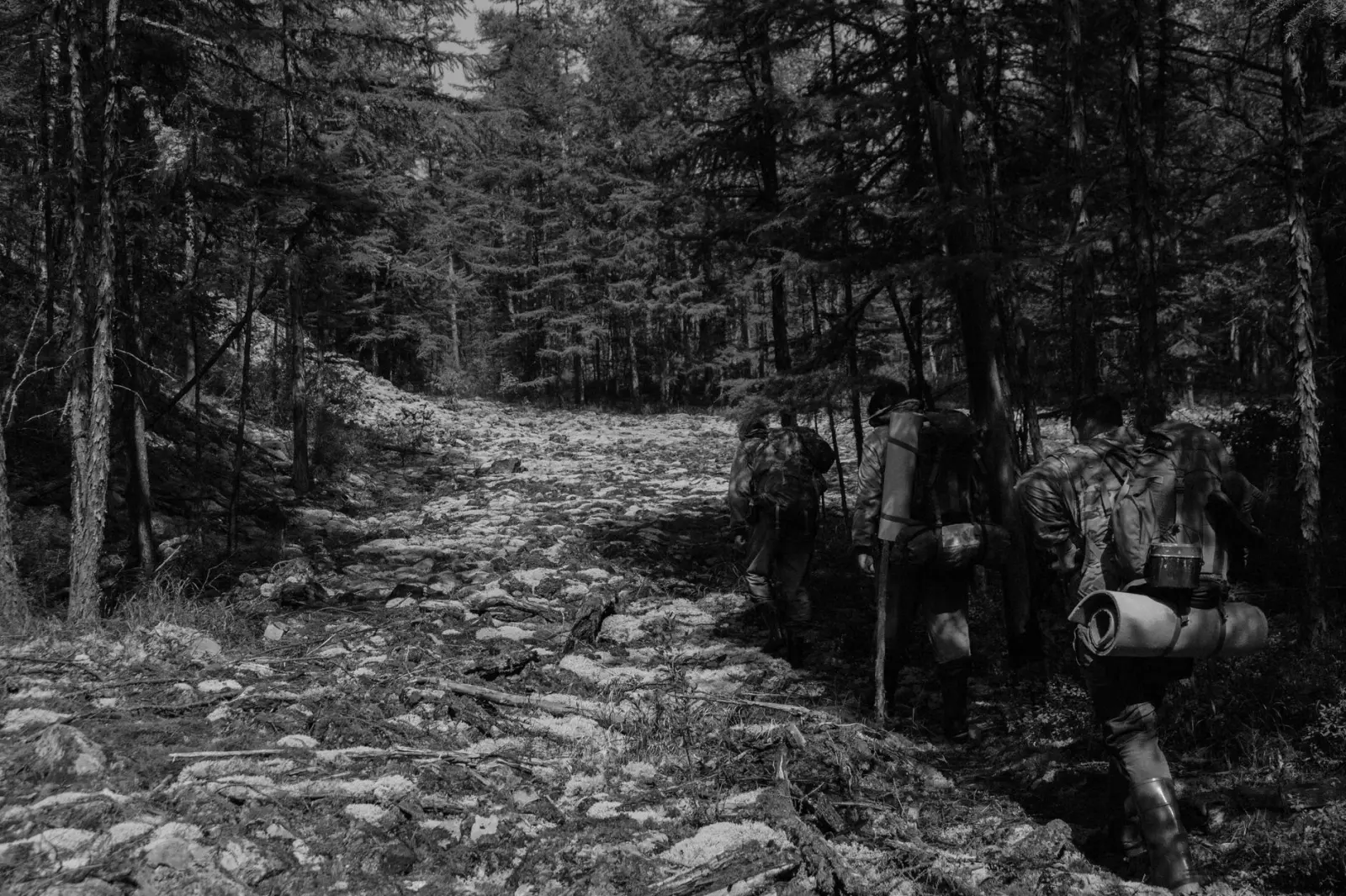
The trails themselves vary wildly. Some sections are well-maintained, cut wide, and almost groomed. Others narrow to barely shoulder-width, with vegetation pressing in from both sides. The maintenance isn’t consistent across the Rim, and it’s worth asking locally which sections have been cleared recently. A trail that’s passable in winter can become genuinely difficult to follow in summer when growth accelerates. I’ve watched people spend an hour on what should have been a thirty-minute section because the path had become obscured by new growth.
Elevation and the Deceptive Grade
The Rim’s elevation changes are relentless but not dramatic in the way that alpine terrain is. You’re rarely climbing more than 300 or 400 meters at a stretch, but the climbs are sustained. There’s no long flat section to recover on. You climb, you reach a ridge, and then immediately you’re descending into the next gully. This pattern repeats. The elevation gain on paper might look modest – say 600 meters for a full day walk – but the constant up-and-down wears on your legs differently than a single sustained climb would. Your quads fatigue, your knees take impact on every descent, and by the end of the day, you’ve accumulated far more vertical movement than the headline figures suggest.
The descents are where most people misjudge their pace. Downhill feels faster, so people push harder. But the forest floor is unforgiving. Loose soil, hidden roots, and the constant need to watch your footing means that descents take longer than they should. I’ve seen experienced walkers take a step wrong on what looked like solid ground and roll an ankle. It’s not common, but it happens often enough that it’s worth being cautious rather than confident.
Water, Weather, and Seasonal Shifts
The Scenic Rim gets significant rainfall, particularly in summer and autumn. This affects the forest in ways that aren’t always obvious. Creeks that are barely ankle-deep in winter can become serious obstacles after heavy rain. The forest floor becomes slick. What was a straightforward stream crossing becomes a genuine decision point – do you wade, do you find another route, do you turn back? I’ve been caught in afternoon storms that turned a pleasant walk into a slog through mud and reduced visibility. The canopy provides some shelter, but not as much as you’d think. Water still finds you.
Temperature in the forest is deceptive. The canopy keeps things cooler than the surrounding cleared areas, which sounds like an advantage until you realize that it also means the forest stays damp. Your clothes stay damp. Evaporative cooling doesn’t work the same way it does in open terrain. On a hot day, you might feel cooler walking in the forest, but you’re also more likely to chafe, more likely to develop blisters, and more likely to feel genuinely uncomfortable by the end of the day.
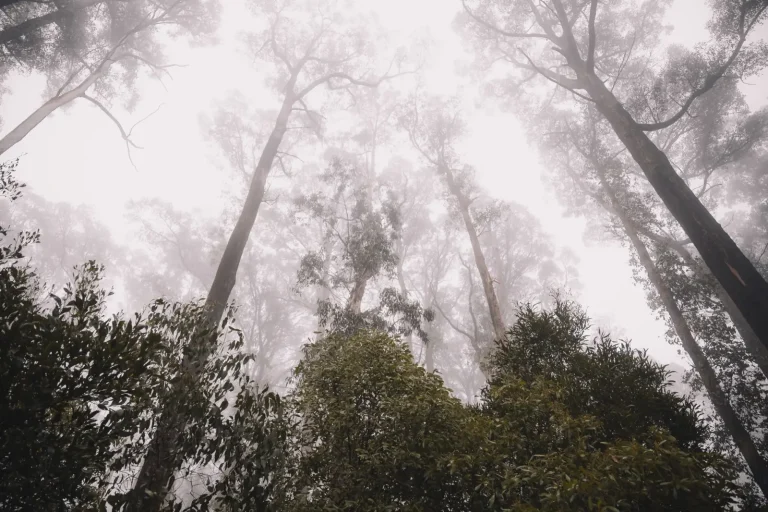
Winter is when most people attempt longer walks here, and for good reason. The weather is more predictable. But even in winter, the forest can surprise you. A clear morning can turn into a day of low cloud and mist by mid-afternoon. Visibility drops. Trails that were easy to follow become harder to navigate. This is when having a map and compass, or GPS, stops being optional and becomes essential.
Navigation and the Reality of Trail Markers
The Scenic Rim has marked trails, but the marking isn’t uniform. Some sections have blazes or cairns at regular intervals. Others rely on the trail being obvious enough that marking seems unnecessary. The problem is that “obvious” is subjective. A trail that’s clear when you’re walking downhill can be confusing when you’re retracing your steps uphill. I’ve watched people miss junctions because they were looking for a formal signpost when the trail simply forked and continued in both directions.
Getting lost here isn’t immediately dangerous, but it’s inefficient. You’ll burn energy, waste time, and potentially end up in terrain that’s steeper or more difficult than intended. Most people who get turned around eventually find their way back to a known point, but it’s a frustrating experience that could have been avoided with better attention to the route beforehand. Downloading offline maps or carrying a paper map isn’t paranoia – it’s basic sense.
Mobile signal is unreliable throughout much of the Rim. You might have coverage at the trailhead and then nothing for hours. Don’t assume you can call for help if something goes wrong. This isn’t a reason to avoid the forest, but it’s a reason to be realistic about what happens if you twist an ankle or get genuinely lost. You need to be self-sufficient, or at least walk with someone who is.
What Slows People Down Most
In my experience, the biggest factor that derails walks in the Scenic Rim isn’t the terrain itself – it’s underestimating how long things take. People arrive with a planned route that looks reasonable on paper and then discover that their pace is much slower than anticipated. A walk that should take four hours takes five or six. This matters because daylight is finite. If you’re walking in winter, sunset comes at 5 p.m. If you’re still navigating technical terrain at 4:30 p.m., you’re now walking in poor light, which makes everything harder and more dangerous.
The solution is simple but requires discipline: start early, plan conservatively, and be willing to turn back or shorten your route if you’re behind schedule. I’ve seen people push on because they were determined to complete their planned walk, only to end up hiking in the dark. It’s not dramatic, but it’s unnecessary and stressful.
The Scenic Rim rewards patience and realistic planning. The forests are genuinely beautiful, and the sense of being away from civilization is real. But that sense of remoteness comes with actual remoteness. You’re not on a maintained park trail where help is minutes away. You’re in forest that’s been there for thousands of years and will be there long after you’ve left. Respect that, plan accordingly, and the experience is worth the effort.