
After spending years moving through rainforests across Central America, Southeast Asia, and the Amazon basin with binoculars in hand, I’ve learned that the difference between a productive birdwatching walk and an exhausting trudge through humid vegetation often comes down to timing, location choice, and honest assessment of your own fitness level. Most birdwatchers arrive with romantic expectations shaped by nature documentaries, then discover that rainforests operate on their own schedule – one that rarely aligns with tourist convenience.
The first hard truth: early morning walks, ideally starting before dawn, are non-negotiable if you want to see and hear a meaningful number of birds. This isn’t optional. By 9 a.m., activity drops sharply. The heat builds, humidity becomes oppressive, and birds retreat into the canopy where they’re nearly impossible to observe. I’ve guided hundreds of people through this transition, and the ones who commit to a 5:30 a.m. start see three to four times more species than those who leave at 8 a.m. The cost is real – you’re tired, you’re moving in dim light, and your legs feel heavy on wet trails – but the payoff in bird encounters justifies the sacrifice.
Where birds actually concentrate
Rainforests aren’t uniform. Most casual walks follow the main trail system, which is convenient but often depleted of birds due to foot traffic. The productive areas tend to be where water intersects with dense vegetation: stream valleys, oxbow lakes, and the edges where forest meets open water. In my experience, a walk along a small creek produces exponentially more sightings than an equivalent distance on a main path. The birds come to water for drinking and bathing, and the vegetation around these areas tends to be denser and more structurally varied, which attracts feeding birds.
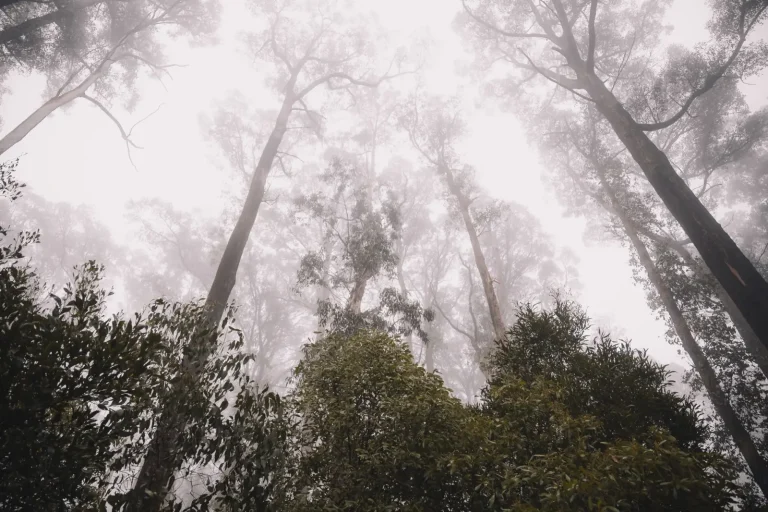
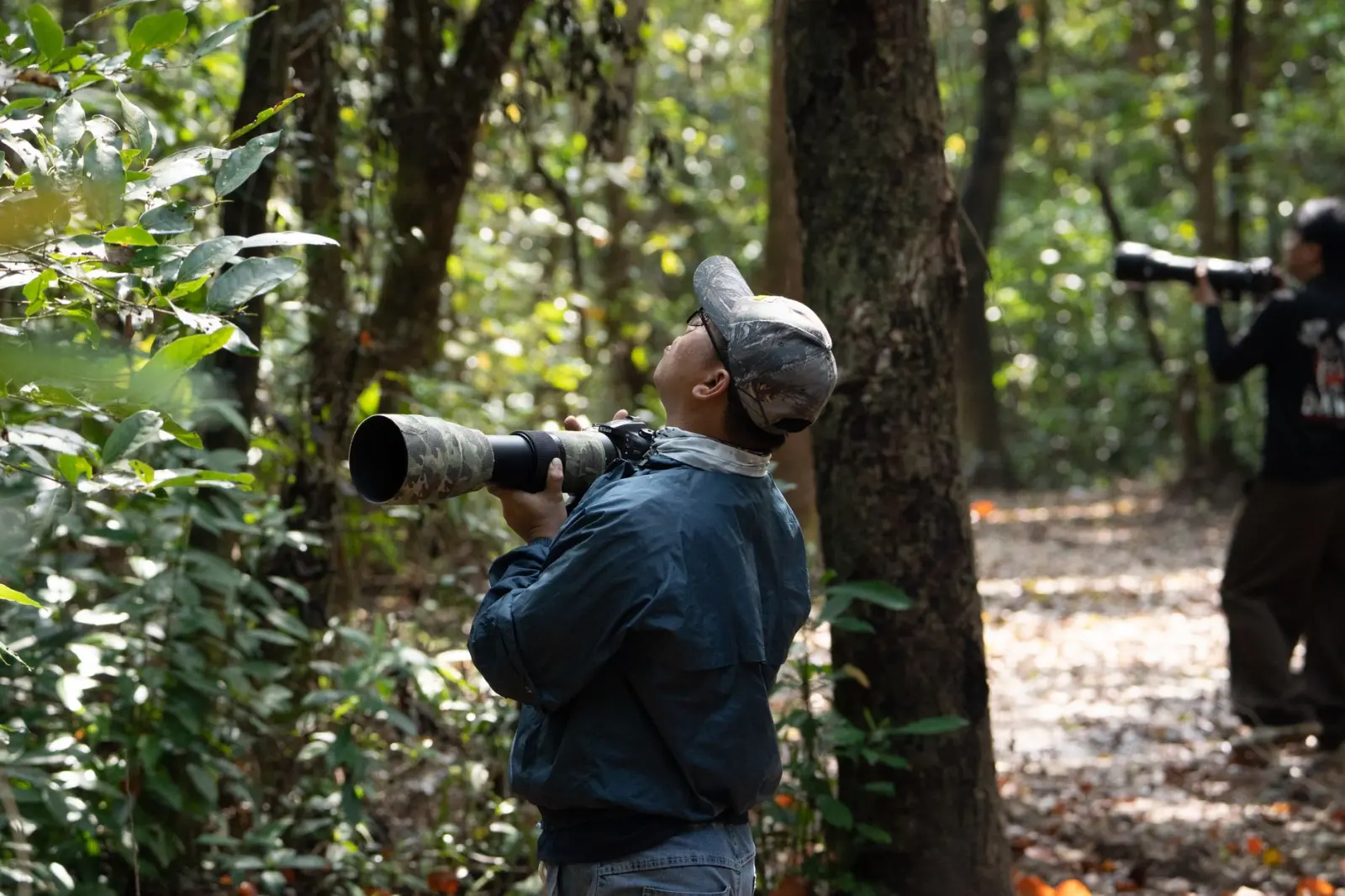
Canopy level matters too. Many rainforest birds spend their entire lives in the upper canopy, rarely descending to eye level. If you’re only watching at chest height, you’re missing entire communities of species. The best walks incorporate sections where you can look upward into the canopy without neck strain – river valleys and forest edges allow this. Trails that run along ridge tops or through areas with natural gaps offer better sightlines than dense, uniform forest.
Physical demands and pacing
Rainforest terrain exhausts people faster than they expect. The ground is often uneven, sometimes muddy, and the air is thick enough that breathing feels labored. A 5 km walk on a rainforest trail requires more energy than the same distance on a city street. I’ve seen fit people underestimate this and hit a wall halfway through, which ruins their ability to concentrate on birds. The solution is slower pacing than you’d normally choose. A productive birdwatching walk moves at 1 to 1.5 km per hour, with frequent stops. You’re not hiking to cover distance; you’re moving to position yourself in good observation spots and then waiting.
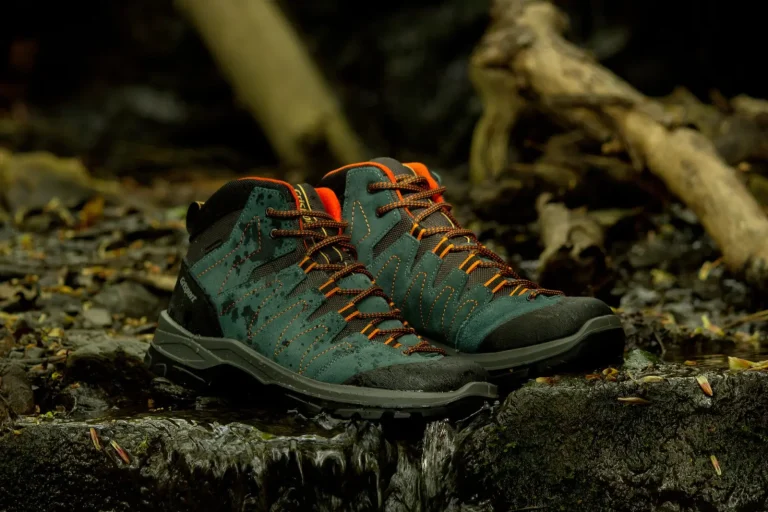
Footwear and clothing affect your performance more than most people realize. Wet feet lead to blisters, which lead to pain, which leads to distraction. Good waterproof hiking boots with decent ankle support prevent many problems. Lightweight, moisture-wicking clothing matters because cotton holds sweat and becomes heavy. The temptation to wear minimal clothing in heat is understandable but often backfires – exposed skin gets bitten, scratched, and sunburned, all of which distract you from birds.
Specific rainforest regions and their bird communities
The Osa Peninsula in Costa Rica, particularly the trails around Puerto Jiménez and Corcovado, holds some of the most accessible rainforest birdwatching in Central America. The diversity is high, and the trails are well-maintained. The trade-off is that they’re popular, which means early starts are essential. I’ve had the best results on the Rio Claro trail and the inland paths that branch away from the main Corcovado route. The scarlet macaws are reliable, but the real payoff is the trogons, motmots, and tanager flocks that move through mid-story vegetation.
The Manu National Park region in Peru offers a different experience – higher species counts, more intact forest, and far fewer people. The logistics are harder; you need a guide, you’re typically camping or staying in basic lodges, and the walks are longer and more demanding. But if you can manage the physical commitment and the isolation, the bird diversity is extraordinary. The key is choosing a lodge or tour operator that understands that quality birdwatching requires small groups and flexibility to follow bird activity rather than sticking to a fixed schedule.
In Southeast Asia, the rainforests of Borneo – particularly around Kinabalu Park and the Danum Valley – attract serious birdwatchers for good reason. The endemic species are numerous, and the forest structure is complex. The challenge here is that many of the best birds are canopy specialists, and you often hear them without seeing them clearly. A good guide who can identify birds by call becomes essential, not optional. The walks themselves are steep and muddy; I’ve found that hiring a porter to carry water and snacks makes a significant difference in sustaining energy over a full day.
Guides and local knowledge
A competent local guide is worth more than any equipment you can buy. Someone who knows the forest, understands bird behavior, and can move quietly will show you birds that you’d walk past without noticing. The difference between a guide who leads you along a trail and one who actively searches for birds – stopping to listen, scanning the canopy, and knowing where species congregate – is enormous. This isn’t about luxury; it’s about effectiveness. A guide who knows that a particular fruiting tree attracts tanagers at a specific time of year, or that a certain creek valley hosts antbirds, will multiply your sightings.
Language barriers can be real but manageable. You don’t need fluent conversation; you need someone who can identify birds, communicate locations, and explain behavior. Many guides in popular birdwatching destinations speak enough English or have learned the English names of common species. What matters more is their patience and willingness to stop and wait rather than keep moving.
Equipment and practical considerations
Binoculars are the only non-negotiable piece of gear. Everything else is secondary. A decent pair of 8×42 or 10×42 binoculars will serve you well across different rainforest situations. Cheap binoculars create eye strain and frustration; it’s worth the investment. A field guide specific to your region helps confirm identifications, though a guide who knows the birds reduces your dependence on books. A notebook for recording sightings keeps you engaged and helps you remember details later.
Insect repellent, sunscreen, and a basic first aid kit are practical necessities. Mosquitoes in rainforests can carry dengue and malaria in some regions; protection is important. Hydration is critical – carry more water than you think you’ll need. The humidity makes you sweat without feeling it, and dehydration sneaks up on you.
Patience is the most underrated asset. Birdwatching in rainforests involves long stretches of waiting and listening, punctuated by brief moments of intense activity. Some walks produce dozens of sightings; others feel quiet. This variation is normal. The birds aren’t performing for your schedule; they’re living their lives according to weather, food availability, and breeding cycles. Accepting this removes frustration and lets you stay present.