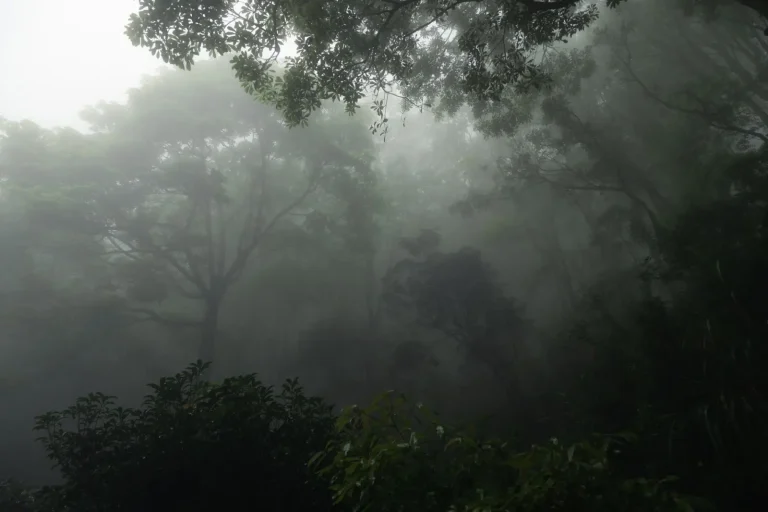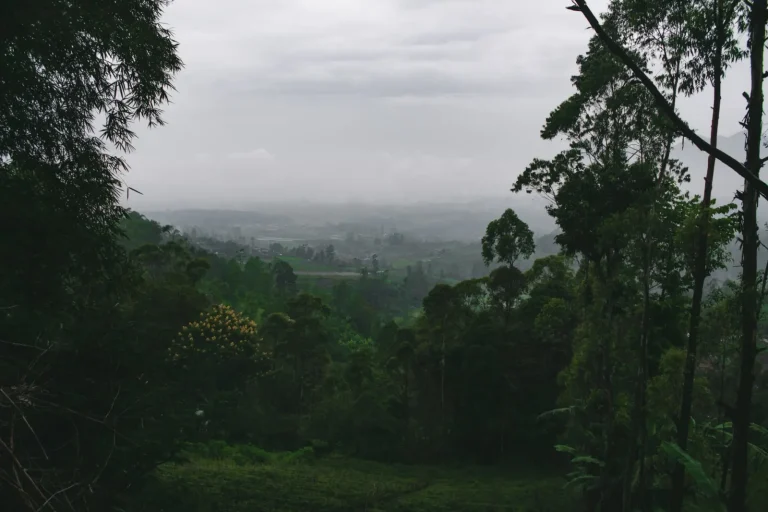

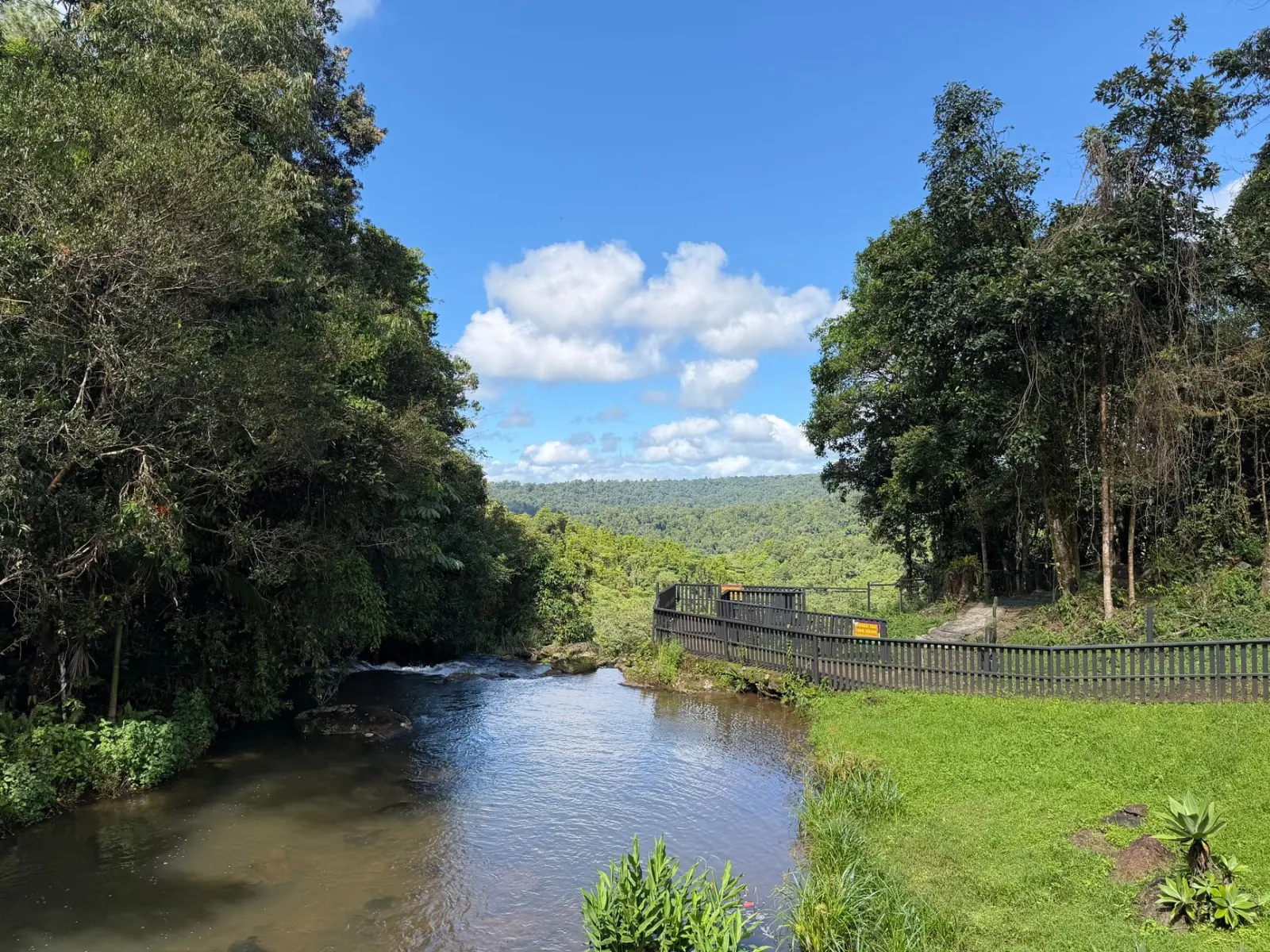
After spending years moving between rainforest pockets across Queensland, I’ve learned that the difference between a memorable picnic and a frustrating one rarely comes down to scenery. The view matters, sure, but what actually determines whether you’ll enjoy your meal is whether you’ve chosen a spot where the basics function – shade that doesn’t disappear by noon, a place to sit that isn’t actively hostile to your back, and parking that doesn’t require a forty-minute walk beforehand.
The rainforests around Queensland’s coast and hinterland are genuinely spectacular. What catches most people off guard is how the logistics shift depending on where you go. A spot that works brilliantly in June becomes nearly unbearable by February. The humidity changes how food behaves, how long you can comfortably stay outside, and what your body actually needs to eat. I’ve watched people show up with elaborate charcuterie boards in midsummer and abandon them half-finished because mayonnaise-based anything becomes a liability in 85% humidity and 28 degrees.
Lamington National Park: The Reliable Option
Lamington sits in the Gold Coast hinterland, about ninety minutes from the coast depending on traffic. The park has several established picnic areas, and the one near the Rainforest Gardens at Green Mountains is the one that actually functions well for eating. There’s a proper shelter with tables, and it’s close enough to the car park that you’re not hauling everything uphill. The walk from the parking area is maybe five minutes, which matters more than people realize when you’re carrying food and water in Queensland heat.
What works here is the elevation. You’re at around 600 meters, so even on warm days the temperature sits maybe five degrees cooler than the coast. The shade is consistent because you’re under old growth rainforest canopy, not the broken, patchy shade you get in younger regrowth areas. I’ve had picnics here in November that were genuinely pleasant rather than endurance tests. The ground is relatively level, and there’s enough space that you don’t feel cramped against other families.
The catch is that this spot is popular, especially on weekends. If you arrive after 10 a.m. on a Saturday, the car park fills and you’ll be redirected to overflow parking further away. The picnic area itself doesn’t get uncomfortably crowded, but you lose the convenience factor. Weekday visits, particularly mid-week, give you the space without the logistics headache. Also, the walking tracks from this area are genuinely worth doing if you’ve come this far. The Rainforest Gardens circuit is short and flat, and it gives you something to do if the picnic is just the anchor point rather than the whole activity.
Daintree National Park: Mossman Gorge and Beyond
Mossman Gorge is the obvious choice in Daintree, and it’s obvious for a reason. The gorge itself is stunning, and there’s a dedicated picnic area with tables and shelter. The drive from Cairns is about an hour, and you’re in one of Australia’s oldest rainforests. The water in the gorge is cold and clear, and the whole experience feels genuinely removed from the everyday.
What I’ve noticed is that Mossman works best if you’re prepared for the crowds and the specific timing constraints. The car park genuinely fills on weekends, sometimes by mid-morning. There’s a shuttle bus system that helps manage this, but it adds another layer of logistics. If you’re driving your own vehicle, you need to arrive early or accept that you’ll be parking further away. The picnic area itself is pleasant but not large, so on busy days you’re eating shoulder-to-shoulder with other visitors.
The humidity here is substantial. You’re in tropical rainforest, close to the coast, and even in the cooler months the air holds moisture. Food that relies on cold storage – deli meats, soft cheeses, anything mayo-based – starts degrading within a couple of hours. I’ve shifted toward picnics here that center on items that actually improve or stay stable in heat: good bread, hard cheeses, cured meats that are meant to be shelf-stable, fresh fruit, nuts. A thermos of cold water or tea matters more than you’d think.
If Mossman feels too busy, the Daintree Discovery Centre has a smaller picnic area that’s less crowded. It’s a different experience – more manicured, less dramatically scenic – but the logistics are easier. You’re paying entry to the discovery centre, which filters the crowd somewhat. The picnic area is quieter, and you’re still in rainforest, still getting that sense of being in something old and substantial.
Kondalilla Falls and the Sunshine Coast Hinterland
Kondalilla National Park, near Montville, is one of those spots that feels less obvious than the bigger parks, which means it tends to be quieter without being remote. The falls themselves are the draw, and there’s a picnic area near the car park with shelter and tables. The walk to the falls is about fifteen minutes, so it’s accessible without being trivial.
This area works particularly well in shoulder seasons – April through May, and September through October. The temperature is warm but not punishing, and the humidity is lower than it gets in summer. I’ve had some of the most straightforward picnics here because the conditions actually cooperate. Your food stays stable longer, you’re not fighting heat exhaustion while trying to eat, and the water in the falls is cold enough to be genuinely refreshing if you want to wade in afterward.
The Sunshine Coast hinterland has several other spots worth considering. Mapleton Falls, Obi Obi Gorge, and Eumundi Gorge all have picnic facilities and rainforest setting. None of them have the dramatic reputation of Lamington or Daintree, which is partly why they’re easier to actually enjoy. The crowds are lighter, the facilities are adequate, and you’re still in genuine rainforest. Mapleton Falls in particular has a good picnic area with shelter, and the walk to the falls is straightforward enough that you can do it before or after eating without major exertion.
Atherton Tablelands: Elevation and Accessibility
The Atherton Tablelands, inland from Cairns, contain several rainforest pockets at higher elevation. Millaa Millaa Falls and the surrounding area have picnic facilities, and the elevation – around 750 meters – makes a real difference to how comfortable you are. The temperature is noticeably cooler than Cairns or the coast, and the humidity, while still present, is less oppressive.
What I’ve found is that the Tablelands work well if you’re already in the region or willing to make it a full day trip. The drive from Cairns is about an hour and a half, and once you’re there, you can string together multiple falls and picnic spots in a logical route. Millaa Millaa, Zillie Falls, and Eacham Falls are all within reasonable driving distance of each other. You could picnic at one, walk around, move to another spot for afternoon tea.
The picnic areas here are less developed than at the major parks, but that’s not necessarily a drawback. There are tables and shelter, but they’re simpler. The trade-off is that you get more space and fewer people. The rainforest here is also different – it’s subtropical rather than tropical, with different plant species and a different feel. If you’ve done Daintree or the coastal parks, the Tablelands offer something genuinely different within Queensland.
One practical note: the Tablelands are inland, so the weather can change quickly. I’ve had picnics here interrupted by sudden rain that came through in minutes. It’s not a reason to avoid the area, but it’s worth checking the forecast and being prepared to move your picnic to a shelter or cut it short if storms develop. The upside is that rain in the Tablelands cools everything down dramatically, which can actually be welcome in the warmer months.
After years of eating in Queensland rainforests, I’ve stopped thinking about picnics as something that happens despite the environment. The environment is the constraint you’re working within. Pick a spot where the logistics support what you want to do, arrive early enough to have options, and bring food that actually works in the conditions you’ll face. The scenery will be there regardless. What makes the difference is whether you’re comfortable enough to actually notice it.