
Spend enough time in recovering forests, and you start to notice the birds before you notice much else. They arrive in waves – sometimes dozens of species in a single morning – moving through the canopy with purpose, stripping berries and drupes from whatever fruiting trees have established themselves. What looks like casual feeding is actually the mechanism that determines whether a degraded patch of land becomes forest again or stays trapped in scrub.
I’ve watched this happen across different continents and climate zones, and the pattern is consistent enough that it stops feeling like coincidence. Where fruit-eating birds move freely, seed rain follows. Where they’re absent or suppressed, regeneration stalls. The relationship isn’t metaphorical – it’s the primary driver of how forests actually rebuild themselves after clearing, fire, or abandonment.
The Mechanics of Seed Dispersal
Birds that eat fruit don’t digest seeds the way they digest pulp. Most seeds pass through their gut intact, often softened by stomach acids in ways that actually improve germination rates. A bird feeding on berries from a pioneer tree – say, a cecropia or fig – will consume dozens or hundreds of seeds in a single feeding session. It then flies, sometimes for considerable distances, before defecating. That single bird can deposit seeds across multiple hectares in a day.
The distance matters more than people typically assume. A seed dropped directly beneath its parent tree faces intense competition and high predation pressure. Seeds dispersed by birds land in scattered locations, many of them far enough away that they avoid the parent’s shadow and the concentrated seed predators that lurk beneath fruiting trees. This spatial distribution is not incidental – it’s essential. Without it, most seeds never establish.
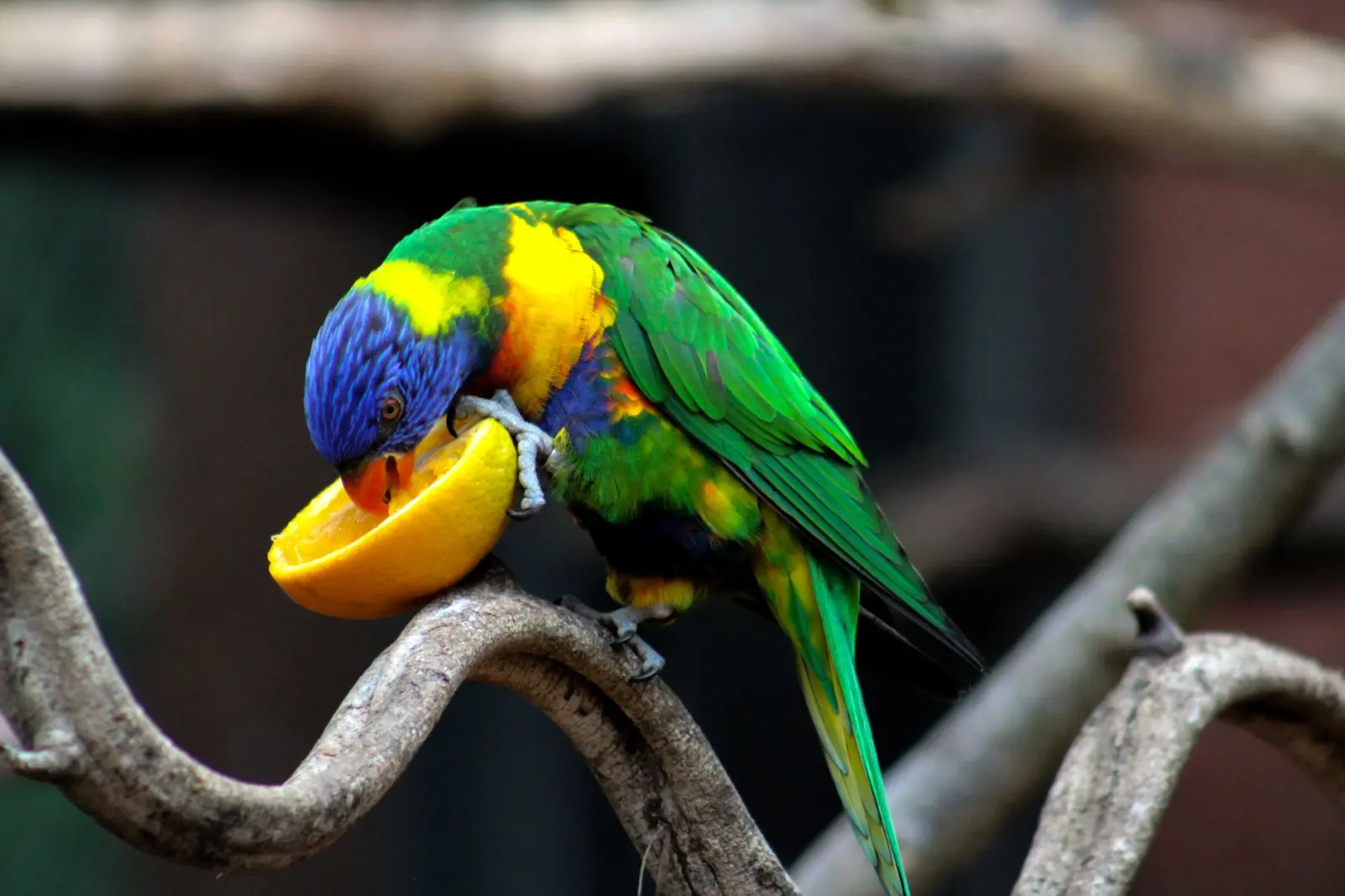
Different bird species have different ranges and feeding behaviors. Larger frugivores like toucans and parrots move farther and carry seeds to more distant locations. Smaller tanagers and flycatchers work the middle distances. Ground-feeding species deposit seeds in different microhabitats entirely. This diversity of dispersal vectors means seeds end up in a wider variety of conditions, increasing the probability that at least some will land in suitable germination spots.
Why Degraded Areas Need This System
In intact forests, seed dispersal by birds is one process among many. In degraded or recovering landscapes, it becomes the primary mechanism. Wind dispersal works poorly in open areas. Water dispersal requires proximity to streams. Animal dispersal by mammals is limited where large herbivores have been hunted out or where habitat fragmentation has reduced connectivity. Birds, by contrast, can move across fragmented landscapes in ways that other dispersers cannot.
I’ve observed this most clearly in cattle pastures that have been abandoned. The first woody plants to establish are usually pioneer species – fast-growing, prolific fruiting trees that birds find attractive. These pioneers create shade, improve soil conditions, and most importantly, produce fruit that attracts more birds. Once that bird traffic increases, the rate of seed arrival accelerates dramatically. Within a few years, what looked like permanent pasture begins to transition back toward forest structure.
The process isn’t automatic. The availability of fruiting trees in the surrounding landscape determines how quickly birds arrive. If the nearest intact forest is kilometers away, or if intervening land is too open or hostile, bird traffic remains minimal and regeneration stalls. This is why forest fragmentation is so consequential – it doesn’t just reduce habitat directly, it disrupts the dispersal networks that allow degraded areas to recover.
Seed Predation and Establishment Rates
Dispersal solves one problem but creates another. Seeds deposited by birds still face predation from rodents, insects, and other seed-eating animals. However, the scattered deposition pattern reduces predation pressure compared to what would occur under the parent tree. A rodent population can’t consume all seeds across a wide area the way it can concentrate on a seed pile beneath a fruiting tree.
Germination rates also depend on where seeds land. A seed deposited on bare soil in full sun may dry out before germinating. One landing in leaf litter with adequate moisture and shade has much better odds. Birds don’t consciously select optimal microsites, but their feeding behavior and movement patterns mean seeds end up in a range of conditions. Some fraction will be in suitable spots. In a truly degraded landscape with no seed source at all, even a low establishment rate represents significant progress.
The timing of seed arrival matters as well. Seeds need to arrive during or just before the rainy season to have a reasonable chance of germinating and establishing. Bird fruiting phenology – the timing of fruit production – has evolved to align with seasonal rainfall patterns. This synchronization means that seed dispersal by birds tends to happen when conditions favor germination, another reason why this system is so effective.
Building the Fruiting Network
Early-stage forest recovery depends on establishing enough fruiting trees to sustain bird populations. This creates a feedback loop. Pioneer species fruit prolifically and attract birds. Those birds disperse seeds of other pioneer species and, increasingly, seeds of later-successional trees that may be present in the seed rain from surrounding forests. As the forest becomes more diverse and productive, it attracts a wider range of bird species, which in turn brings in seeds from a broader palette of forest trees.
The composition of that fruiting network determines which birds arrive and which seeds get dispersed. In tropical forests, the diversity of fruiting phenologies – different trees fruiting at different times – ensures year-round food availability and maintains resident bird populations. In recovering forests with limited fruiting diversity, bird populations may be seasonal or sporadic. This can create bottlenecks where certain seed types don’t get dispersed effectively because the birds that carry them aren’t present when those seeds are ripe.
I’ve seen this play out in secondary forests that were regenerating after agricultural abandonment. The early years were dominated by a handful of pioneer species. Bird diversity was lower than in intact forest. But as the forest matured and fruiting diversity increased, bird populations expanded and the rate of seed arrival for later-successional species accelerated. The system had its own momentum once it reached a certain threshold.
Practical Constraints and Limitations
This process works well when certain conditions are met. There needs to be a seed source nearby – intact forest or scattered fruiting trees within bird-flight distance. There needs to be enough protection from livestock or other disturbance to allow seedlings to establish. And there needs to be adequate rainfall to support germination and growth.
Where these conditions don’t align, bird-mediated regeneration stalls. In arid regions, even with active bird dispersal, water availability becomes the limiting factor. In heavily grazed areas, seedlings get browsed before they can establish. In landscapes where all nearby forests have been cleared, there’s no seed source to disperse.
The presence of invasive species can also disrupt the process. Some invasive plants produce fruit that attracts birds but don’t support forest succession. Birds may disperse seeds of invasive competitors rather than native forest species. In these cases, the dispersal mechanism is still active, but it’s working against forest recovery rather than supporting it.
Understanding how fruit-eating birds function in forest regeneration changes how you interpret what you see in recovering landscapes. A sudden increase in bird activity signals that the system is beginning to self-sustain. The appearance of diverse fruiting trees suggests that seed dispersal networks are becoming established. These aren’t minor details – they’re indicators that degraded land is actually transitioning back toward forest, driven by processes that operate independently of human intervention once they’re set in motion.