After years of working with restoration projects across different rainforest regions, I’ve learned that the most common mistake is underestimating how long genuine recovery actually takes. People see a cleared plot and imagine that planting trees will bring the forest back within a decade or two. The reality is far more complicated. A rainforest isn’t simply a collection of trees standing in the same place – it’s an intricate network of relationships that took centuries or millennia to develop, and rebuilding it requires patience measured in decades, sometimes longer.
The first barrier most people don’t anticipate is soil degradation. When a rainforest is cleared, whether for logging, agriculture, or development, the exposed soil begins to change almost immediately. The leaf litter that normally blankets the forest floor – that rich, dark material teeming with fungi and microorganisms – gets washed away or breaks down without the shade and moisture that kept it stable. The soil compacts under rain and sun. Nutrients that were locked in the standing biomass are gone. What remains is often depleted, sometimes almost sterile, depending on how long the land was used and how intensively.
Rebuilding soil fertility is not a matter of adding fertilizer and moving on. The microbial communities that make tropical soil function – the fungi that form partnerships with tree roots, the bacteria that cycle nutrients, the countless organisms that create soil structure – have to reestablish themselves. This happens slowly, often over 15 to 20 years or more. I’ve seen sites where early plantings failed not because the trees were poorly selected, but because the soil simply couldn’t support them. The mycorrhizal networks that trees depend on weren’t present yet. Without those fungal partnerships, even well-adapted species struggle.
The Species Reestablishment Problem
A mature rainforest contains hundreds or thousands of plant and animal species, many of them interdependent in ways that aren’t obvious. Certain trees only fruit when specific pollinators are present. Some animals disperse seeds that no other species will. Predators control herbivore populations. Remove the forest and you remove all of these relationships at once. Replanting trees alone doesn’t restore them.
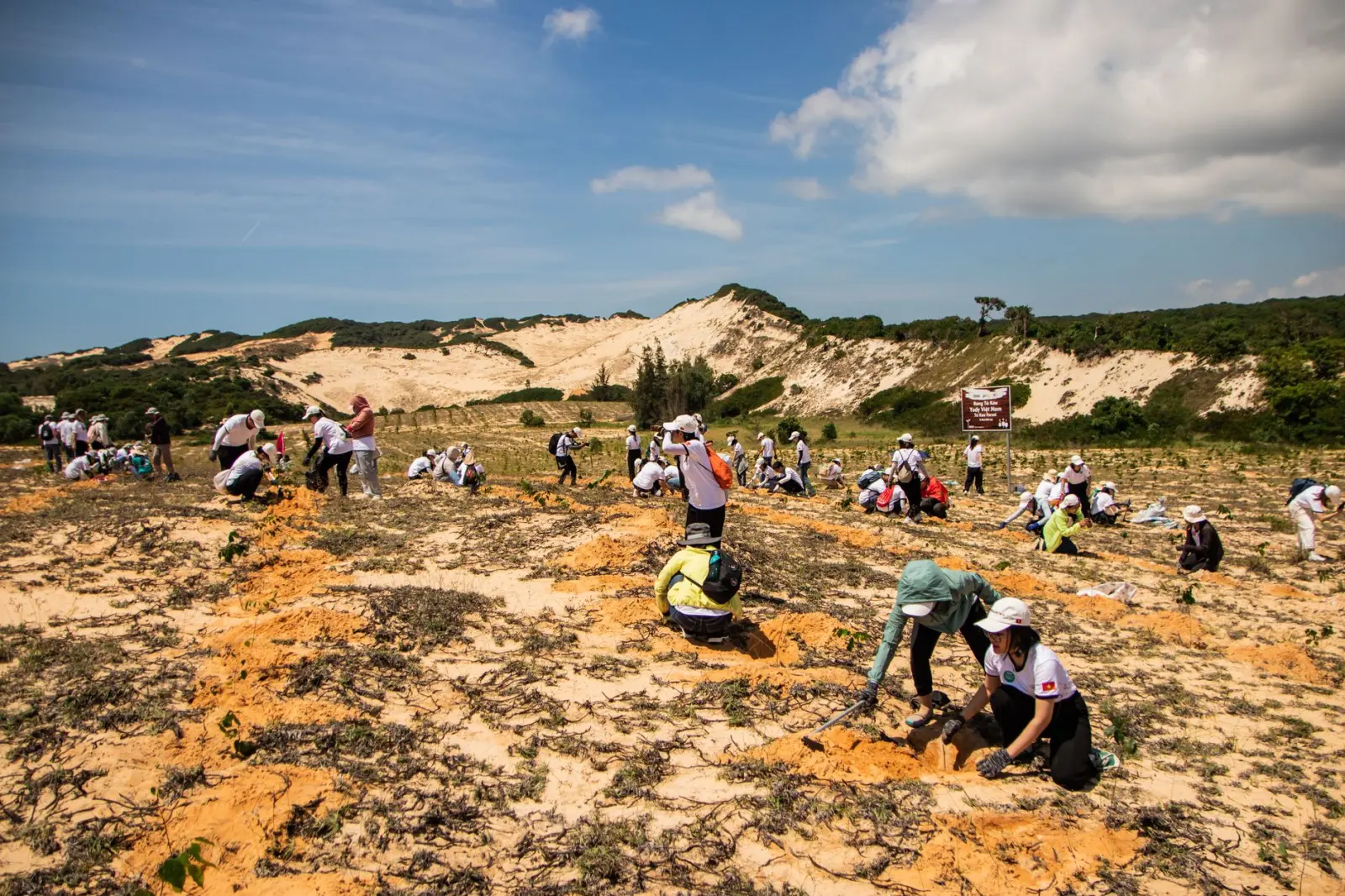
In the early stages of restoration, you might plant pioneer species – fast-growing trees that can handle harsh conditions and begin to shade the ground again. These are necessary, but they’re not the endpoint. As they grow, they create conditions where slower-growing, shade-tolerant species can eventually establish themselves. But those slower species won’t arrive on their own if the landscape is too fragmented. If your restoration site is isolated from other forest patches, seed dispersal becomes a bottleneck. Birds and animals that would normally carry seeds across the landscape may not venture into a small, recovering forest. You can plant seeds manually, but you’re essentially doing the work that would have happened naturally – and doing it imperfectly, because you can’t replicate the full complexity of natural dispersal.
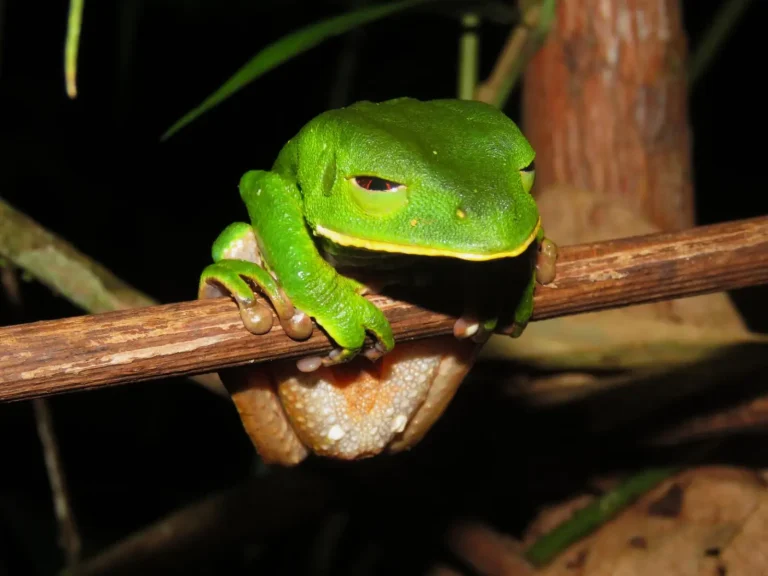
The fauna returns even more slowly than the flora. Insects take years to reestablish. Birds follow when there’s enough food and shelter. Larger animals – jaguars, tapirs, primates – may not return for decades, if at all, depending on how isolated the site is and whether corridors exist to other forest areas. I’ve worked on sites where the canopy was closing in nicely after 15 years, but the animal diversity was still a fraction of what it should be. The forest looked more complete, but it was still functioning as an incomplete system.
Structural Complexity and Canopy Development
A rainforest has layers – the emergent canopy with the tallest trees, the main canopy, the understory, the shrub layer, the forest floor. Each layer has its own microclimate and its own community of species. Creating that structure takes time. You can’t plant a 100-year-old tree. The large, old-growth trees that anchor the canopy and provide shelter for countless other species have to grow from smaller individuals, and that process simply can’t be rushed.
In the first 10 to 15 years of restoration, you see rapid growth in pioneer species and some of the faster-growing secondary forest trees. The canopy closes, which is visible progress and psychologically important for stakeholders. But the real structural development – the emergence of larger trees, the development of a complex understory, the accumulation of dead wood that provides habitat for thousands of species – continues for 30, 40, 50 years or more. I’ve visited restoration sites that look green and productive at 20 years but are still structurally simple compared to mature forest. The tallest trees are still only 60 or 70 feet high when they should be 150 feet. The canopy is dense but relatively uniform in height.
This structural simplicity has cascading effects. Certain bird species won’t nest in forests that lack the tall emergent trees. Insects that depend on specific microhabitats – the hollows in old trees, the accumulated leaf litter in the understory, the gaps created by fallen giants – are absent. A forest that looks recovered to a casual observer is still missing critical complexity.
Climate and Hydrology Lag Behind Vegetation
One aspect of rainforest recovery that’s often overlooked is the hydrological cycle. A mature rainforest regulates its own moisture. Trees release water through transpiration, creating local humidity and rainfall patterns. The leaf litter and soil structure retain water during dry periods. When you remove the forest, these systems break down. The land becomes drier. Rainfall runs off rather than soaking in. Streams that were perennial become seasonal.
Replanting trees begins to reverse this, but slowly. It takes years for the canopy to become dense enough to significantly influence local humidity. It takes longer for the soil to regain its water-holding capacity. In some regions, this delay can create a feedback loop where the recovering forest remains drier than it should be for several decades, which slows growth and makes the site more vulnerable to fire or drought stress. I’ve seen restoration efforts in areas where the first 15 years were marked by periodic water stress, even though the site was in a region that receives substantial rainfall.
The local climate doesn’t fully stabilize until the forest structure is reasonably complete and the soil has recovered its capacity to regulate moisture. This is another reason why timelines measured in 20 to 30 years are realistic, not pessimistic.
Rainforest restoration is possible, and it’s necessary work. But it requires accepting that genuine recovery operates on a different timescale than human planning cycles. The forest didn’t develop in a few years, and it won’t recover in a few years. Success means committing to management and monitoring for decades, accepting that visible progress will plateau after the initial rapid growth phase, and recognizing that full functional recovery may extend beyond the lifetime of the people who initiated the project. That’s not a failure of restoration – it’s simply the reality of working with systems that are fundamentally slow and deeply complex.