
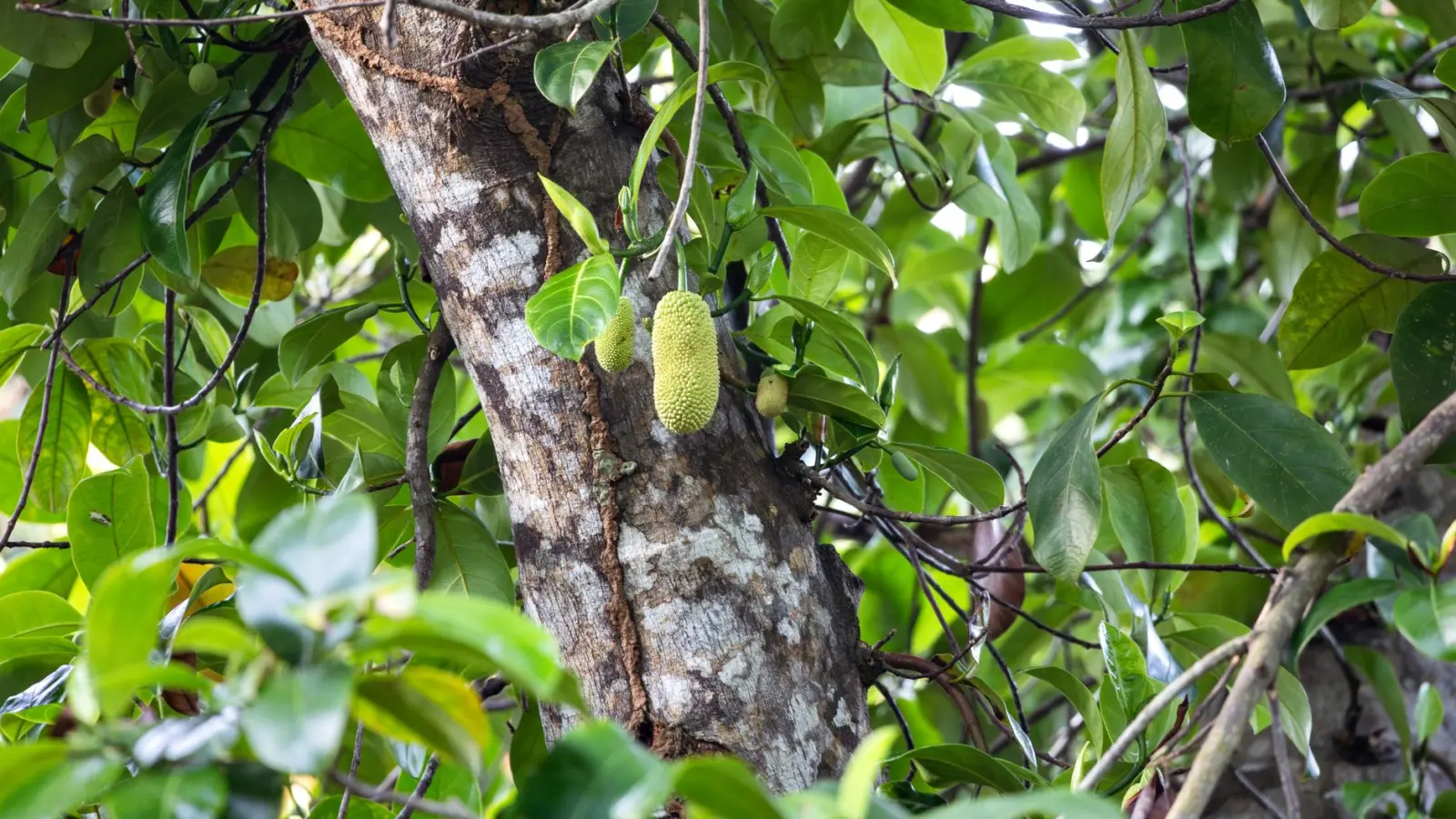
Spend enough time in a rainforest and you stop thinking about seasons the way you do elsewhere. There’s no autumn cleanup, no spring awakening. Instead, you notice that fruiting happens constantly – not all trees at once, but enough that something is always ripening somewhere. This isn’t random. It’s a direct response to the conditions rainforests create and the pressures that shape survival there.
The most obvious driver is climate stability. Unlike temperate forests where winter shuts everything down, rainforests maintain warm, humid conditions year-round. There’s no metabolic cost to waiting for spring. A tree doesn’t need to time its reproduction around a narrow window of favorable conditions. It can fruit whenever its energy reserves and flowering cycle align. This removes one of the major constraints that forces temperate trees into synchronized, seasonal reproduction.
But constant climate alone doesn’t explain constant fruiting. You also have to consider what’s actually competing for resources underground and in the canopy. Rainforests are dense. Space is limited. Light is limited. Nutrients cycle quickly but aren’t abundant in the soil itself – most are locked in living biomass. A tree that waits to fruit is a tree that might not get another chance. Competitors are always growing, always reaching for the same light and water. Fruiting regularly, even in small amounts, spreads the risk. If one flowering event fails due to poor pollination or pest damage, another is coming soon.
Pollinator Availability and Timing
This is where the ecology gets tighter. Rainforests don’t have a single pollinator season. They have dozens of pollinator species active at different times, and those species have their own population cycles. A tree that flowers only once a year in a rainforest is betting heavily on the right insects or birds showing up at the right moment. The odds are worse than you’d think. Pollinators are specialized. A fig wasp only pollinates figs. A hummingbird species might prefer flowers of a specific color and shape. If that pollinator’s population crashes – due to disease, competition, or resource scarcity – a tree that relied entirely on that one window is out of luck for the year.
Trees that fruit continuously or semi-continuously hedge this bet. They’re not trying to maximize seed production in a single event. They’re trying to ensure that at least some flowers get pollinated, across multiple attempts. This is less efficient in energy terms, but it’s more reliable. I’ve watched this play out in real time: a tree flowers, gets poor pollination, then flowers again weeks later. The second flowering catches a different set of pollinators, or the same ones at higher population density. Some seeds get made.
Seed Dispersal and Competition
Once fruit is produced, timing matters differently. Rainforest seeds face intense competition. The forest floor is packed with seeds, seedlings, fungi, and insects. A seed that falls and sits has a short window before something eats it or a pathogen kills it. Continuous fruiting means continuous seed rain. Some seeds will land in microsites where conditions are just right – a gap in the canopy, a rotting log, a spot with the right moisture and light. If you only fruit once a year, you’re gambling that your seeds land in one of those rare good spots. If you fruit multiple times, you increase your odds.
This is also about swamping predators. In a rainforest, there are always animals eating seeds. Rodents, insects, birds – they’re specialized seed predators. If a tree produces a massive fruit crop all at once, predators gorge themselves, but they also breed up in response. By the time the next generation of that tree is fruiting, there are more predators waiting. A tree that produces fruit steadily, in smaller amounts, doesn’t trigger that predator population boom. It keeps predator numbers manageable relative to seed production.
Energy Allocation and Growth
There’s a real cost to fruiting continuously. It takes energy. A tree has to allocate resources between growth, maintenance, defense, and reproduction. In a rainforest where competition is constant, you might think a tree should invest everything in growing taller and wider to capture more light. But the math doesn’t work that way. A tree that doesn’t reproduce is a tree that doesn’t pass on genes. Even if it grows massive, if it never fruits, it’s an evolutionary dead end.
Rainforest trees have evolved to balance these pressures. Many produce fruit in smaller quantities more often, rather than putting all energy into one big crop. This is energetically cheaper than the boom-bust cycle of temperate trees. A rainforest tree doesn’t need to store massive reserves to fuel a single reproductive event. It can spread the metabolic cost across the year, drawing on the steady energy flow from photosynthesis in a stable climate.
I’ve noticed that the pattern varies by species and by individual tree condition. A healthy, well-established tree in good light might fruit more heavily and more frequently than a stressed tree in the understory. A young tree competing hard for resources might fruit less often until it reaches the canopy. But the underlying pressure is consistent: in a rainforest, there’s no advantage to waiting. Fruiting regularly, in whatever quantity the tree can manage, is the strategy that works.
The continuous fruiting you see in rainforests isn’t a sign of abundance or ease. It’s a sign of pressure. It’s a response to intense competition, unpredictable pollinator availability, and the constant threat of seed predation. It’s also a reflection of climate stability that allows a tree to invest in reproduction without the risk of a harsh season wiping out the effort. This strategy has shaped rainforest structure for millions of years, and it’s why these forests are so productive and so biodiverse. Every tree fruiting regularly means every animal in the forest has a steady, if modest, food source. That reliability is what sustains the extraordinary complexity of rainforest ecosystems.