
Border Ranges National Park sits on the Queensland-New South Wales border, and its rainforest interior presents a particular kind of navigation puzzle. I’ve spent enough time moving through those trees to know that the experience rarely matches what people expect from the photographs. The forest here is dense, layered, and disorienting in ways that don’t become obvious until you’re actually inside it.
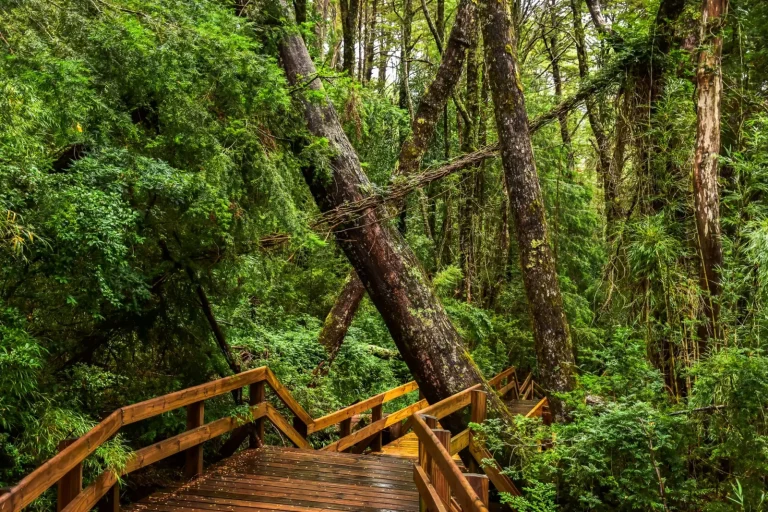
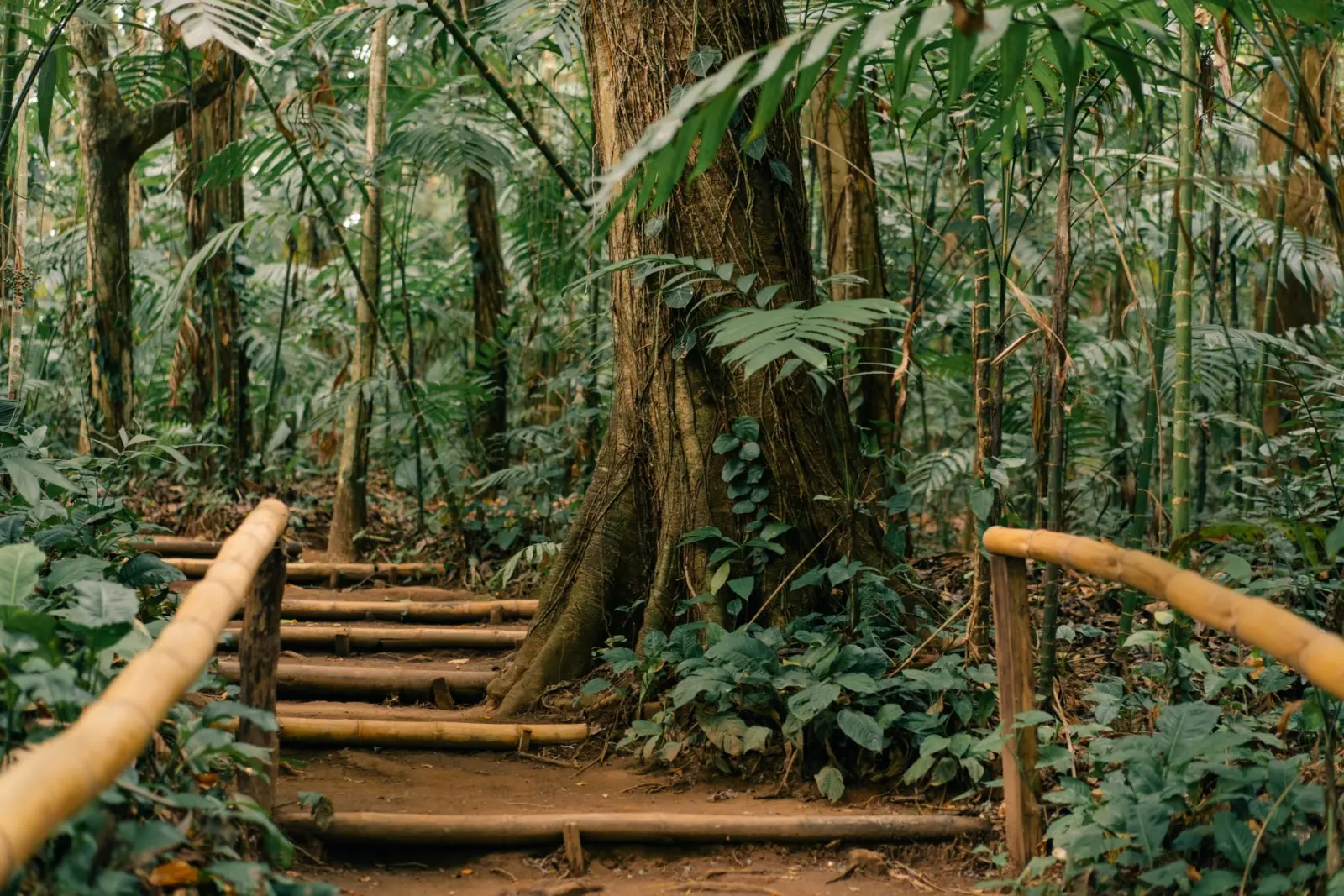
The subtropical rainforest canopy is thick enough that light becomes a commodity. On a clear day outside the park, you might have full sun. Twenty metres into the forest, you’re walking in permanent dusk. This affects more than just visibility. It changes how you perceive distance, how quickly you tire, and how easy it is to maintain a sense of direction. The ground is also uneven in a way that photographs don’t convey – roots, rocks, and fallen debris create a constant minor obstacle course that demands attention on every step. It’s not dangerous terrain, but it’s fatiguing terrain, and that distinction matters when you’re planning a walk.
Trail Conditions and Seasonal Variation
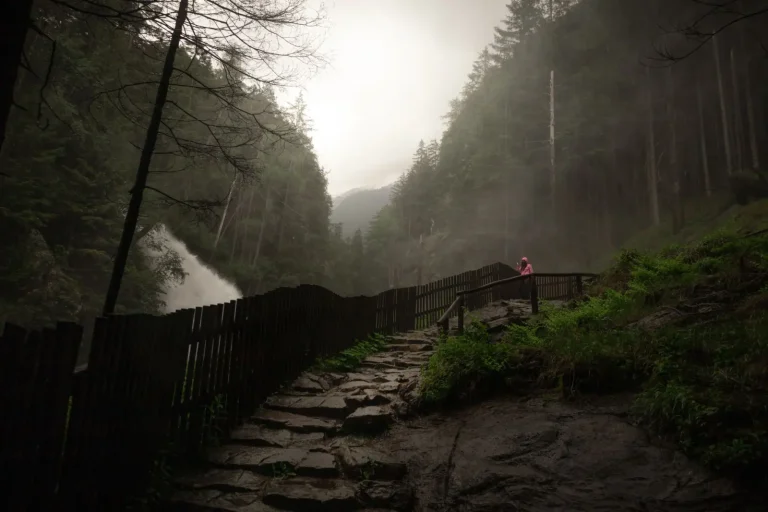
The main walking tracks are reasonably well-maintained, but “well-maintained” in a rainforest context means something different than it does in drier environments. After rain, the forest floor becomes slippery. Not dramatically so, but enough that you need to adjust your footing constantly. The park receives significant rainfall, particularly in the warmer months, and the trails can remain damp for days after a storm passes. Mud isn’t usually deep, but it’s persistent, and it accumulates on boots in a way that makes each step feel heavier than it actually is.
Winter months – June through August – bring cooler temperatures and lower rainfall, making the walking more comfortable. The forest is still wet, but the air is cooler, and you won’t be dealing with the humidity that makes summer walks exhausting. Spring and early summer, September through November, can be deceptive. The weather looks pleasant from a distance, but the forest itself is often waterlogged from winter rains, and the humidity builds quickly once you’re moving through dense vegetation.
I’ve noticed that people often underestimate how much the canopy density affects pace. A track that might take 45 minutes in open country can take significantly longer here, not because the distance is greater, but because the terrain demands slower, more deliberate movement. The uneven ground, the need to watch footing, and the psychological effect of reduced light all combine to slow you down naturally. This isn’t something you can overcome with fitness or determination – it’s simply how the forest works.
Navigation and Orientation
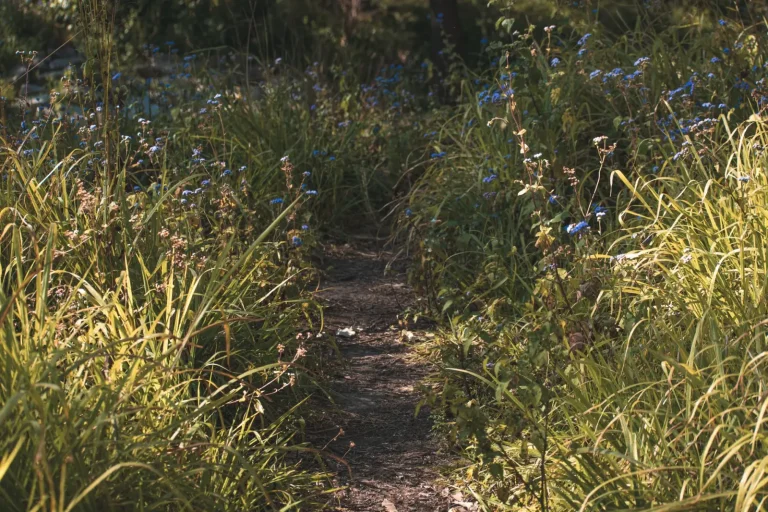
The established tracks are marked, but the marking system relies on occasional blazes and cairns rather than continuous signage. This works fine on the main routes, but it means you need to stay alert. The forest is visually repetitive. Trees, ferns, and moss-covered logs look similar across long stretches, and it’s possible to drift off-track without realizing it immediately. I’ve seen experienced walkers second-guess themselves simply because the visual reference points aren’t as clear as they expected.
A GPS device is useful here, though not essential on the main trails. What matters more is knowing where you are on the map before you start and maintaining a rough sense of direction as you walk. The forest’s density means that landmarks visible from a distance aren’t visible from within it, so you can’t navigate by sight the way you might in more open country. Compass work is practical, but it requires you to stop and check regularly rather than navigate on the move.
The creek systems provide natural navigation aids. Several walks follow watercourses, and if you’re paying attention, the sound and direction of flowing water can serve as a rough reference point. However, creeks in rainforests can be surprisingly loud even when they’re small, and the sound echoes through the forest in ways that can make direction-finding confusing. I’ve learned not to rely on sound alone.
What the Forest Demands Physically
The walking itself isn’t technically difficult. There are no scrambles, exposed sections, or significant elevation changes on the main tracks. What catches people off-guard is the steady, unrelenting nature of the terrain. Your legs work constantly on uneven ground, your core engages to maintain balance, and your attention never fully relaxes. This creates a different kind of fatigue than a steep climb would. You might not feel exhausted in the moment, but by the end of a few hours, the accumulated effect is noticeable.
Humidity is a real factor in warmer months. The forest retains moisture, and there’s little air movement beneath the canopy. Even on days when the outside temperature is moderate, the combination of humidity and physical exertion can leave you drenched in sweat. Clothing choices matter more here than they do in drier environments. Cotton absorbs sweat and stays wet, which is uncomfortable and can lead to chafing over longer walks. Synthetic or merino materials dry faster and feel better against the skin for extended periods.
Hydration is essential, but water sources within the park need to be treated. Creeks run through the forest, and while the water looks clean, giardia and other pathogens are present. Carrying enough water for your walk is simpler than relying on finding and treating water along the way. Most people underestimate how much water they’ll need in humid conditions, even when the temperature doesn’t feel particularly warm.
Wildlife and Practical Concerns
The park supports a diverse range of wildlife, but most of it is small and avoids humans. Snakes are present, but encounters are rare, and they’re generally not aggressive. The real minor annoyances are leeches in wetter months and the occasional march fly in spring. Leeches don’t cause serious harm, but they’re persistent and unpleasant, and they tend to appear on legs and ankles. Salt or insect repellent helps, though prevention – wearing long pants and gaiters – is more effective.
Insects are part of the environment, and some days they’re more active than others. Mosquitoes can be present near water sources, and various biting flies appear in spring and early summer. None of this is severe enough to make walking impossible, but it’s worth acknowledging as part of the experience rather than treating it as an anomaly.
The forest itself is the main consideration. It’s beautiful and complex, but it demands respect and attention. People who walk through it successfully are those who adjust their pace and expectations to match what the terrain actually offers, rather than trying to impose their preferred pace onto it. The forest doesn’t care about your schedule or your fitness level – it moves at its own speed, and the best walks happen when you accept that and move with it rather than against it.