
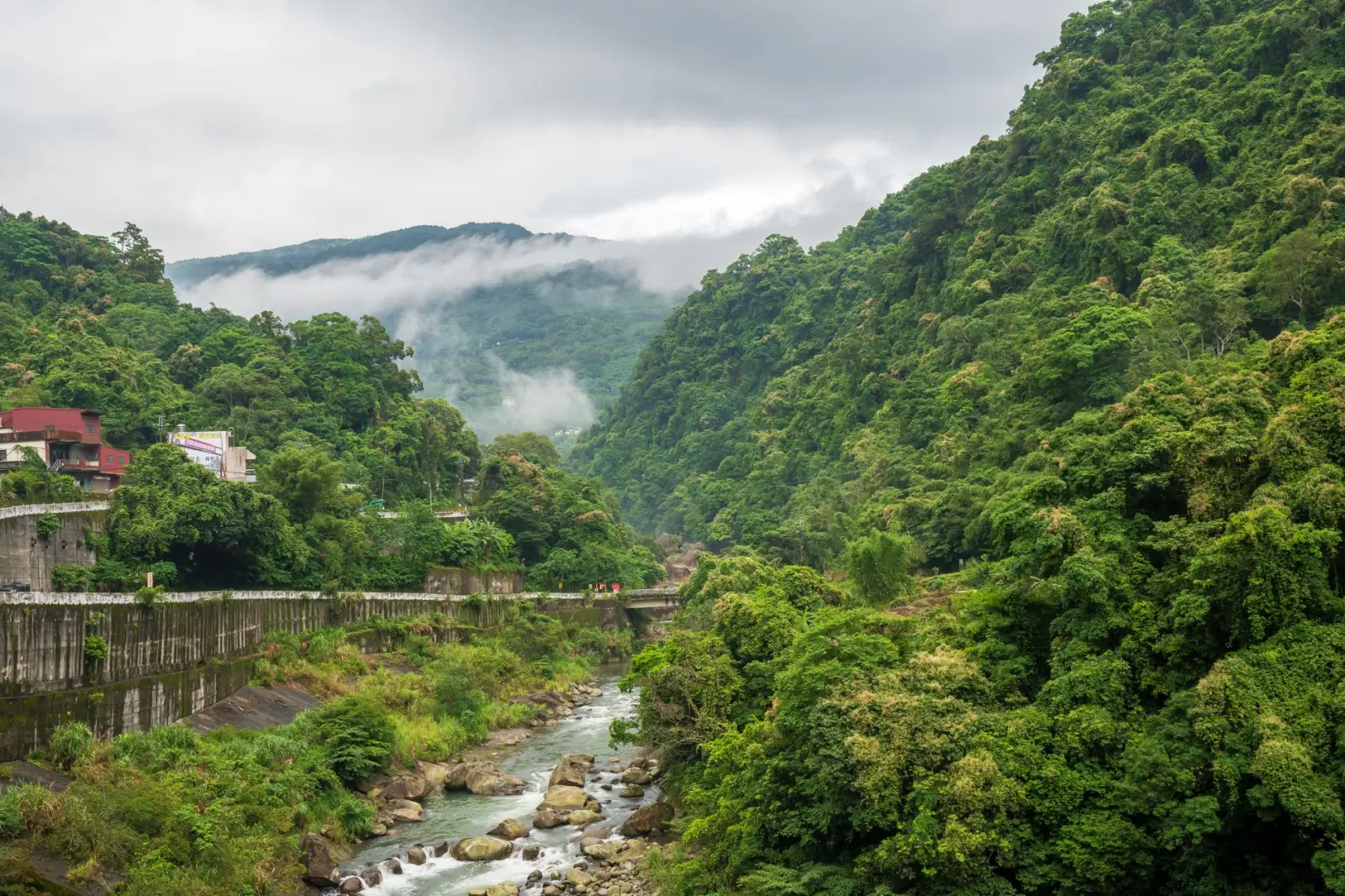
Spend enough time hiking through tropical mountain regions, and you begin to notice a pattern that feels almost mechanical in its consistency. The lush, dense rainforest doesn’t appear randomly across the landscape. Instead, it clusters predictably along the slopes and ridges of mountain ranges, while the lowlands on either side remain comparatively sparse. This isn’t coincidence or preference on the part of the vegetation. It’s a direct response to how mountains force air masses to behave.
The mechanism at work is called orographic lift, and it’s one of the most reliable drivers of precipitation on Earth. When moist air moving across a landscape encounters a mountain range, it has nowhere to go but up. As the air rises in elevation, atmospheric pressure decreases, and the air expands and cools. This cooling causes water vapor to condense into clouds and, eventually, rain. On the windward side of a mountain – the side facing the prevailing winds – this process dumps enormous quantities of water. A single slope can receive two, three, or even four times the rainfall of the surrounding lowlands.
The Geography of Moisture Delivery
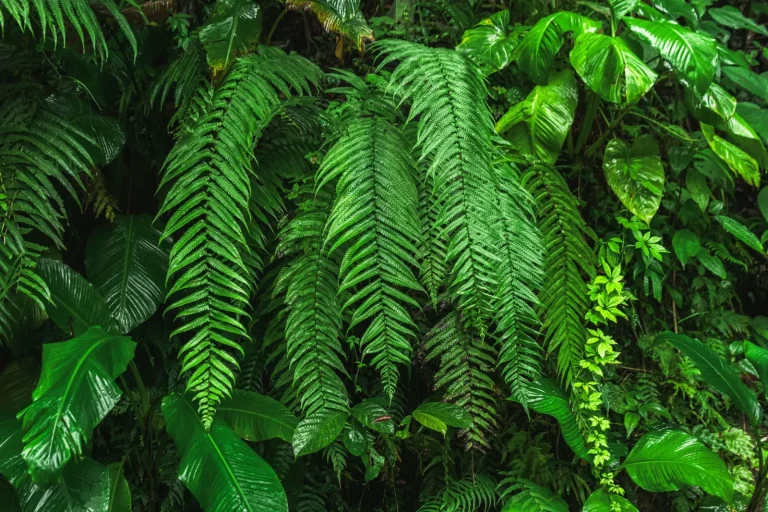
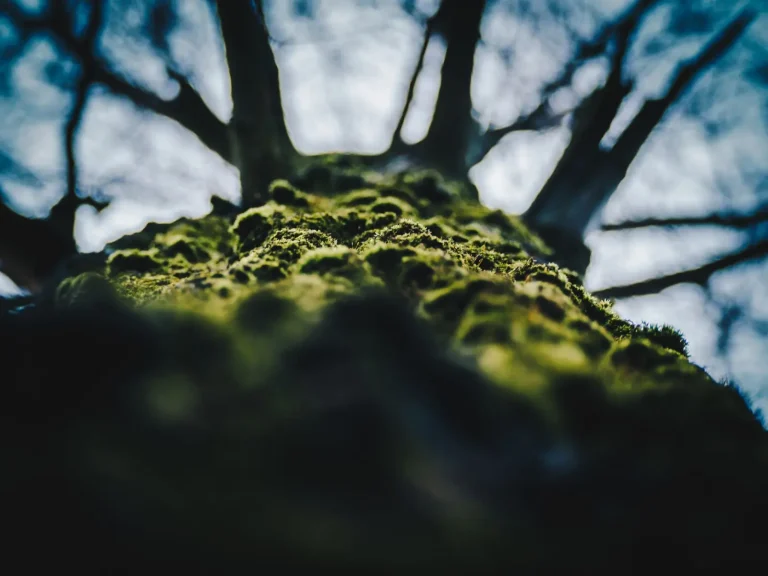
I’ve walked through enough mountain valleys to recognize the visual signature of this process. The windward slopes are invariably thick with vegetation, often so dense that the canopy blocks out direct sunlight at ground level. The air feels heavy and saturated. Moss grows on tree bark. Epiphytes – plants that live on other plants – cover branches. The forest floor is perpetually damp, even in what locals might call the “dry” season.
Cross over the ridge to the leeward side, and the shift is often abrupt. The air that has already released its moisture on the windward slope descends on the lee side, warming as it drops in elevation. This warming air can hold more moisture, so instead of releasing rain, it absorbs what little moisture exists on the ground. The result is a rain shadow – a zone of relative aridity that can support only scrubland, grassland, or sparse woodland. The same mountain range that creates a rainforest on one side creates a desert on the other.
The height of the mountain matters significantly. Taller ranges force air higher and cooler, intensifying the condensation process. The Andes, the Himalayas, and the mountains of Southeast Asia all create some of the world’s wettest regions on their windward slopes precisely because they reach elevations where the temperature drop is severe enough to wring enormous quantities of water from the passing air masses. Shorter ranges produce less dramatic effects, but the principle remains the same.
Elevation and Temperature Gradients
Temperature changes with elevation in predictable ways – roughly 6.5 degrees Celsius per thousand meters of ascent in dry air, and somewhat less in moist air. This temperature gradient is crucial for rainforest distribution. The cooler temperatures at higher elevations mean that air reaching saturation point requires less absolute moisture to produce rain. A slope at 1,500 meters elevation will receive more precipitation than a slope at 500 meters, all else being equal, simply because the air is cooler and therefore more easily saturated.
This also explains why the densest rainforests often occur at intermediate elevations rather than at sea level. Coastal lowlands can be rainforests too, but they’re often limited by other factors – salt spray, wind, soil composition. The sweet spot for rainforest development is typically between 800 and 2,000 meters, where the air is cool enough to release abundant moisture but warm enough to support the highest diversity of plant and animal life. Go higher, and you enter cloud forest or montane forest, where the vegetation changes character. The trees become smaller, the canopy opens up, and the understory becomes dominated by moss and ferns.
Water Cycling and Soil Development
The abundance of water on mountain slopes doesn’t just support lush vegetation – it fundamentally shapes how soils develop and how nutrients cycle through the ecosystem. Heavy rainfall accelerates weathering of rock, breaking down minerals that plants need. It also leaches nutrients downslope, which is why the richest soils in mountainous regions are often found partway down slopes rather than at the summit or in the valleys below.
The constant moisture also means that organic matter decomposes rapidly. Dead leaves, fallen branches, and animal remains break down quickly in the warm, wet environment, releasing nutrients that feed new growth. This rapid cycling is one reason rainforests are so productive – they’re not necessarily nutrient-rich in absolute terms, but the nutrients cycle through the system so quickly that the vegetation can grow at extraordinary rates.
I’ve noticed that the most biodiverse mountain rainforests tend to be those where the orographic effect is most pronounced and consistent. The western slopes of the Andes in Colombia and Ecuador, the windward sides of the mountains in Madagascar, the slopes facing the monsoon winds in the Eastern Himalayas – these are places where the atmospheric forcing is relentless and the vegetation responds with extraordinary complexity. The combination of consistent moisture, moderate temperatures, and varied topography creates an environment where hundreds of plant species can coexist in a single hectare.
Practical Implications for Understanding Distribution
Understanding this mechanism helps explain why rainforests are distributed where they are, and why they’re absent from places you might otherwise expect to find them. The Amazon basin, for instance, is wet and forested, but it’s not primarily because of orographic lift – it’s because of the recycling of moisture through evapotranspiration and the convergence of trade winds. The Atacama Desert, one of the driest places on Earth, exists partly because the Andes block moisture from reaching it. The Congo Basin rainforest is extensive partly because it sits in a region of convergent winds and high humidity, but also because scattered mountain ranges within it create localized areas of even higher precipitation.
When traveling through mountainous tropical regions, the vegetation patterns become readable once you understand the underlying mechanism. You can predict where the densest forest will be by looking at the direction of the prevailing winds and the orientation of the ridges. You can anticipate where you’ll encounter drier conditions by identifying the lee slopes. This isn’t esoteric knowledge – it’s a practical framework for understanding why the landscape looks the way it does.
The relationship between mountains and rainforests is ultimately a story about how physical geography constrains and enables biological systems. Air doesn’t choose to drop its moisture on mountains; it’s forced to by the laws of thermodynamics and fluid dynamics. The rainforests that result are simply the biological expression of those physical constraints. They grow where they do because the mountains make it possible for them to grow nowhere else.