
Searching for wild orchids in Australian rainforests is not a casual weekend activity. I’ve spent enough time in these forests to know that orchid spotting requires patience, specific knowledge about timing, and a willingness to accept that you might walk for hours and see nothing. The orchids are there – hundreds of species across the continent – but they don’t announce themselves, and the forest doesn’t make finding them easy.
Most people who venture into rainforest looking for orchids arrive with romantic notions shaped by photographs. They expect to stumble upon clusters of blooms draped across trees or nestled in the understory. The reality is messier. Orchids are often solitary. They’re small. They blend into bark and moss and leaf litter in ways that defeat casual observation. And many species flower for only a few weeks each year, sometimes in response to rainfall patterns that vary unpredictably from season to season.
The Australian rainforests where orchids thrive run along the eastern coast from north Queensland down through New South Wales. The Daintree, the Atherton Tablelands, parts of the Border Ranges, and pockets of the Illawarra region all support substantial orchid populations. But “substantial” doesn’t mean visible. A forest might contain dozens of orchid species in a single hectare, yet you could walk through that hectare and see none of them if you don’t know what you’re looking for or when they’re in flower.
Timing and Flowering Patterns
Orchid flowering in Australian rainforests follows no single calendar. Some species flower in spring, others in summer or autumn. A few are winter bloomers. What matters more than the season is moisture. Heavy rain, particularly after a dry period, often triggers flowering. I’ve seen orchids that seemed dormant suddenly produce flowers within days of significant rainfall. This means the best time to search isn’t necessarily the same each year.
The peak viewing window for most species tends to fall between September and November in the north, and October through December further south. But this is a loose guide. Local knowledge – talking to park rangers, orchid societies, or experienced bushwalkers – matters more than any published calendar. These people know which species are currently in flower and where they’re most likely to be found. Without that information, you’re essentially guessing.
Early morning visits work better than midday. The light is softer, and you move more slowly through the forest when you’re not fighting heat and glare. Orchids often face downward or sideways, and morning light helps reveal their position. You also encounter fewer insects and less heat-induced fatigue, which matters when you’re moving slowly through dense vegetation, constantly scanning for small flowers.
What to Actually Look For
Most Australian rainforest orchids are epiphytes – they grow on trees, not in the ground. They anchor themselves to branches and trunks, drawing moisture from the humid air and from debris that collects around their roots. This means you’re looking up and around, not down. Your neck gets tired. Your eyes water from the strain of focusing on distant branches. This is normal and unavoidable.
The flowers themselves are often small and subtle. Many lack the bold colors people associate with orchids. Australian rainforest species tend toward pale greens, browns, and whites – colors that match their surroundings. Some flowers are barely an inch across. Others are so thin and delicate they’re almost invisible against lichen and moss. The plants themselves, when not in flower, look like unremarkable clumps of roots and leaves clinging to bark.
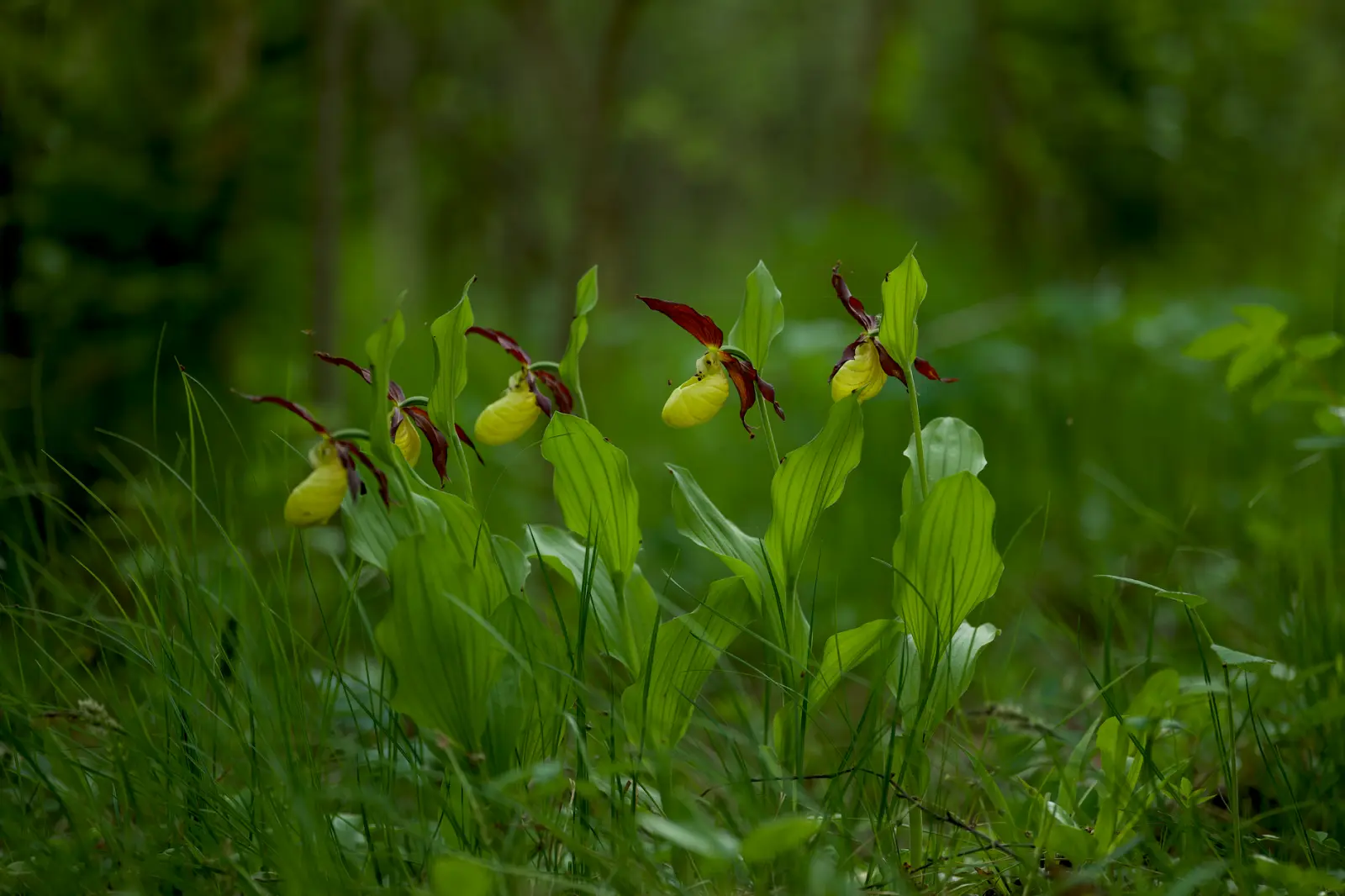
Terrestrial orchids – species that grow in soil on the forest floor – are rarer in the rainforest proper, though they appear in adjacent open forests and grassy areas. These are easier to spot when flowering because they’re at eye level, but they’re also more fragile and more heavily protected. Disturbing them is illegal, and rightfully so.
Navigation and Physical Reality
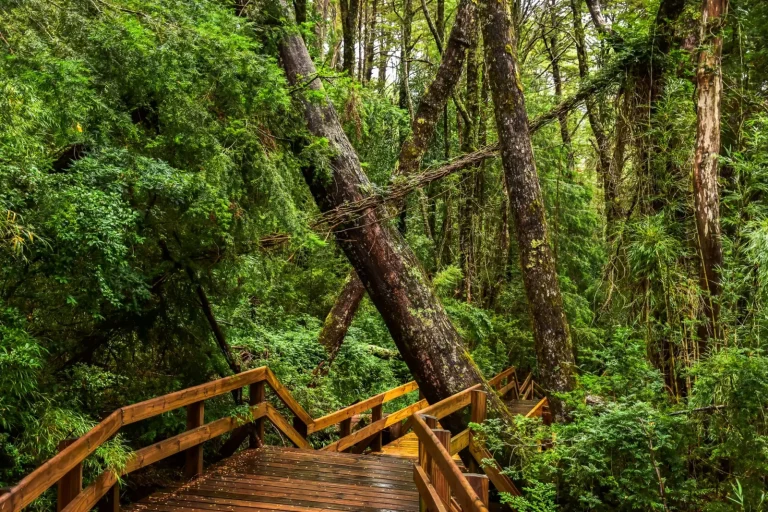
Rainforest walking is slow. The ground is uneven, often slippery, and cluttered with fallen branches and exposed roots. Visibility is limited. The canopy blocks direct sunlight, creating a dim, green world where distances are hard to judge. Moving quietly enough to observe wildlife means moving deliberately, which compounds the slowness. A walk that might take an hour on open ground can take three hours in dense rainforest.
Insects are constant. Mosquitoes in wetter areas, leeches after rain, stinging trees in some regions – these aren’t minor annoyances. They’re part of the environment, and you need to accept them or choose a different activity. Insect repellent helps but doesn’t eliminate the problem. Long sleeves and pants, despite the heat, reduce exposure. Some people find the insects unbearable. That’s a valid reason to reconsider.
Humidity is intense, particularly in the Daintree and other tropical rainforests. Sweat doesn’t evaporate. Your clothes stay wet. Your camera lens fogs. Batteries drain faster in heat and humidity. Carrying water is essential – more water than you think you’ll need. Dehydration sneaks up on you in humid environments because you don’t feel as thirsty as you actually are.
Where to Go and How to Prepare
Several rainforest regions are accessible to visitors and known for orchid populations. The Daintree National Park in far north Queensland contains hundreds of orchid species, though most are scattered and difficult to find without a guide. The Atherton Tablelands have more accessible orchid habitat, with several botanical gardens and walking tracks that feature orchids. The Border Ranges between Queensland and New South Wales offer temperate rainforest with different orchid species. The Illawarra region south of Sydney has pockets of subtropical rainforest with their own orchid communities.
Hiring a guide or joining an organized walk makes a significant difference. Guides know which orchids are currently flowering, where they’re most likely to be found, and how to move through the forest efficiently. They can point out plants you’d walk past without noticing. The cost is real – guides aren’t cheap – but the experience is fundamentally different from wandering alone. You’ll see more orchids, understand more about the forest, and spend less time frustrated.
If you’re going alone, contact local orchid societies or park services before you go. Ask specific questions about what’s flowering now, where to look, and what to expect. Bring binoculars – they help you scan distant branches without straining your neck constantly. Bring a camera with a macro lens if you want to photograph flowers, though this adds weight and complexity. Wear sturdy boots with good ankle support; rainforest terrain punishes weak footwear. Bring more water than seems necessary and a basic first aid kit.
The experience of finding a wild orchid – actually spotting one, recognizing it, understanding that you’re seeing something rare and beautiful in its natural context – is worth the effort. But it requires accepting that the forest is on its own terms, not yours. You’re moving through someone else’s home, and the orchids don’t exist for your convenience. That perspective shift, more than any equipment or preparation, determines whether you’ll find the experience rewarding or frustrating.