
After spending years moving through rainforests across Central America, Southeast Asia, and the Amazon basin, I’ve learned that the difference between a walk where you see nothing and one where wildlife appears regularly comes down to a few specific factors that have little to do with luck. Most people arrive at a rainforest expecting animals to be visible, then leave disappointed because they’ve walked the wrong trails at the wrong times with the wrong expectations about what “seeing” actually means in a dense forest.
The rainforest doesn’t reveal itself to casual movement. You need to understand that the canopy is where most of the action happens – birds, monkeys, sloths, and countless insects live overhead, not at eye level. Walking through the understory looking straight ahead will show you ferns, root systems, and leaf litter. Seeing wildlife requires patience, early mornings, and acceptance that you’ll spend long stretches hearing nothing but your own footsteps before something moves.
Why Timing Matters More Than Location
The single most common mistake is arriving at a trail at 10 a.m. and expecting results. By mid-morning, most rainforest animals have already fed and moved into deeper cover to rest through the heat of the day. The productive window is roughly 5:30 to 7:30 a.m., when birds are vocalizing, primates are active before settling into their midday lethargy, and insects are still moving. I’ve walked the same trail at 8 a.m. and again at 5:45 a.m., and the difference in what you encounter is dramatic.
The second peak occurs in late afternoon, around 4 p.m. until dusk, but this is less reliable than early morning. Weather also plays a role that isn’t intuitive. Light rain doesn’t deter wildlife – it often increases activity. Heavy downpours send everything into shelter, and the noise of rain drowns out the subtle movements you’re listening for. Overcast mornings with no rain are often better than clear ones because animals don’t retreat as quickly from the heat.
Trails That Consistently Produce
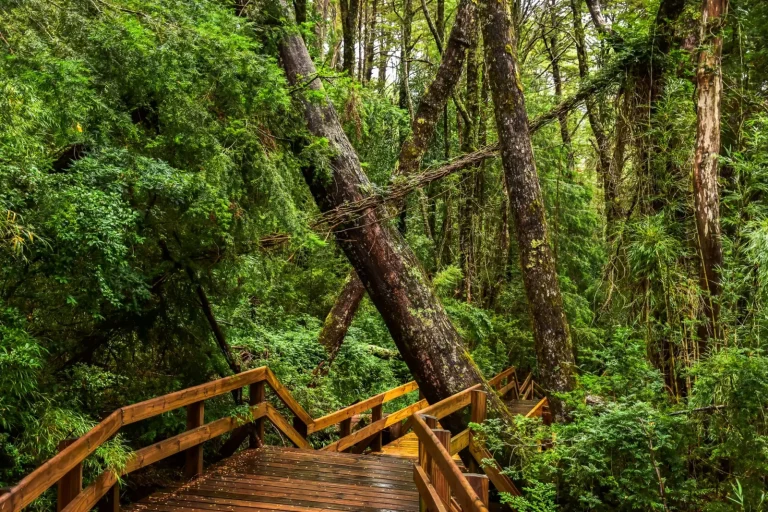
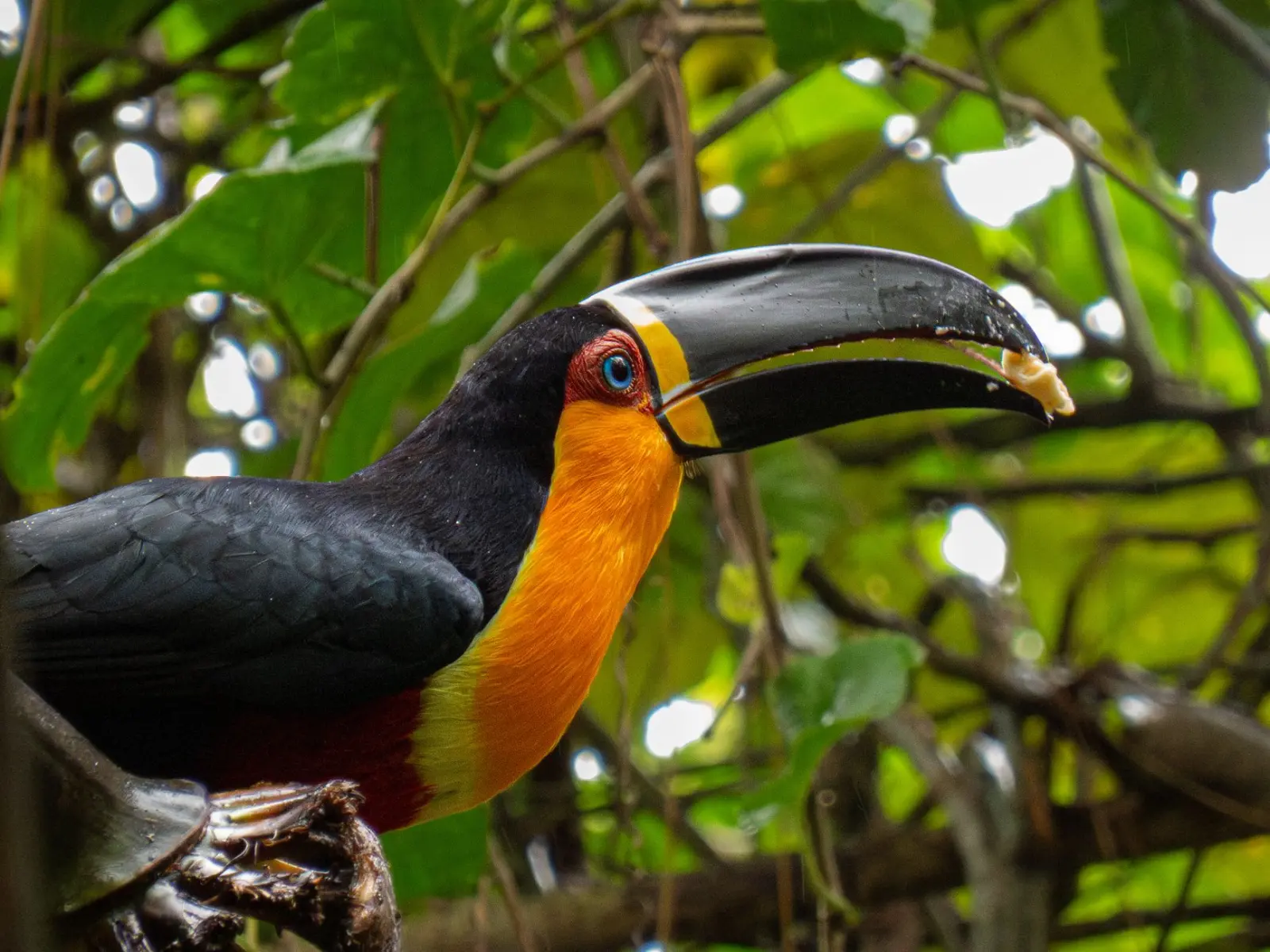
In Costa Rica, the Arenal region trails around the Arenal Volcano base, particularly the Hanging Bridges trail near La Fortuna, work because they’re elevated and move through primary forest where the canopy structure hasn’t been heavily disturbed. You’re not seeing more animals than elsewhere – you’re positioned to see them. The bridges keep you at mid-canopy level where howler monkeys, toucans, and macaws actually live. Ground-level trails miss this entirely.
The Osa Peninsula in southern Costa Rica has trails like the Corcovado National Park routes that work because the park is large enough that animals haven’t been hunted out or habituated to human presence. The trails are maintained but not overcrowded. This matters. A trail with fifty people a day walking it will have animals that disappear deeper into the forest. A trail with five groups a day maintains normal behavior patterns.
In Peru, the trails around Puerto Maldonado leading into the Tambopata Reserve produce consistently because they’re in primary forest where jaguar sightings, though rare, are possible, and where macaw clay licks draw hundreds of birds at specific times. The guides there have spent years learning the seasonal patterns and the routes that move through the most productive feeding areas.
Ecuador’s Yasuni region offers walks that move through flooded forest and terra firme, which creates habitat diversity. The more habitat types you move through in a single walk, the more species variation you’re likely to encounter. A trail that stays in one forest type will show you that type’s fauna. A trail that transitions between habitats will show you more.
What You’re Actually Looking For
Most visitors expect to see large, obvious animals. In reality, productive wildlife watching in rainforests means noticing movement in the canopy, hearing calls, and understanding what they indicate. A howler monkey’s roar carries for miles, but the animal itself might be a dark shape in the leaves. A macaw’s flight is unmissable, but you might only see it for three seconds. A poison dart frog on the forest floor is vivid and close, but you might walk past ten of them without noticing.
The walks that feel most successful are often the ones where you spend two hours moving slowly and see relatively little, but what you do see is distinct and memorable. A single harpy eagle sighting, even at distance, or a group of spider monkeys moving through the canopy, or a fer-de-lance coiled on a branch – these moments come from being in the right place at the right time with your attention actually directed upward and outward.
Guides Make a Real Difference
Walking rainforest trails alone is possible but substantially less productive than walking with someone who knows the forest. A good guide knows where animals are likely to be at different times of year, recognizes calls that indicate what species is present, and can move quietly enough that animals don’t flee before you see them. The difference between a guide who walks at a normal pace and one who moves slowly, stops frequently, and listens is the difference between seeing three species and seeing fifteen.
In my experience, guides who are local to the region and have worked the same trails for years are more effective than guides trained at tourism centers. They know the individual animals, the seasonal movements, and the microclimates within the forest. A guide who can tell you that a particular troop of monkeys moved to the northern section of the trail last week because of fruiting trees is giving you information that dramatically increases your odds.
The physical demands of rainforest walking are often underestimated. Humidity, uneven ground, insects, and the constant attention required to watch for wildlife and footing simultaneously create fatigue that’s different from hiking at elevation. A walk that covers only two kilometers can take three hours and leave you more tired than a ten-kilometer mountain hike. This is worth knowing because it affects how many trails you can realistically do in a day and how alert you’ll be on later walks.
The rainforest rewards the observer who accepts that seeing wildlife is intermittent and often brief. The walks that deliver are the ones where you move early, move slowly, move with someone who knows the forest, and accept that sometimes you’ll walk for hours and see very little. The payoff comes when something does appear – a movement in the canopy, a call that brings your attention to a specific branch, a shape that resolves into an animal you’ve traveled far to encounter.