The forest around Bar Mountain isn’t particularly remote or extreme, but it rewards the kind of attention most casual visitors don’t give it. I’ve spent enough time moving through those trails to notice patterns – which routes hold up in poor weather, where fatigue hits hardest, when you’re actually in danger versus when you just feel like you are. The difference matters.
What strikes most people first is how quickly the landscape changes. You can start on a well-marked path with decent footing and find yourself, two hours in, navigating terrain that’s either overgrown or eroded depending on the season. This isn’t a flaw in the trail system. It’s just how these forests work. Vegetation grows, weather reshapes the ground, and maintenance happens unevenly. Understanding this upfront changes how you move and what you bring.
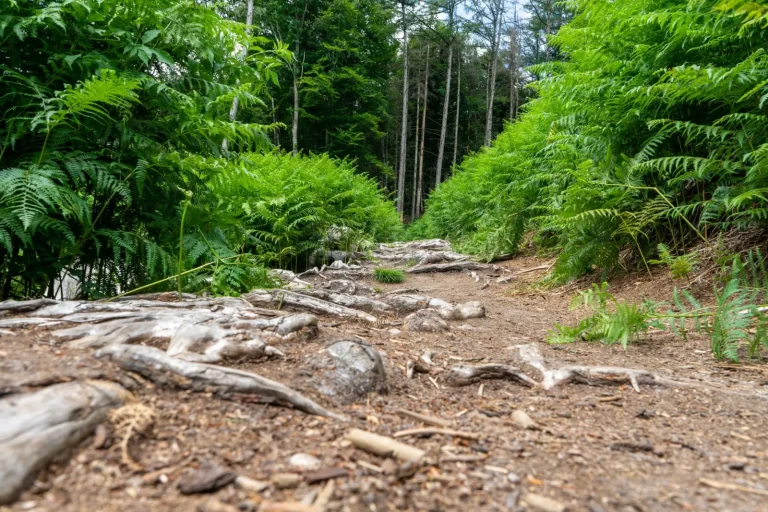
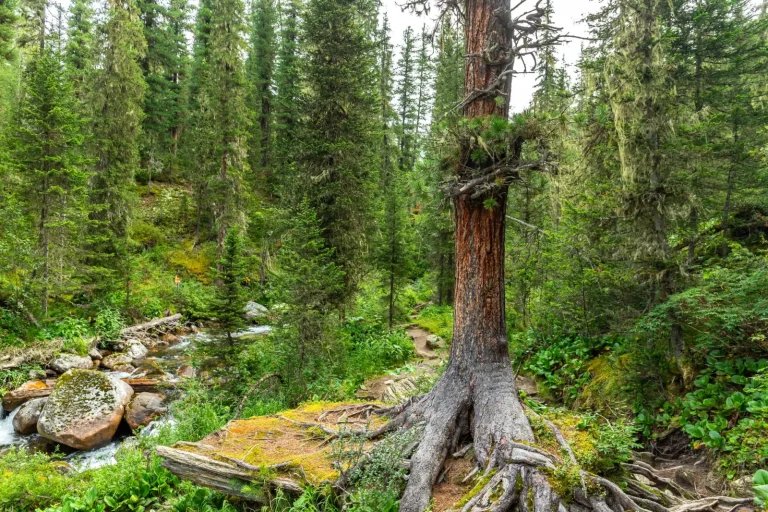
The forest floor itself tells you a lot if you’re paying attention. In drier months, you get exposed roots and loose stone – ankle-turning territory if you’re moving quickly. After rain, the same sections become slick clay that grabs your sole and refuses to let go. I’ve watched people slip on sections they’d walked confidently just days earlier. The difference is often just moisture and angle of approach.
Timing and Light Conditions
Starting early matters more than people assume. Not because of safety theater, but because the forest changes character as the day progresses. Early morning, the canopy is dense but light penetrates in specific ways. You can see the trail clearly and navigate efficiently. By mid-afternoon, especially in summer, the light becomes diffuse and shadows obscure the ground. Roots and rocks that were obvious become trip hazards. Fatigue also compounds this – your eyes are tired, your attention drifts, and that’s when mistakes happen.
The forest holds moisture and stays cool even on hot days, which sounds pleasant until you realize it means your clothes stay damp and your body temperature regulation gets confused. You feel cold in direct sun and overheated in shade. Layering isn’t optional here; it’s a practical necessity. Most people bring too little and adjust by stopping frequently, which kills momentum and extends the day.
Navigation and Trail Markers
The trail system around Bar Mountain uses painted markers on trees, but they’re not consistent. Some sections have them every fifty meters. Other sections go long stretches without one. This isn’t poor planning – it’s the reality of maintaining trails in forest. Paint fades, trees fall, and new growth obscures old markers. You need to develop a sense of the trail rather than relying entirely on markers. This means occasionally stopping to orient yourself, checking the terrain for signs of use, and being willing to backtrack if something feels wrong.
GPS and maps are useful, but they create a false sense of certainty. The resolution on most hiking maps is too coarse to show the actual trail condition. GPS can tell you where you are but not whether the ground ahead is passable. I’ve seen people walk confidently toward a waypoint only to hit a washout or dense undergrowth that isn’t on their map. The practical approach is to use maps for overall orientation and your eyes for immediate navigation.
Physical Reality and Pacing
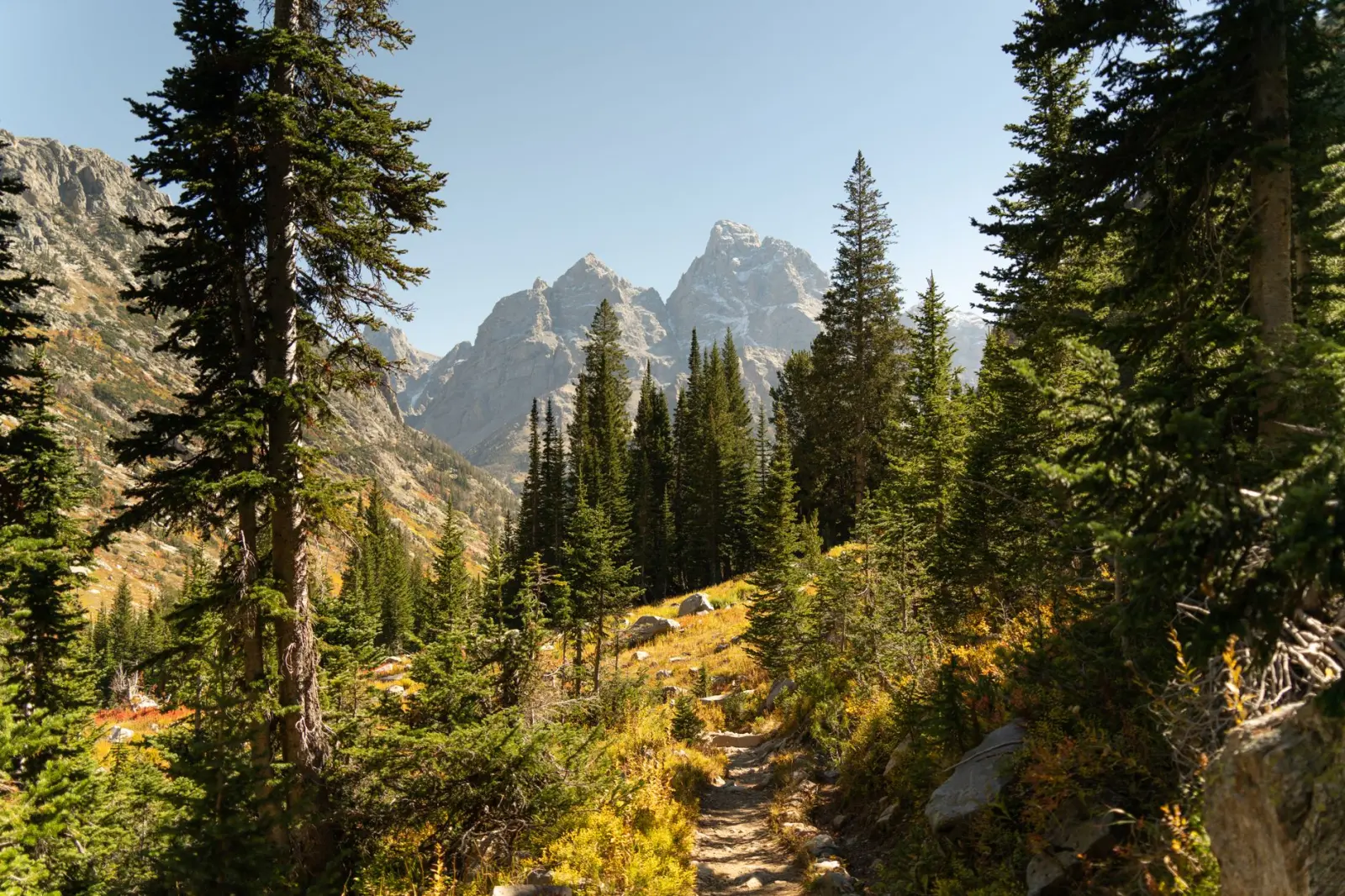
The terrain around Bar Mountain is moderately steep in sections, but it’s the consistency that wears you down. There’s rarely a long, flat recovery section. You’re either climbing or descending, and both demand attention. The climb is steady rather than brutal, which actually makes it harder to pace yourself. People tend to start too fast because it doesn’t feel extreme, then hit a wall three hours in when their legs stop cooperating.
Descent is where most people get into trouble. The forest floor is uneven, and your knees absorb impact with every step. After a few hours of climbing, your quads are fatigued and your proprioception gets sloppy. That’s when people twist ankles or take hard falls. I’ve noticed that people who hike regularly tend to slow down on descent and accept the longer time. People who hike occasionally try to maintain their uphill pace, and that’s when injury happens.
Water sources exist but they’re not always where you’d expect. The forest is wetter than surrounding areas, so streams appear and disappear depending on season. In dry months, what looks like a water source on a map might be a dry ravine. Carrying enough water from the start is simpler than trying to filter from uncertain sources. A hydration pack works better than bottles because you drink more consistently and don’t have to stop as often.
Wildlife and Seasonal Factors
The forest has animals – nothing aggressive, but you should know what’s present. Insects are the real issue. Ticks are common and persistent, especially in warmer months. They’re not dangerous if you remove them properly, but they require attention. Checking yourself thoroughly after the hike is non-negotiable. Mosquitoes appear near water, and they’re more aggressive in early morning and evening. Midday hiking avoids the worst of them.
Seasonal changes shift the entire experience. Spring brings mud and swollen streams. Summer brings dense vegetation and insects. Fall offers the best conditions – less mud, fewer insects, clearer sight lines – but weather becomes unpredictable. Winter makes the trails harder to follow and increases slipping risk, though fewer people means less trail damage. Most people explore in summer and regret it. Spring and fall are objectively better times, but they require more flexibility with scheduling.
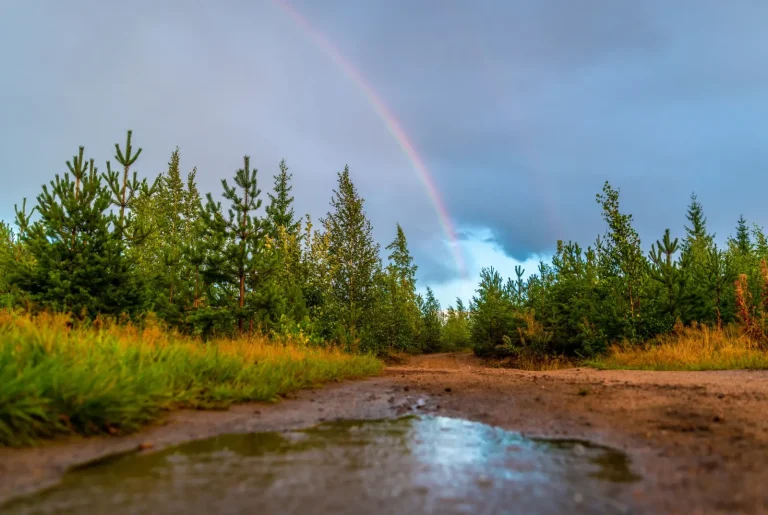
Weather changes quickly in the forest. Cloud cover can roll in within an hour, visibility drops, and temperature falls. The forest provides some shelter from wind, but it also traps moisture and makes everything feel colder than it actually is. A light rain that seems manageable in open terrain becomes a real problem under dense canopy where everything drips and the ground becomes treacherous. Checking weather before you start is basic sense, but understanding how forest conditions amplify weather effects is what prevents bad situations.
The forest around Bar Mountain isn’t a destination that requires extreme preparation or specialized skills. It’s a place where consistent attention, realistic pacing, and acceptance of variable conditions make the difference between a good day and a frustrating one. Most people who struggle there aren’t dealing with objective hazards – they’re dealing with fatigue, poor pacing, and surprise at how the terrain actually behaves. The forest is predictable if you’re willing to observe it carefully.