
The forest around Queen Mary Falls operates on its own schedule, and that schedule rarely aligns with what people expect when they arrive with a map and two hours of daylight left. I’ve walked this area dozens of times across different seasons, and the gap between how the walk appears on paper and how it actually unfolds on the ground is where most of the friction happens.
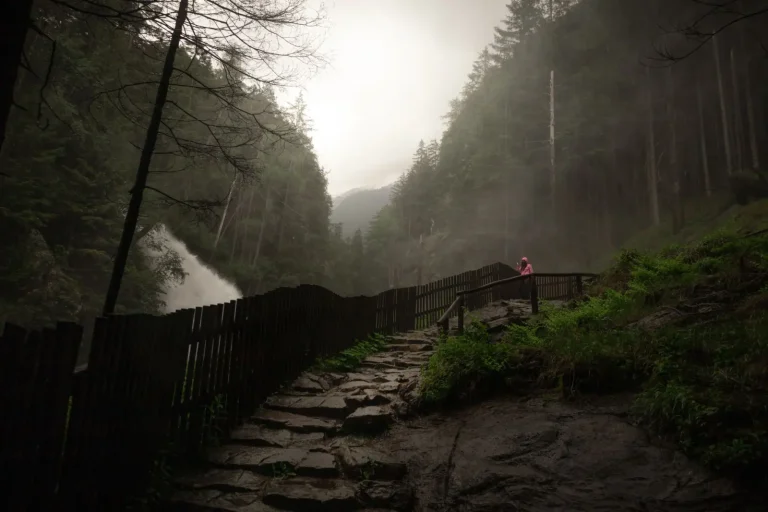
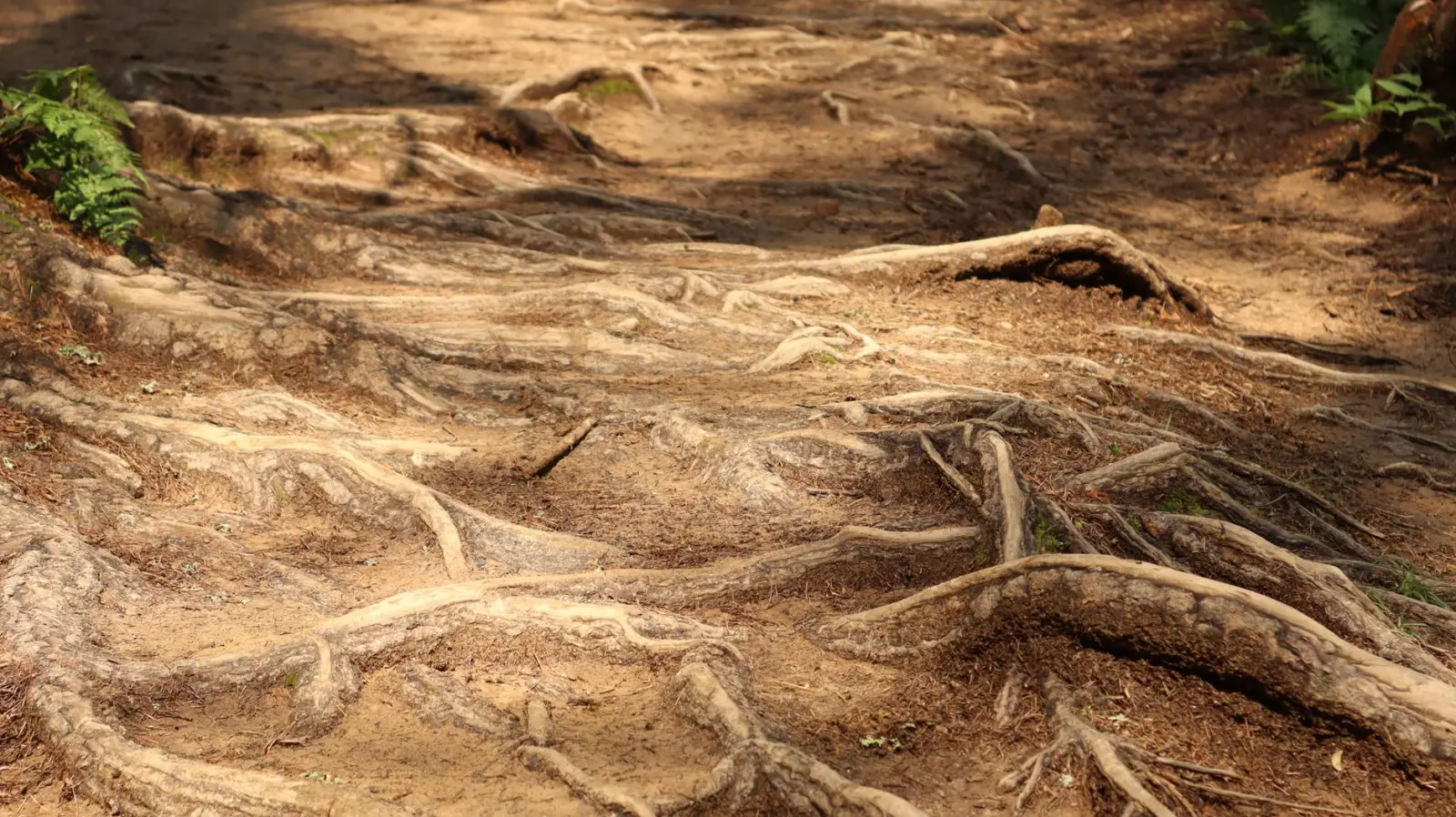
The main track itself is well-maintained and reasonably straightforward. It’s not technically difficult. The inclines are moderate, the path is generally clear, and you’re not scrambling over loose rock or navigating unmarked terrain. But this accessibility creates a false sense of ease that catches people out. The forest floor is uneven in ways that don’t announce themselves. Tree roots cross the path in patterns that seem random until you’ve walked it a few times and realize they follow the subsurface drainage. Rocks embedded in the soil shift slightly underfoot after rain, and the leaf litter hides both of these things effectively.
Timing is where most misjudgments occur. The walk from the carpark to the falls and back is listed as roughly 1.5 to 2 hours, and that’s accurate for people moving at a steady pace without stopping. The problem is that almost nobody moves at that pace. People stop to look at the water, to take photos, to catch their breath on the inclines, to sit by the falls for ten minutes. None of these things are mistakes – they’re part of why you come – but they add time that doesn’t appear in the guidebook estimate. I’ve watched groups that started at 3 p.m. thinking they’d be back by 5 p.m. still be on the track at 5:30, moving faster now because they’re aware of the light, and that’s when people make the small errors that turn a pleasant walk into a stressful one.
The Forest Itself
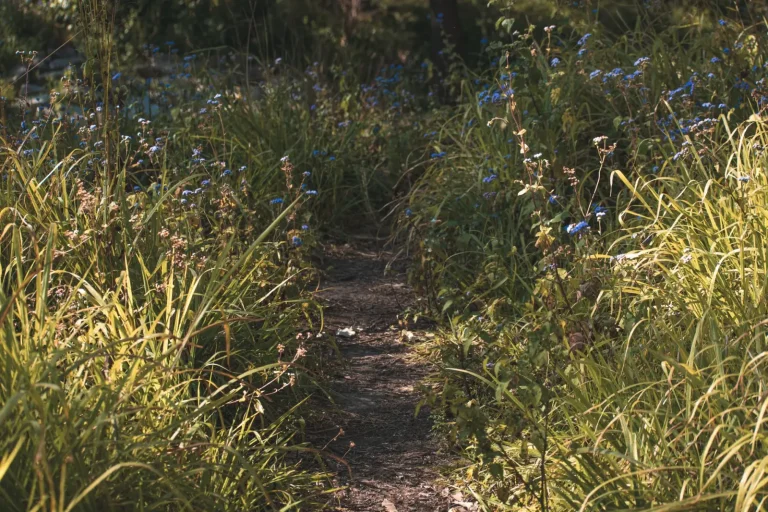
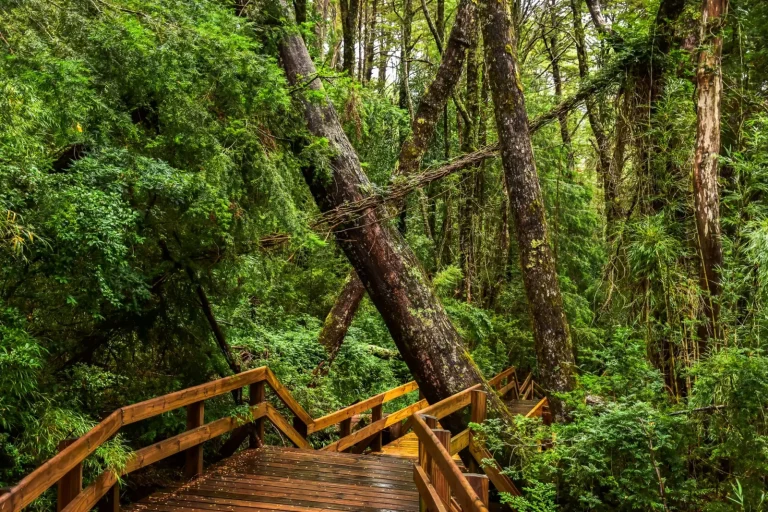
The vegetation around Queen Mary Falls is subtropical rainforest, which means it’s dense, humid, and doesn’t dry out quickly after rain. The canopy is thick enough that even on bright days the track exists in a kind of filtered light. This affects how you perceive time and distance. The walk feels longer than it is partly because the visual landscape doesn’t change dramatically – you’re moving through similar forest the entire way, which can make distance markers feel arbitrary. There’s no long vista that tells you how far you’ve come.
Moisture is constant here. Even on days when it hasn’t rained, the air holds water and the ground stays damp. This matters for footwear and for how your legs feel by the end of the walk. Shoes that would be fine on a drier track can feel heavy and clammy after an hour in this environment. People often wear running shoes or light trail shoes, which is fine for grip, but they don’t provide much insulation from the wet. Your feet will be cold by the time you’re halfway through, and that cold doesn’t leave quickly once you’re back at the carpark.
Water and Weather Patterns
The falls themselves are fed by a creek that responds quickly to rainfall in the catchment. After heavy rain, the falls run high and the track can have water flowing across sections that are normally dry. This isn’t dangerous in the way that a flooded river is, but it does slow movement and requires attention to footing. I’ve seen people slip on these wet sections because they’re concentrating on the falls ahead rather than the ground beneath them.
The subtropical climate here means afternoon thunderstorms are common in summer, and they can develop quickly. The forest canopy provides some shelter, but not complete protection. More importantly, the light deteriorates rapidly once a storm moves in, and the track becomes noticeably harder to navigate. Visibility isn’t the only issue – the psychological shift that happens when weather turns is real. People move more carefully, more slowly, and the walk that felt easy becomes something they want to finish.
What Wears People Out
The inclines on this walk are not steep, but they’re sustained. There’s no single brutal climb. Instead, there’s a gradual elevation gain that doesn’t feel significant in the moment but accumulates. By the time you reach the falls, you’ve climbed enough that the return journey feels noticeably harder, especially if you’ve spent twenty minutes sitting by the water. The body cools down, the muscles stiffen slightly, and that easy walk up becomes a more deliberate walk down.
The descent is where most people slow down. The track is rougher going down than going up, not because it’s poorly maintained but because gravity and momentum work against you. People who were moving confidently uphill become more cautious on the way back. This is sensible – falls on descents are more common than on ascents – but it means the return journey typically takes longer than the outbound leg, even though it’s the same distance.
Fatigue also affects how people interpret the forest. What felt like a pleasant, quiet walk uphill can feel isolating on the way back if you’re tired and the light is fading. The forest doesn’t change, but your perception of it does. Sounds become more noticeable. The absence of other people becomes more apparent. This is normal, but it’s worth acknowledging because it often drives people to move faster than they should, which is when minor slips become actual problems.
The Practical Realities
Start earlier than you think you need to. If you’re planning a two-hour walk, aim to start two hours before you want to be back at the carpark, not two hours before sunset. The buffer matters. It removes the pressure that makes people careless.
Wear shoes with genuine grip and support, not just light trail runners. The ground is uneven enough that ankle support makes a difference, particularly on the descent. Bring water – more than you think you’ll need. The forest is humid, and people often underestimate how much they’re sweating in the moisture-saturated air.
The walk is rewarding precisely because it’s not dramatic. The falls are modest, the forest is quiet, and the physical demand is manageable. But that manageability is also where carelessness creeps in. The walk doesn’t punish inattention severely, but it does punish it. The people who have the best experience are the ones who accept that it takes longer than the estimate suggests, who start early enough that time pressure never becomes a factor, and who pay attention to their footing rather than thinking about what’s ahead. That’s not a dramatic insight, but it’s the one that matters.