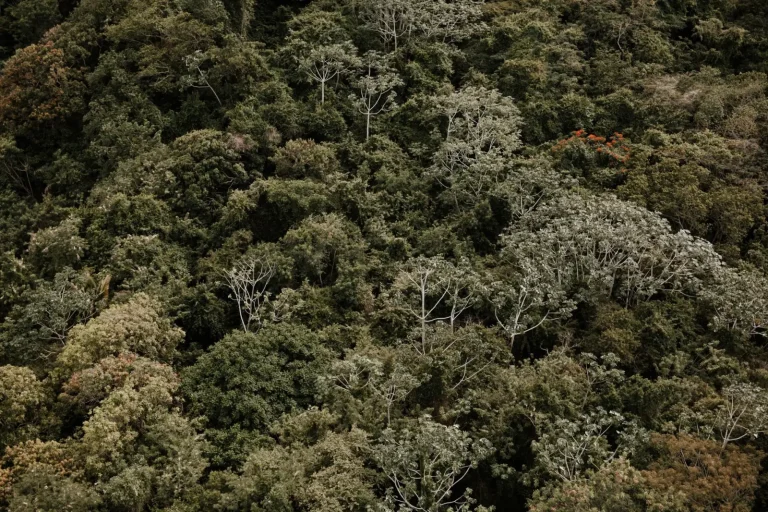

The subtropical rainforests along Australia’s eastern seaboard operate on their own terms. After spending considerable time moving through these environments – from the Daintree down through Queensland’s hinterland and into northern New South Wales – I’ve come to recognize patterns that don’t always appear in travel guides. These forests are neither wilderness adventure playgrounds nor gentle nature walks. They’re dense, humid, layered systems where timing, preparation, and realistic expectations matter far more than enthusiasm.
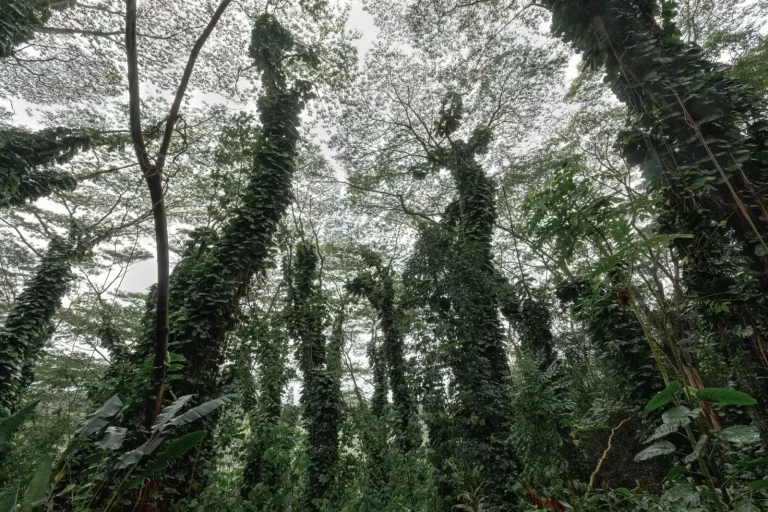
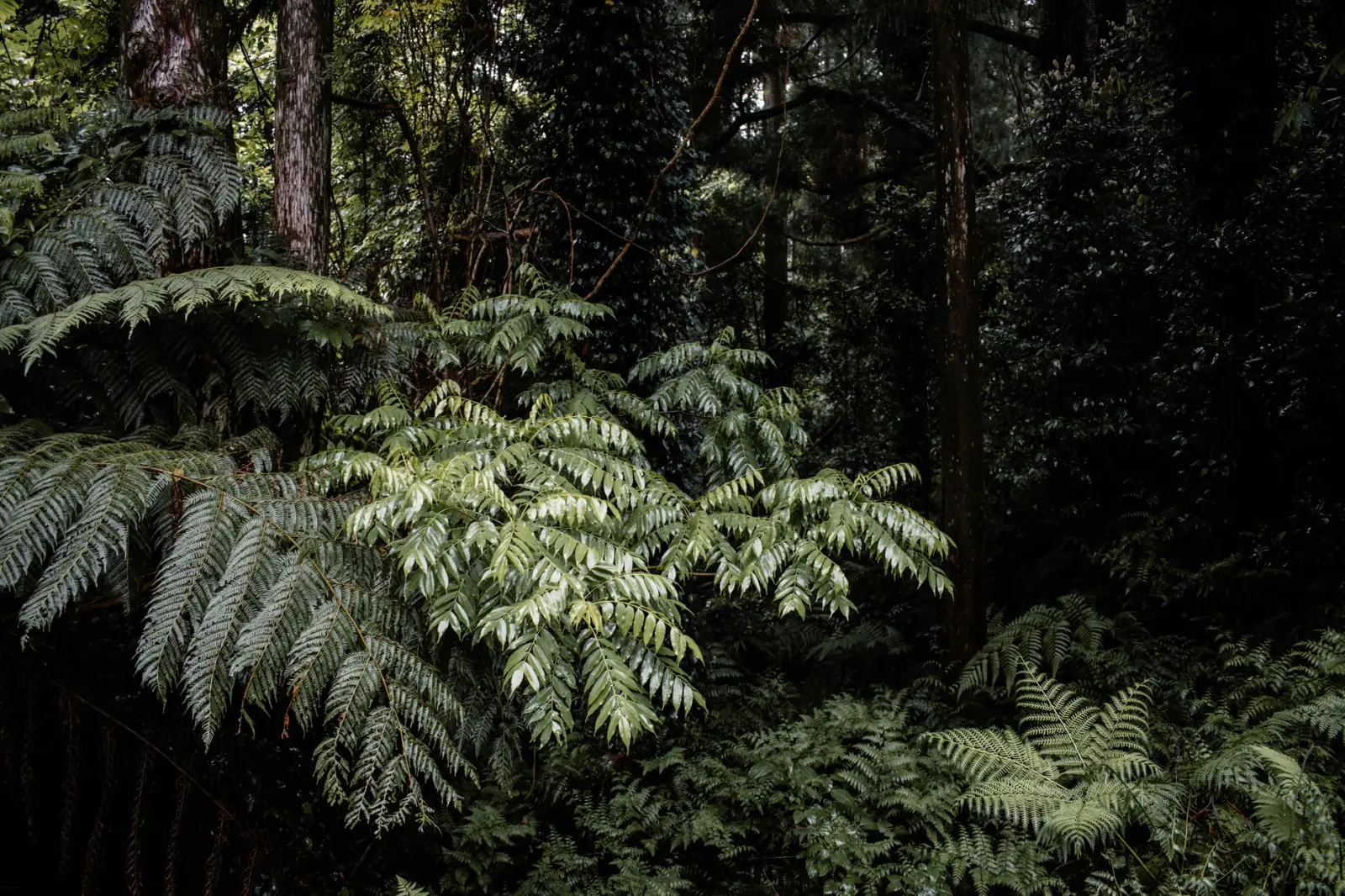
The first thing to understand is that “rainforest” here doesn’t mean a single ecosystem type. The subtropical varieties differ markedly from their tropical counterparts further north, yet most visitors treat them as interchangeable. The canopy is typically lower, the understory thicker, and the ground cover more aggressive. Vines, ferns, and fallen timber create a three-dimensional maze rather than an open forest floor. This density changes how you move through the environment and how long even moderate distances take to cover.
Humidity is the dominant physical reality. It’s not just about discomfort – though that’s real enough. Sustained high humidity affects your body’s ability to regulate temperature, accelerates fatigue, and makes sweat an ineffective cooling mechanism. Most visitors underestimate how quickly they’ll tire. A two-hour walk in these conditions feels closer to four hours of effort in temperate forests. The air itself feels thick, and breathing requires more conscious effort than you’d expect. This is particularly noticeable if you’re arriving from drier regions or higher altitudes.
Water, Mud, and Ground Conditions
The forest floor is perpetually damp. Even during dry spells, the soil remains saturated beneath the leaf litter. Mud isn’t occasional – it’s structural. Trails become slippery quickly, and what looks like solid ground often isn’t. I’ve watched experienced hikers slip on sections that appeared completely manageable. Proper footwear makes a genuine difference here, and that means shoes with real grip, not trail runners designed for rocky terrain. The mud also means trails degrade rapidly after rain, with erosion creating channels and exposed roots that catch feet.
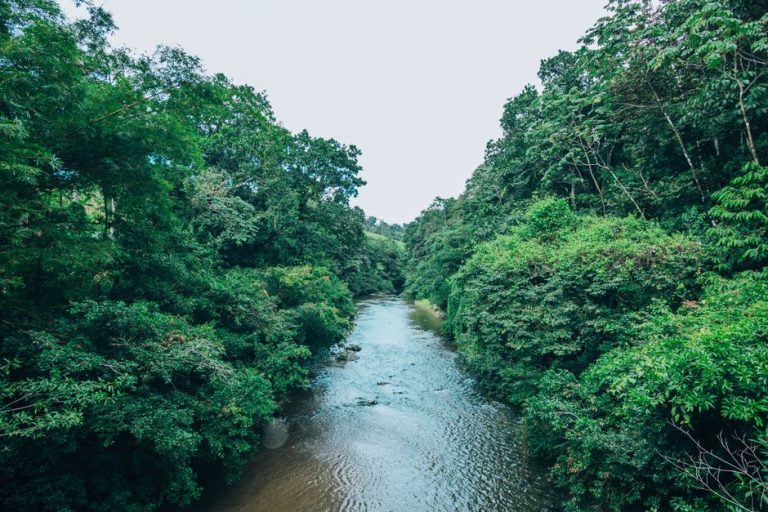
Water crossings are common and often underestimated. Small creeks that seem insignificant during dry periods can become serious obstacles after rainfall. The forest’s dense canopy means rain falls unevenly – you might experience heavy downpour in one section while another remains relatively dry. Water levels can rise quickly, and the current in these narrow channels can be stronger than it appears. I’ve seen visitors caught off guard by water that was knee-deep and moving fast enough to be genuinely risky. Timing your walks matters. Checking recent rainfall and understanding the watershed patterns of your specific route is practical, not paranoid.
Wildlife and Insect Realities
Snakes exist in these forests, but encounters are rare if you’re moving deliberately and making noise. The real wildlife friction comes from insects and smaller creatures. Leeches are present in many areas, particularly after rain. They’re not dangerous, but they’re persistent and require attention. Mosquitoes can be significant depending on season and specific location. Ticks are common and deserve respect – proper checking after time in the forest isn’t optional. The biting insects aren’t uniformly distributed; some areas have far heavier populations than others. Local knowledge about current conditions beats generic advice.
Larger animals – cassowaries in the far north, wallabies, possums – are present but typically avoid humans. The exception is around campsites or areas where people have created food associations. The forest’s density means you rarely see much wildlife anyway. Most of what you encounter is heard rather than seen: bird calls, rustling in the canopy, the sound of movement in the undergrowth. This can feel eerie to visitors expecting more visible fauna, but it’s simply how these ecosystems function.
Temperature and Seasonal Patterns
Subtropical doesn’t mean tropical. Winter temperatures in these forests can drop to single digits Celsius at higher elevations, and the humidity makes cold feel more penetrating. Summer brings heat that combines with humidity to create genuinely dangerous conditions. December through February is the wet season in many areas, bringing heavy rainfall, higher humidity, and the most challenging hiking conditions. This is also when the forest is most active and visually impressive, but the trade-off is real.
The dry season – roughly May through September – offers better hiking conditions, though “dry” is relative. Trails are more passable, insects are less aggressive, and the physical demands are lower. However, water sources become less reliable, and some seasonal trails may be impassable. Spring (September through November) is often the sweet spot: decent weather, active vegetation, manageable insect pressure, and water still available.
Navigation and Trail Conditions
Many rainforest trails are well-maintained, particularly in protected areas and popular destinations. Others are marked minimally or require careful attention. The dense vegetation can make it easy to lose a trail, especially at junctions or where erosion has altered the path. GPS devices work poorly under heavy canopy, and relying solely on them is risky. Traditional navigation – map reading, understanding terrain, following marked trees or blazes – remains essential. I’ve encountered visitors who became disoriented on supposedly straightforward walks simply because they weren’t paying attention to trail markers or the broader landscape context.
Trail maintenance varies significantly. Some areas receive regular attention; others are left to natural processes. A trail marked as “moderate” might be genuinely difficult after recent weather, with fallen trees creating obstacles and erosion making footing uncertain. Time estimates on signs are often optimistic, particularly for visitors unfamiliar with forest terrain. Adding 30 to 50 percent to estimated times is reasonable, especially if you’re moving carefully or stopping frequently.
The subtropical rainforests of eastern Australia reward patience and realistic expectations. They’re not hostile environments, but they do demand respect for their conditions. Understanding what you’re actually walking into – the humidity, the mud, the insects, the navigation challenges – transforms the experience from frustrating to genuinely engaging. These forests have their own rhythm and logic, and moving through them successfully means working within that system rather than imposing your own expectations onto it.