
Ravenshoe sits at elevation in Far North Queensland, and the forests surrounding it operate under their own logic. After spending considerable time moving through these areas, I’ve learned that the experience bears little resemblance to the promotional imagery. The reality is messier, more demanding, and often more rewarding than the brochure suggests.
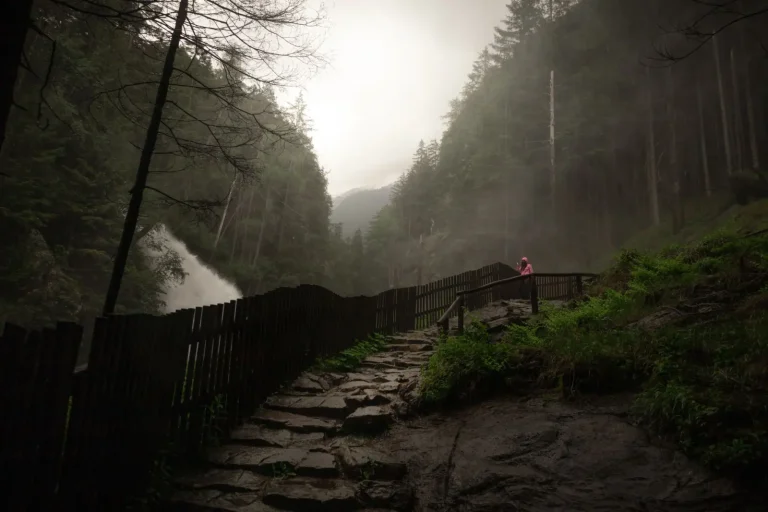
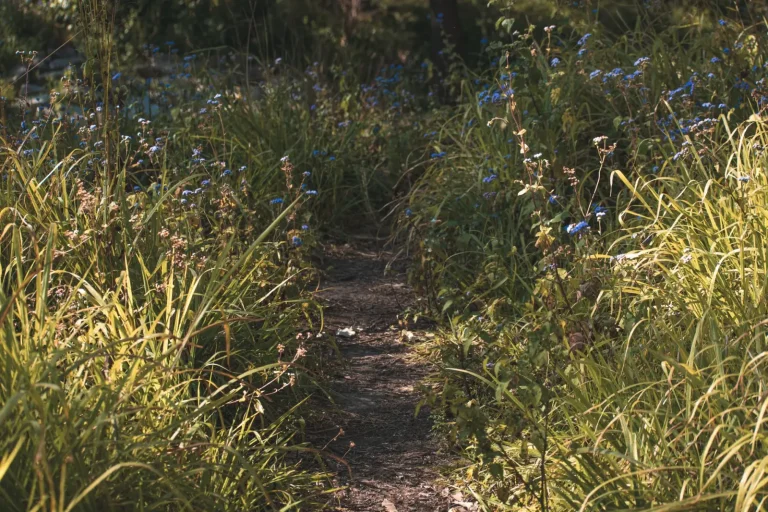
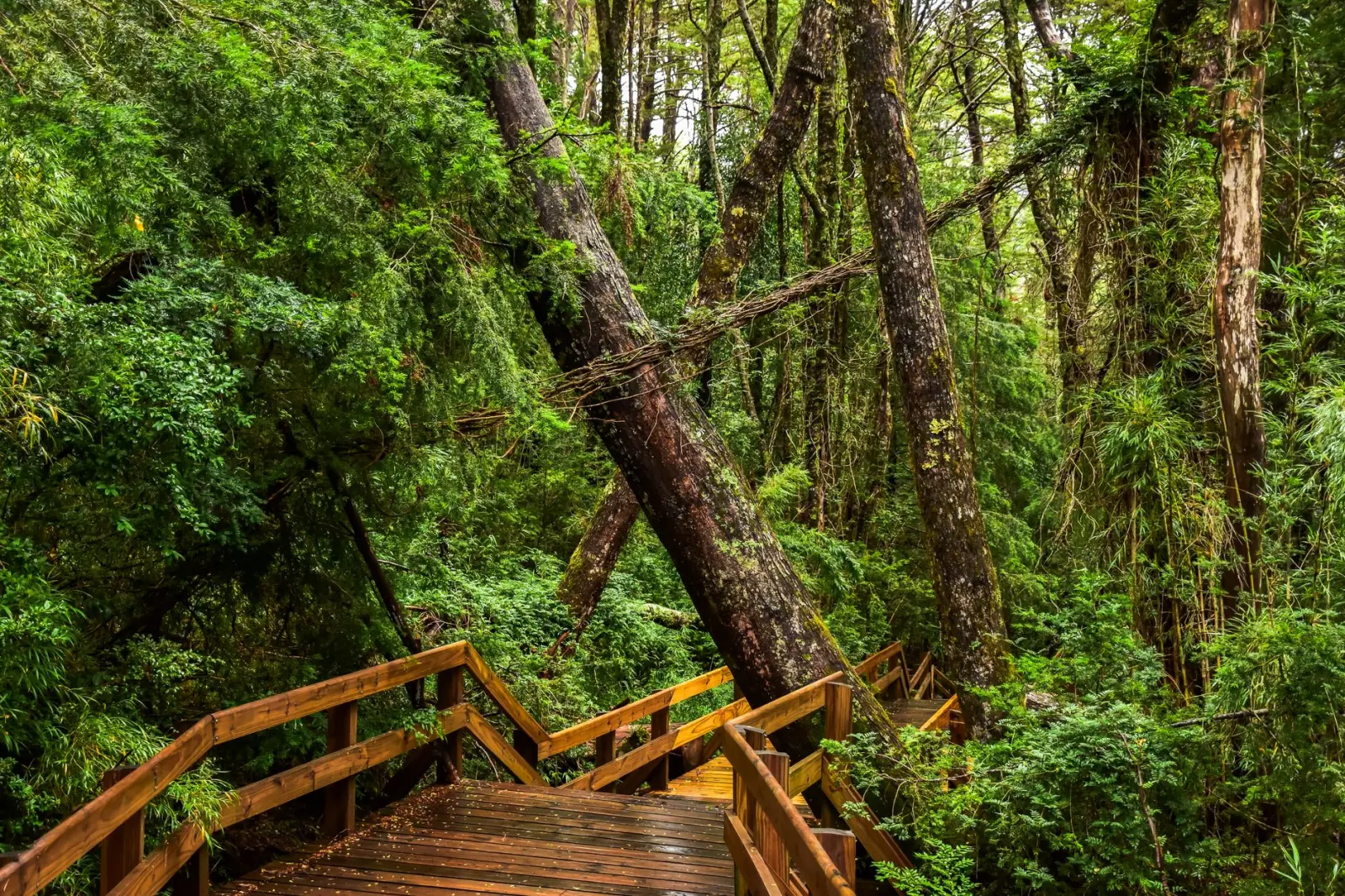
The first thing that strikes most people is how quickly the forest closes in. Ravenshoe’s elevation – around 900 metres – means the vegetation is dense and the canopy sits low. Walking here isn’t like moving through open bushland. You’re navigating around fallen logs, stepping over root systems, and constantly adjusting your line because the “track” isn’t always obvious. This isn’t a problem, exactly. It’s just the condition you’re working within. The forest doesn’t care whether you expected a clear path.
Timing matters more than distance. A walk that might be three kilometres on paper can take substantially longer in practice. The terrain is uneven, the undergrowth catches at your legs, and if you’re moving carefully – which you should be – you’re not covering ground quickly. I’ve watched people arrive at Ravenshoe expecting to knock out a morning walk and be back by lunch. By midday, they’re still moving slowly through the forest, and the afternoon light is already shifting. Plan for half the distance you think you’ll cover, and you’ll have a more realistic experience.
Water and the Wet Season Reality
The rainforest around Ravenshoe depends on water, and that water makes itself known. Even outside the official wet season, the ground holds moisture. Creeks that seem minor on a map become serious obstacles after rain. The soil becomes slick, and what looked like a manageable crossing becomes a careful negotiation. Footwear matters here – not in a gear-catalogue sense, but in a practical, “will my feet slip on wet rock” sense. I’ve seen people in inappropriate shoes turn back not because they were tired, but because they couldn’t trust their footing.
During the wet season, roughly November through March, many of these areas become genuinely difficult to navigate. Creeks swell, visibility drops because of the persistent moisture and low cloud, and the forest floor becomes treacherous. This isn’t peak walking season, though some people attempt it. The forest is still there, still walkable, but you’re fighting conditions rather than enjoying movement.
What the Elevation Actually Means
Ravenshoe’s height creates its own microclimate. The temperature is noticeably cooler than the coast, which sounds pleasant until you’re moving through humid forest and the cooling effect is minimal. The air itself feels thick. Humidity sits high year-round because of the rainforest environment. Bring water, and bring more than you think you need. The cooling sensation from elevation doesn’t translate into lower fluid loss – your body is still working hard in warm, humid conditions.
The elevation also means the forest composition is different from lower-altitude rainforest. You’ll see trees and plants adapted to cooler conditions, which creates a distinct character. It’s not dramatically different, but it’s noticeable if you’ve walked other Queensland rainforest areas. The light quality is different too. The canopy filters everything into a green-grey wash, and your sense of time becomes unreliable. It’s easy to lose track of how long you’ve been moving.
Navigation and Getting Disoriented
The forest looks similar in most directions. This is worth stating plainly because it’s the primary reason people end up uncertain about their location. Marked tracks exist, but they’re not always obvious, and the markers themselves can be obscured by growth or simply missed while you’re watching your footing. Carrying a map and having some navigation sense is practical, not optional. A GPS device or phone with offline maps removes a category of risk entirely.
I’ve encountered people who treated forest navigation casually and found themselves genuinely turned around. They weren’t in danger – the forest around Ravenshoe isn’t vast enough that you can get truly lost – but they’d moved in circles or taken longer, more frustrating routes than intended. The disorientation is real, and it compounds fatigue. If you’re moving through unfamiliar forest, establish waypoints, check your position regularly, and don’t assume the path is obvious.
Wildlife and What You’ll Actually See
The forest is full of life, but you won’t see much of it. Birds are present and vocal, but they’re often above the canopy or hidden in dense growth. Larger animals – cassowaries, wallabies – exist in the area but are not casual encounters. Most of your wildlife experience will be insects. Mosquitoes are present, particularly near water and in humid conditions. Leeches are a genuine consideration during or after rain. They’re not dangerous, but they’re unpleasant, and they’re something you need to manage rather than ignore.
Snakes exist in these forests, but encounters are rare. The forest floor is where they hunt, and they’re far more interested in avoiding you than engaging with you. Wear appropriate footwear, watch where you’re placing your hands if you’re scrambling, and move with reasonable awareness. This isn’t paranoia – it’s just how you move through any Australian forest with sense.
Physical Demands and Pacing
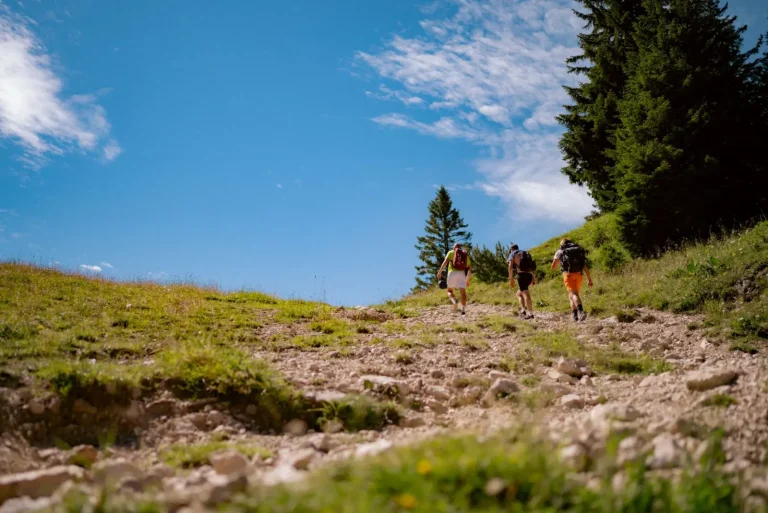
The forest around Ravenshoe is physically demanding in ways that aren’t immediately obvious. It’s not steep climbing – though some sections have elevation change – it’s the constant small adjustments. Your ankles work continuously on uneven ground. Your core engages to maintain balance. Your legs push through resistance from vegetation. By the end of a few hours, you feel it differently than you would from a straightforward uphill walk. The fatigue is distributed across your whole body rather than localized to your legs.
People often underestimate this. They arrive fresh, move confidently for the first hour, and then feel the cumulative effect. Pacing yourself conservatively isn’t weakness – it’s reading the actual conditions and moving accordingly. A slower pace early means you’re still capable later. Pushing hard early often means you’re moving slowly or stopping frequently by midday.
The forests around Ravenshoe reward patience and realistic expectations. They’re not dramatic or extreme, but they demand respect for their actual conditions. The experience improves substantially when you stop expecting them to match the promotional version and instead engage with what’s actually there – dense, humid, uneven terrain that requires attention and time. That’s when the forest becomes interesting rather than frustrating.