
The forest around Buderim Falls operates on its own schedule, and that schedule rarely aligns with what people expect when they arrive with their phone GPS and a rough idea of where they want to go. I’ve walked these trails dozens of times across different seasons, and what strikes me most is how the experience shifts depending on when you show up, what the weather has done in the preceding weeks, and how much foot traffic has moved through the area recently.
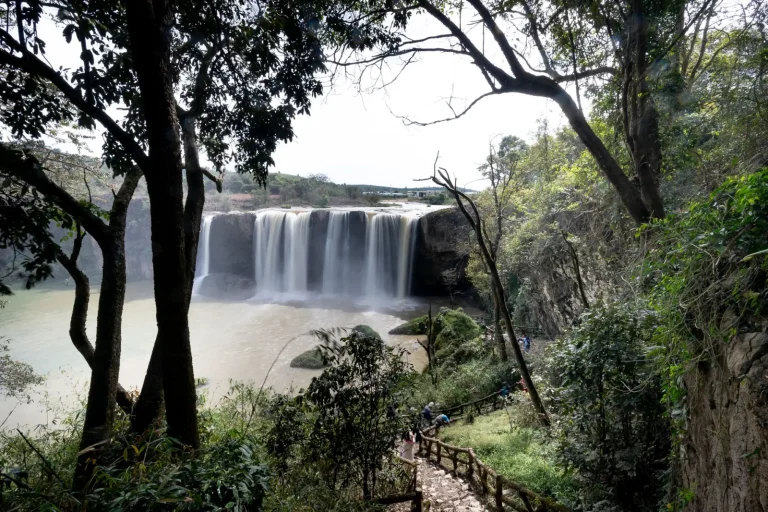
The falls themselves sit in a pocket of rainforest that feels removed from the surrounding suburban sprawl of the Sunshine Coast, but the removal is more psychological than actual. You’re still close enough to hear the occasional distant traffic, and the trails that lead into the forest carry evidence of regular use. The ground underfoot tells a story: where people have walked repeatedly, the soil compacts and water runs off differently. Where fewer people venture, the forest floor stays softer, more prone to holding moisture, and the vegetation grows denser.
Most people approach this walk as a straightforward circuit, and it is, but the straightforwardness masks some practical realities that become apparent once you’re actually moving through the space. The distance is manageable, but the terrain isn’t flat, and the canopy coverage means the light changes constantly as you move. On humid days, which are common, the air feels heavy even when the temperature isn’t particularly high. Your shirt will be damp by the time you’ve been walking for twenty minutes, regardless of your fitness level.
Seasonal Variation and What It Means for Access
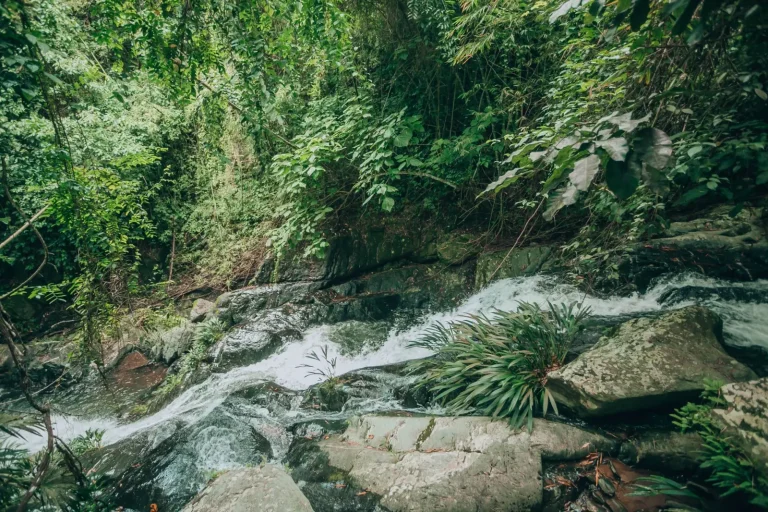
The forest changes noticeably between seasons, and this isn’t just aesthetic. After heavy rain, sections of the trail become genuinely boggy. I’ve seen visitors turn back because they weren’t expecting to step into mud that reaches their ankle. The rocks that line parts of the path become slippery, and what felt like a casual walk in dry conditions becomes a careful, deliberate movement through the forest. The water flow at the falls increases significantly after rain, which is visually impressive but also means the rocks at the base are more hazardous and the mist spray extends further than usual.
In drier periods, the opposite problem emerges. The creek that feeds the falls runs lower, sometimes to a trickle, and the forest feels less lush. The undergrowth dries out, and the risk of stepping on something that snaps or shifts increases. The ground becomes harder, which means your knees and ankles absorb more impact with each step. Neither extreme is ideal, and there’s a narrow window of conditions where everything feels balanced.
The Reality of Trail Conditions and Navigation
The main trail is well-defined, but “well-defined” is relative. Markers exist, but they’re not constant, and if you’re not paying attention, it’s easy to take a side track that looks promising but leads nowhere. I’ve encountered people who’ve spent an extra thirty minutes in the forest simply because they followed what seemed like a logical path without confirming it was the actual route. The forest doesn’t punish this severely – you’re not going to get genuinely lost – but it does cost time and energy.
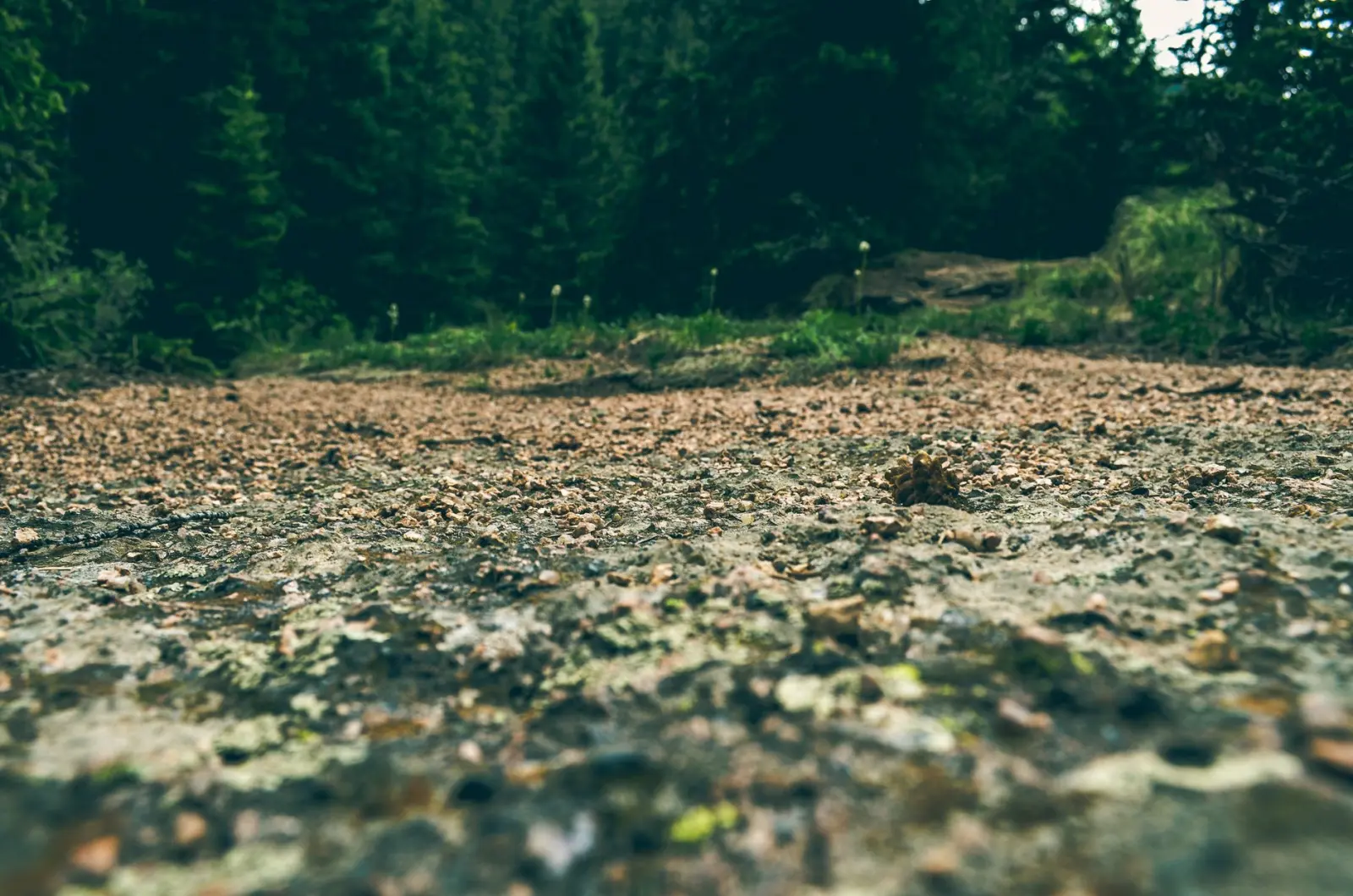
The trail surface varies. Some sections are packed earth, others are root-heavy and require careful foot placement. Loose gravel appears in patches, and there are stretches where the path runs over exposed rock. If you’re wearing inappropriate footwear – and many people are – this becomes noticeable quickly. Casual sneakers work, but they offer minimal grip on wet rock, and trail shoes make a measurable difference, particularly after rain or in humid conditions when everything is damp.
Timing, Fatigue, and Realistic Expectations
The walk takes most people between 45 minutes and an hour and a half, depending on pace and how long they spend at the falls themselves. That’s not a long walk by any objective measure, but it’s longer than it appears on a map. The elevation gain is moderate but consistent, and it accumulates. People often underestimate how tired they’ll feel, particularly if they’re not regular walkers or if they’ve arrived early in the morning without eating properly.
The return journey feels longer than the outbound leg, which is a common psychological phenomenon but also reflects the actual fatigue setting in. Your legs are working harder, your attention is less sharp, and the forest starts to feel repetitive. This is when people make small mistakes – stepping awkwardly, moving too quickly on uneven ground, or simply losing focus on where they’re placing their feet.
Midday visits tend to be busier, which changes the experience. More people means more noise, and the forest feels less like a retreat and more like a managed recreational space. Early morning or late afternoon visits are quieter, but the light is lower, which affects visibility and makes the trail feel slightly more challenging to navigate. There’s no perfect time, only different trade-offs.
What the Forest Reveals About Visitor Patterns
The evidence of foot traffic tells you things that statistics can’t. Certain sections show erosion patterns that indicate where most people step, and these worn paths are often the safest routes because they’ve been tested by hundreds of feet. Other areas remain relatively pristine, which usually means they’re either less obvious or slightly more difficult to access. The forest around the falls has developed informal hierarchies of use, and understanding these patterns makes the walk more efficient and safer.
Wildlife presence varies. You’re unlikely to encounter anything dangerous, but you will see evidence of birds, small mammals, and insects. The sounds change depending on the time of day and season. Early morning brings more bird activity. Late afternoon is quieter. This matters because sound is your primary way of orienting yourself in the forest, and a sudden absence of familiar sounds can indicate you’ve taken a wrong turn.
The falls themselves are the focal point, and people spend time there, but the real value of exploring the forest is in the walking itself, in understanding how the terrain works and how your body responds to it. The falls are a destination, but the forest is the experience. Most visitors spend five to ten minutes at the falls before heading back, which suggests they’re treating the walk as a means to an end rather than the actual activity. That’s a valid approach, but it means they’re missing the subtler aspects of how the forest functions and changes.