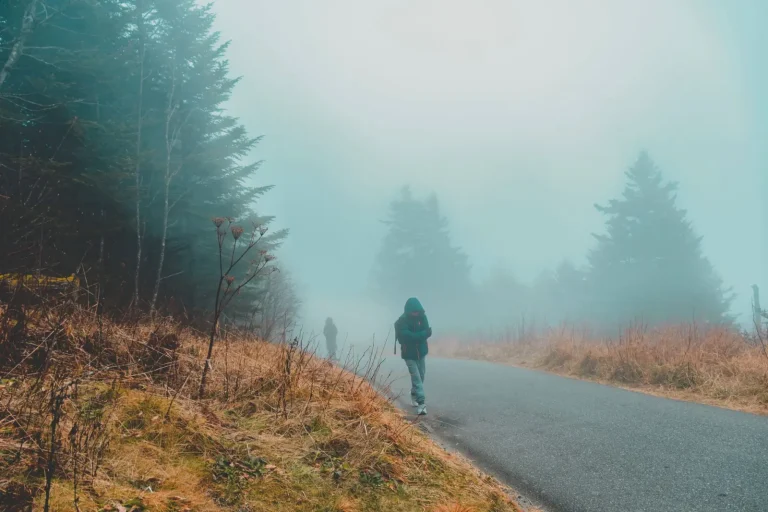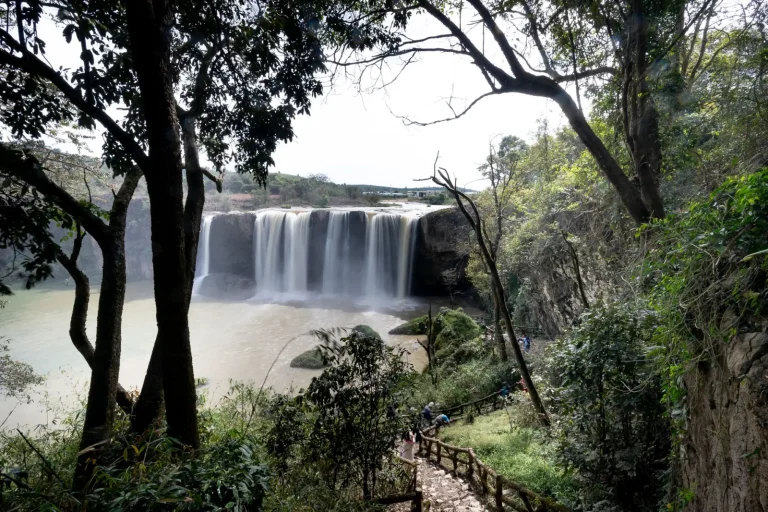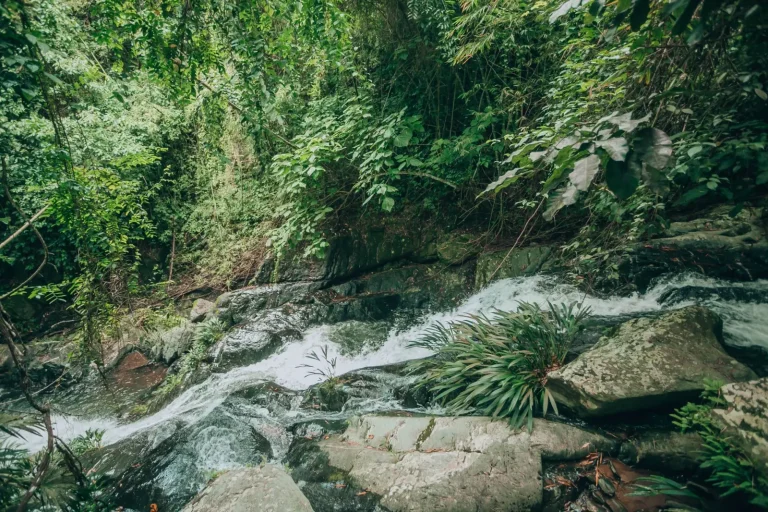

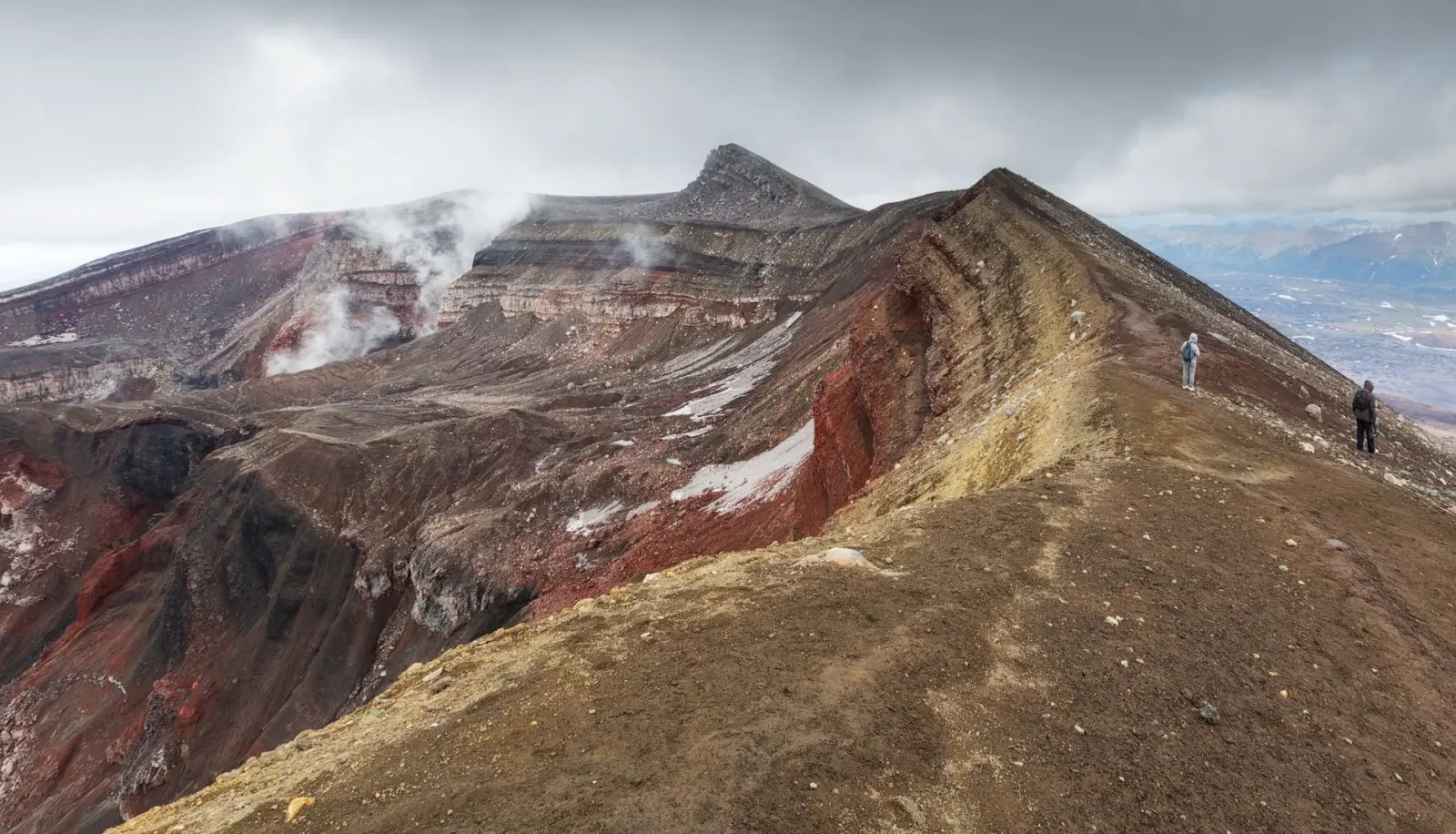
The Glass House Mountains region sits about an hour north of Brisbane, and the forest here behaves differently than most people anticipate. I’ve walked these trails across different seasons and times of day, and what strikes me most is the gap between how the area is marketed and what actually happens on the ground. The volcanic peaks are real enough, and the forest is genuinely beautiful, but the experience involves specific physical demands and environmental conditions that deserve straightforward explanation.
The landscape itself comes from ancient volcanic activity. The mountains rise abruptly from relatively flat bushland, which means the forest floor changes character depending on elevation and aspect. On the lower slopes, you’re moving through eucalyptus woodland with a thick understory of native shrubs. The canopy opens and closes unpredictably. This matters because it affects temperature, humidity, and how quickly you dry out after rain. Higher up, the vegetation becomes denser and more tangled. The soil shifts from sandy to rocky, and the root systems become more prominent and uneven underfoot.
Timing and Fatigue Patterns
Most people start walking in the morning, which is sensible, but the timing of your start affects the entire experience. A 7 a.m. start means you’ll hit the steeper sections before midday heat builds. By 9 or 10 a.m., the sun begins to press down through the canopy gaps, and the humidity rises noticeably. The forest doesn’t cool you as much as people assume. Yes, the trees provide shade, but the air becomes still and heavy. Your sweat doesn’t evaporate efficiently. This is when fatigue accelerates beyond what the distance alone would suggest.
The actual walking rhythm is broken into distinct phases. The initial section is often deceptively easy, which leads people to overestimate their pace. Then comes the first serious climb, which is where most walkers recalibrate their expectations. The steepness varies, but you’re regularly placing your foot a foot or more higher than the previous step. Your quads and glutes work hard. After 45 minutes to an hour of this, your legs have a specific kind of fatigue that doesn’t ease quickly. You can keep moving, but your cadence slows. This is normal, not a sign of poor fitness.
The forest floor itself is a constant negotiation. Rocks are embedded in soil, roots cross the path at ankle height, and loose gravel appears without warning. You need to watch your foot placement constantly. This mental engagement, combined with the physical effort, creates a different kind of tiredness than road walking. Your concentration doesn’t waver easily, but it does accumulate. By the time you’ve been in the forest for two hours, your attention is noticeably less sharp than it was at the start.
Water and Heat Management
The forest creates a false sense of coolness. Because you’re under tree cover and the air feels damp, people consistently underestimate how much fluid they’re losing. I’ve seen walkers arrive at a peak or clearing looking visibly dehydrated, claiming they didn’t feel thirsty. The combination of exertion, humidity, and the psychological comfort of shade is deceptive. Carrying water isn’t optional. The region has limited reliable water sources on the trails themselves, so you need to bring what you’ll need for the entire walk.
The standard recommendation is about 2 liters for a half-day walk, but this depends entirely on your pace, the specific route, and the season. In summer, you might need more. In cooler months, you might use less, but you still need to carry it. The weight of water is real – it adds 2 kilograms to your pack – and this matters on steep sections. Some walkers compromise by carrying 1.5 liters and rationing carefully. This works if you’re disciplined and if you know the walk well enough to predict where you’ll be at specific times.
Navigation and Trail Conditions
The trails are generally well-marked, but “well-marked” in the context of Australian bushwalking means painted blazes on trees and occasional cairns. It doesn’t mean a manicured path with clear edges. In sections where the forest is dense, the trail can be ambiguous. Multiple informal paths branch off where walkers have taken shortcuts or explored side routes. This is particularly true near the base of peaks and in areas where the ground is rocky. If you’re not paying attention, you can drift onto a less-traveled route without immediately realizing it.
The condition of the trail changes with weather and season. After heavy rain, drainage becomes an issue. Water sits in low points, and the soil becomes slippery. Rocks that are stable when dry can shift underfoot when wet. The vegetation also changes. In spring, new growth can obscure the path temporarily. In autumn, fallen leaves cover rocks and roots, which increases the risk of missteps. Winter brings the most stable conditions – cooler temperatures, lower humidity, and generally drier ground – but it also means shorter daylight hours, which affects how much time you have to complete a walk.
Wildlife and Environmental Awareness
The forest is inhabited, and you’re moving through someone else’s space. Snakes are present, though encounters are rare. Most snakes move away from vibration and noise, so talking or making sound as you walk reduces the chance of a surprise encounter. Spiders are more noticeable. Orb-weaver webs cross the trail regularly, particularly in early morning or after rain. You’ll walk through them occasionally. It’s unpleasant but harmless. Ticks are a genuine consideration, particularly in warmer months. They’re small, they’re hard to see, and they embed themselves in skin. Checking yourself after a walk is worthwhile.
Insects are constant. Mosquitoes are present near water or damp areas. Biting flies appear in certain seasons. Insect repellent helps, though nothing eliminates the problem entirely. The forest is also noisy with bird calls, particularly in early morning. This is pleasant until you realize that the noise can mask the sound of approaching weather or other walkers, which matters if you’re concerned about navigation or safety.
Practical Realities of Return and Recovery
The walk down is harder than many people expect. Descending puts different stress on your knees and ankles. The impact is repetitive and unforgiving, particularly on steep sections. Your legs are already fatigued from the ascent, so your control and stability are compromised. This is when most minor injuries happen – twisted ankles, knee strain, foot blisters from the repetitive impact. Good footwear matters significantly. Shoes with adequate ankle support and a grippy sole reduce the risk considerably.
By the time you exit the forest and return to the car park, you’ve been on your feet for three to four hours, depending on the route and your pace. You’re sweating, possibly dehydrated despite drinking water, and your legs feel heavy. The transition back to normal activity is abrupt. You drive home, and the soreness becomes apparent over the next 12 to 24 hours. This is particularly true for your quads and glutes. The soreness isn’t dangerous, but it’s real, and it affects how you move for several days.
The Glass House Mountains offer genuine forest walking, and the experience is worth the effort. But it’s not a casual stroll. It’s a physical engagement with terrain that demands attention, preparation, and realistic expectations about what your body will experience. The forest doesn’t care about your fitness level or your intentions. It simply presents its conditions, and you either adapt to them or struggle against them.