
After years of walking people through rainforests across Central America, Southeast Asia, and Australia, I’ve noticed that beginners often arrive with a skewed sense of what they can handle. The problem isn’t usually fitness. It’s that rainforest walking operates by different rules than hiking in temperate zones. The heat, humidity, and terrain work together in ways that catch people off guard. A trail that looks modest on paper can feel punishing after an hour, while a technically demanding path might feel manageable because the dense canopy keeps temperatures lower than expected.
The real difference between a beginner-friendly rainforest walk and one that will leave you frustrated comes down to a few practical factors. Trail maintenance matters enormously. A well-cleared path with decent footing moves you steadily. A neglected trail forces constant micro-decisions about where to step, which burns mental energy as much as physical effort. Elevation gain, even modest slopes, feels heavier in humidity. And the psychological weight of dense vegetation pressing in around you – that’s real, and it affects how long people can sustain effort.
What Makes a Rainforest Walk Actually Doable
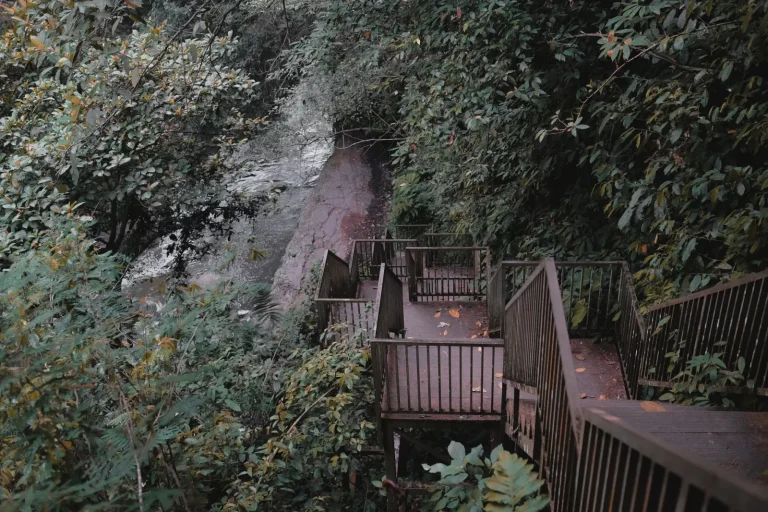
The trails that work best for people without serious hiking experience share a few characteristics. They’re usually shorter than you’d think – two to three hours of actual walking, not including stops. They have clear, obvious footing for most of the distance. They offer something visually rewarding within the first 30 minutes, which keeps morale up. And they don’t involve scrambling over roots or navigating muddy sections that require genuine technique.
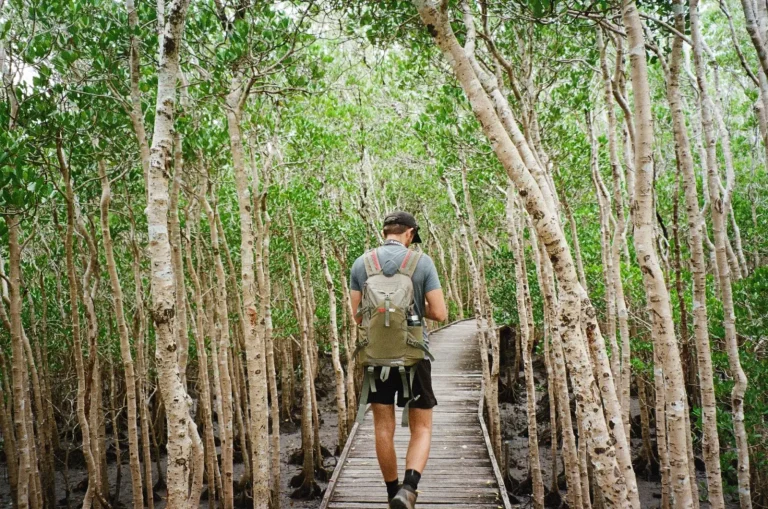
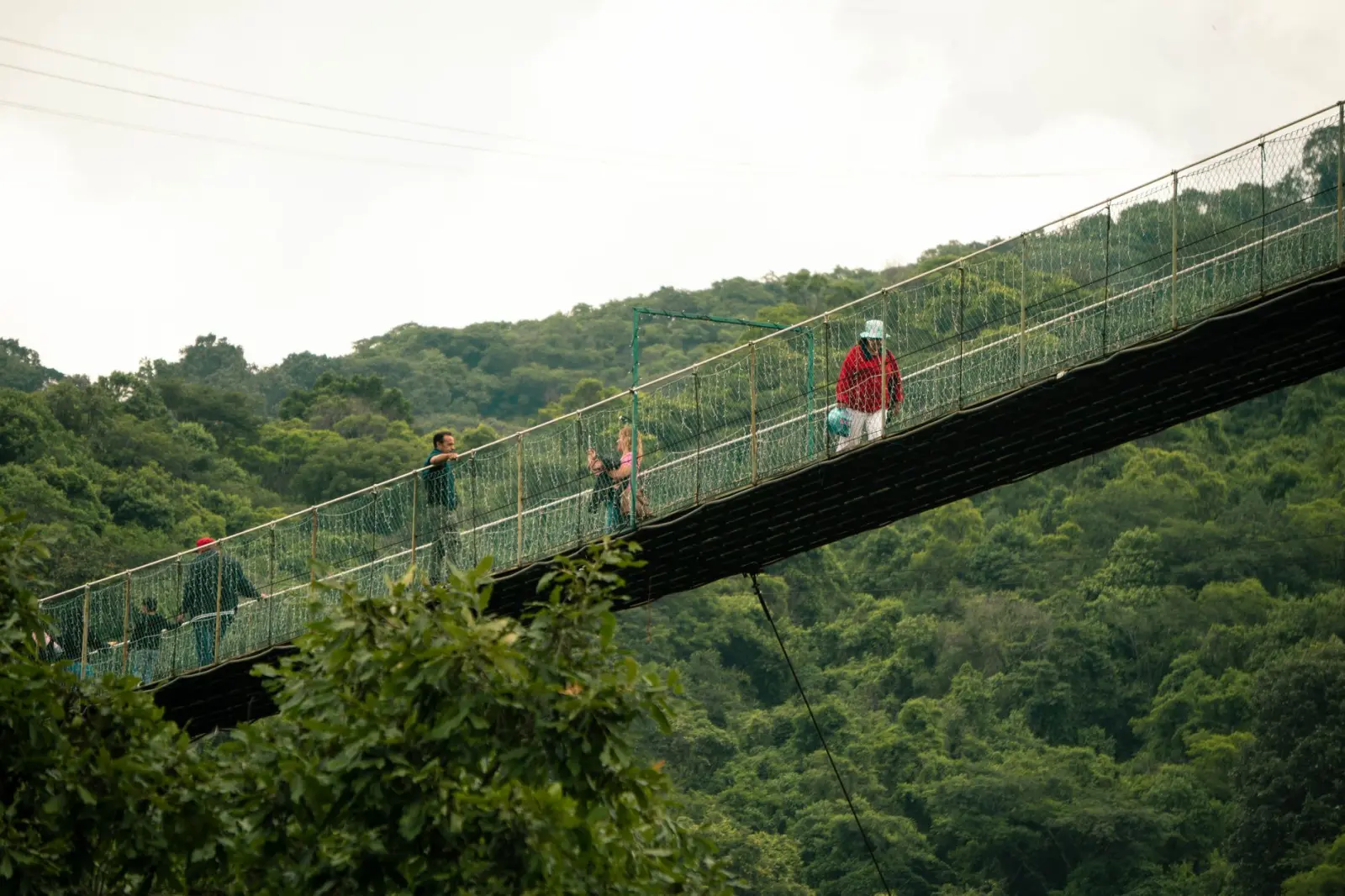
I’ve walked the Arenal Hanging Bridges trail in Costa Rica dozens of times with mixed groups. It’s a circuit that takes about three hours including stops, and it works because the path is engineered. Boardwalks and suspension bridges mean your feet stay dry, your footing is predictable, and you’re not constantly scanning the ground. The canopy is close enough to feel immersive but not claustrophobic. People see sloths, toucans, and leaf-cutter ants without needing to bushwhack. It’s not wilderness, but it delivers the rainforest experience without the physical toll.
The Mossman Gorge walk in Queensland, Australia operates similarly. The main circuit is about 2.5 kilometers and stays mostly level. The creek runs alongside the path, which provides orientation and a sense of progress. The rock pools at the end give people a concrete destination. What matters here is that the trail doesn’t demand anything unexpected. You walk, you see the gorge, you’re done. No surprises, no scrambling, no sections where you wonder if you’re still on the path.
The Humidity Factor Nobody Mentions
Rainforest heat is deceptive because it doesn’t feel like desert heat. There’s no sun bearing down on you, so your body doesn’t register urgency the same way. But you’re sweating constantly, and that sweat isn’t cooling you efficiently because the air is already saturated. People hit a wall around 90 minutes into a walk when they haven’t drunk enough water or eaten anything. They suddenly feel dizzy or nauseous. It’s not the trail’s fault. It’s that their body has been working harder than they realized.
This is why I always recommend eating something substantial before a rainforest walk, not just coffee and toast. Your metabolism is working overtime in that environment. Bring water – more than you think you need. A liter per person per hour is a reasonable baseline, though it varies by individual and by how hot the specific trail is. Some rainforest sections are genuinely cool because the canopy is so dense. Others are swampy and stifling. Know which one you’re walking into.
Terrain That Looks Easy but Isn’t
Muddy sections are the most common problem I see. A patch of mud that looks ankle-deep can actually be thigh-deep if you step in the wrong spot. People lose confidence fast when they’re suddenly thigh-deep in mud, even if it’s only for a few meters. Roots across the path are another issue. They’re not dangerous, but they require attention and small adjustments in your gait. After 45 minutes of watching your feet, mental fatigue sets in.
The Daintree Rainforest in Australia has several short walks that manage this well. The Mossman Gorge walk I mentioned earlier stays mostly clear. But if you venture onto the Marrdja Boardwalk or the Koolpin Gorge trail, you’re dealing with more natural terrain. The Koolpin walk is only about 4 kilometers, but it includes creek crossings and uneven ground. It’s still beginner-accessible, but it requires a different mindset. You’re moving slower, paying more attention, and that changes how long the walk feels.
Timing and Crowd Management
Starting early matters more in rainforests than on regular trails. The heat builds through the day, and by mid-afternoon, even a short walk becomes unpleasant. Early morning also means fewer insects, though this varies by location and season. In some places, the insects are minimal regardless of time. In others, they’re relentless.
Popular trails get crowded, and that’s worth considering. The Arenal Hanging Bridges can feel like a conveyor belt during peak season. That’s not necessarily bad – guided groups move at a steady pace, and you see the same wildlife – but it changes the experience. If you want something quieter, lesser-known rainforest walks exist everywhere. They’re often maintained less formally, which means they demand slightly more from you. It’s a trade-off.
The Khao Yai National Park trails in Thailand offer a good middle ground. The main trails are maintained but not overcrowded. The Haew Suwat Waterfall trail is short and flat, about 2 kilometers round trip. It’s genuinely easy, and the waterfall is worth seeing. Other trails in the same park are slightly longer and hillier, but still accessible to people without hiking experience. The park is well-organized, which means you’re not wondering if you’re lost or on the right path.
Knowing When to Turn Back
I’ve learned to watch for specific signs that someone is struggling. Frequent stops that aren’t about taking in the view. Labored breathing that doesn’t recover quickly. Sudden quietness after someone’s been chatty. These aren’t signs of weakness. They’re signals that the heat and humidity are catching up. A good rainforest walk is one where you finish feeling tired but satisfied, not exhausted or frustrated.
The trails that work best for beginners are the ones where you can honestly say you could have gone further if you wanted to. That’s the sweet spot. You’ve experienced the rainforest, you’ve seen wildlife, you’ve felt the humidity and the density of the vegetation, and you’re ready to stop. You’re not limping back to the trailhead wondering why you didn’t turn around 20 minutes earlier.
Rainforest walking is genuinely different from other hiking. The environment is forgiving in some ways – the soft ground is easier on joints, the shade keeps temperatures moderate – but demanding in others. The best beginner trails acknowledge both realities. They’re short enough to be manageable, clear enough to be navigable, and rewarding enough to justify the effort. After that, it’s just a matter of showing up hydrated, starting early, and being honest about your pace.