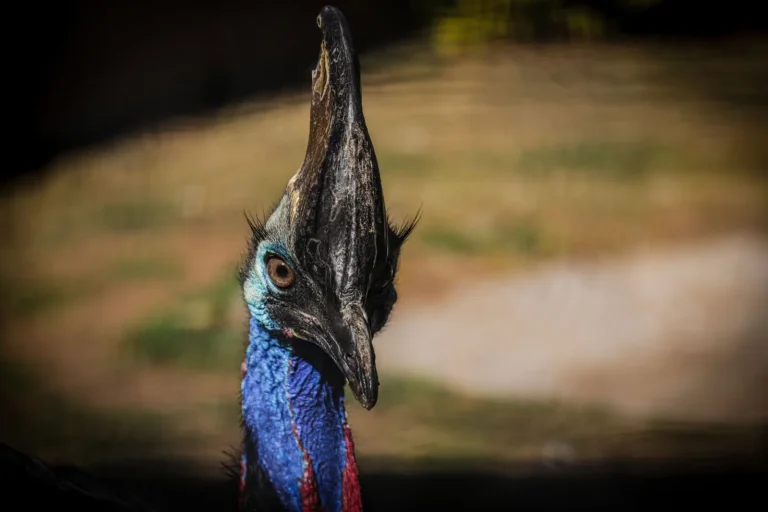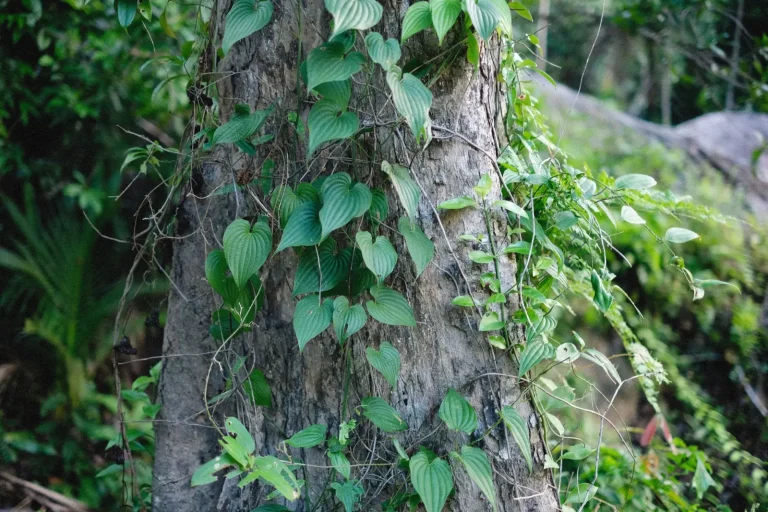

Spend enough time in a rainforest canopy or on the forest floor at midday, and you understand immediately why low light is the defining constraint of that environment. Even at noon, the light reaching the ground is often less than 1% of what exists above the canopy. This isn’t darkness in the absolute sense – your eyes do adjust – but it’s dim enough that many animals have evolved radically different visual systems than their open-habitat cousins. The adaptations aren’t uniform. What works for a nocturnal frog doesn’t work for a daytime bird, and what a snake relies on tells a different story entirely.
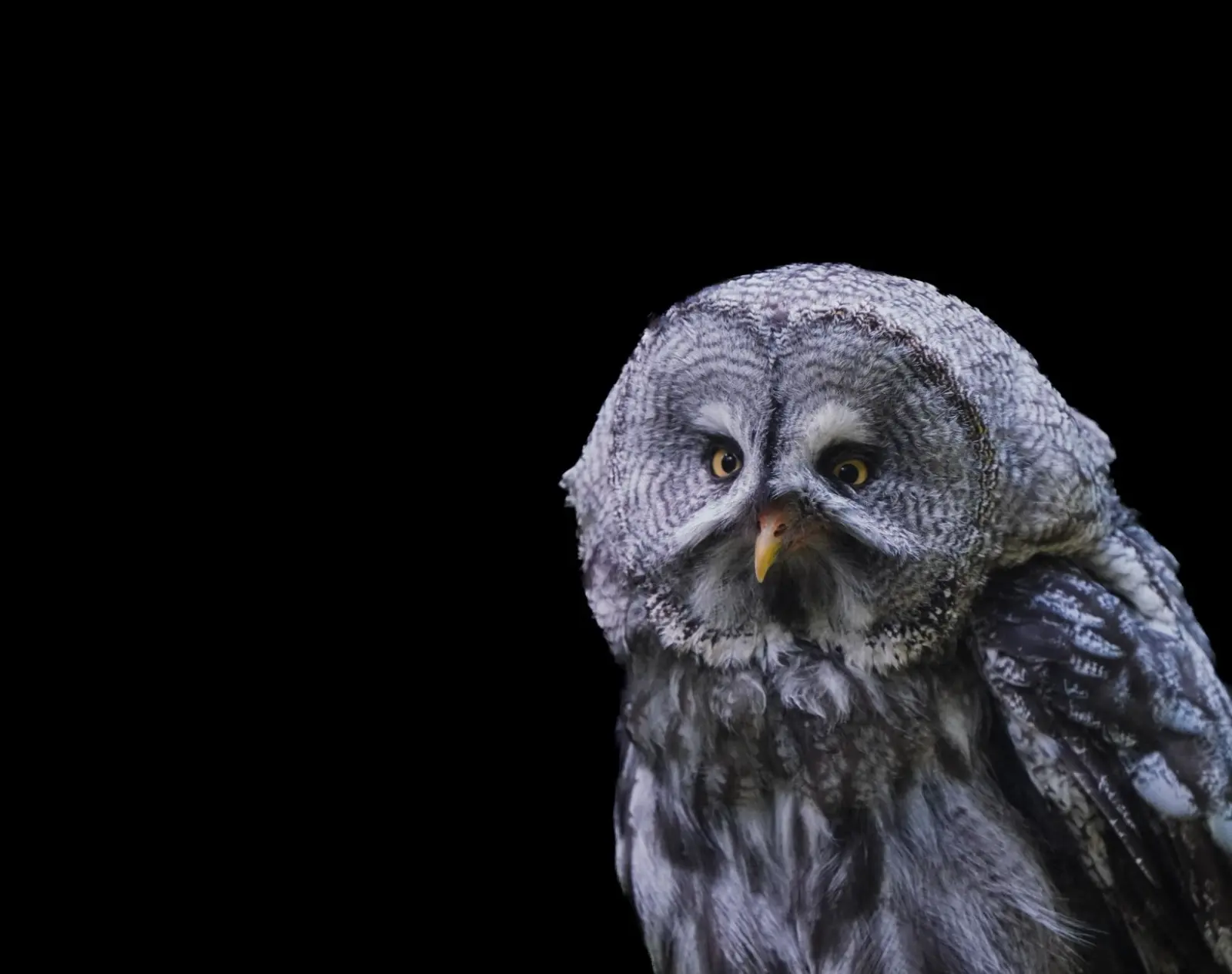
The most obvious adaptation is the sheer size of the eyes relative to body mass. Nocturnal rainforest animals – owls, pottos, many frogs – have enormous eyes compared to their diurnal relatives. A tarsier’s eyes are proportionally larger than a human’s, and they don’t move much in their sockets because there isn’t room. The eye itself is elongated rather than spherical, which increases the distance light travels through the lens and allows more photons to strike the retina. This is a real tradeoff: those massive eyes are metabolically expensive to maintain, and they limit peripheral vision. But in a dim environment where detecting a single moving insect or small mammal can mean the difference between feeding and going hungry, the investment makes sense.
The Rod-Heavy Retina
Inside the eye, the distribution of photoreceptors – rods and cones – determines what an animal can actually see. Rainforest nocturnal animals have retinas dominated by rods, which are exquisitely sensitive to low light but don’t perceive color well and struggle with fast motion. A nocturnal gecko’s retina might be 90% rods. A human’s is about 95% cones, which is why we see color clearly in daylight but are nearly blind at night. The rod-cone ratio isn’t just a number; it shapes the entire sensory world the animal inhabits. A nocturnal frog hunting insects in near-total darkness has sacrificed color vision for the ability to detect movement and shape in conditions where a human would see nothing.
Cones, by contrast, are what diurnal animals rely on. But rainforest canopy birds that forage in dappled light have evolved cones with unusual pigments – visual pigments shifted toward the blue and ultraviolet end of the spectrum. This isn’t random. The light that penetrates the canopy is often shifted toward shorter wavelengths because longer red wavelengths are absorbed by the dense foliage above. A macaw or toucan’s visual system is tuned to the light that actually exists in its habitat, not the light that would exist in open air. This is why bringing a rainforest bird into bright sunlight sometimes reveals colors in its plumage that aren’t visible in the forest itself – the bird’s eye and the light environment evolved together.
The Reflective Layer Behind the Retina
Many rainforest animals have a structure called a tapetum lucidum, a reflective layer of cells behind the retina that bounces light back through the photoreceptors a second time. This effectively doubles the light signal reaching the rods and cones. It’s why a cat’s or crocodile’s eyes glow in a flashlight beam – that’s the tapetum reflecting light back out of the eye. Rainforest animals with this adaptation include many nocturnal mammals, snakes, and some frogs. The cost is a slight loss of visual acuity because the reflected light scatters somewhat, but in a dim environment, sensitivity matters far more than sharpness.
Not all rainforest animals have a tapetum, and its presence or absence tells you something about that animal’s ecological niche. Primates, for instance, mostly lack a tapetum, which is one reason they’re relatively poor at night vision compared to other rainforest mammals. Instead, primates rely on color vision and excellent daytime sight – they’re adapted for life in the brighter upper canopy and for finding ripe fruit, which requires good color discrimination. A nocturnal primate like a night monkey compensates with enormous eyes and a rod-heavy retina, but it still can’t match the night vision of a cat-sized carnivore.
Behavioral Shifts and Sensory Redundancy
Pure vision isn’t enough in a rainforest, and most animals don’t rely on it alone. A hunting snake in near-darkness uses heat-sensing pits along its jaw to detect warm prey. A frog uses sound and vibration detection as much as vision. Many nocturnal mammals have whiskers and tactile hairs that allow them to navigate and hunt by feel. The point is that low-light adaptation isn’t just about the eye – it’s about how the entire sensory system is weighted and integrated.
Timing and behavior matter too. Many rainforest animals are crepuscular rather than purely nocturnal, meaning they’re most active at dawn and dusk when there’s still some light but competition is lower. Others are strictly nocturnal but hunt in the brightest parts of the night – on moonlit nights or in areas where bioluminescent insects provide ambient light. A rainforest jaguar might hunt at any hour, but it’s most successful in the darkest conditions when its superior night vision gives it an advantage over prey that can’t see as well.
The reality of rainforest low-light adaptation is that there’s no single solution. Evolution has produced dozens of different strategies, each optimized for a specific ecological role. A harpy eagle hunting monkeys in the canopy has evolved for speed and color vision in dappled light. A fer-de-lance snake hunting small mammals on the forest floor has evolved heat sensing and a body length that lets it ambush from dense cover. A poison dart frog, active in the daytime leaf litter, has evolved bright warning colors and relies on chemical defense rather than visual camouflage. Each animal’s visual system is a precise match to the light conditions it actually experiences and the hunting or feeding challenge it actually faces.