
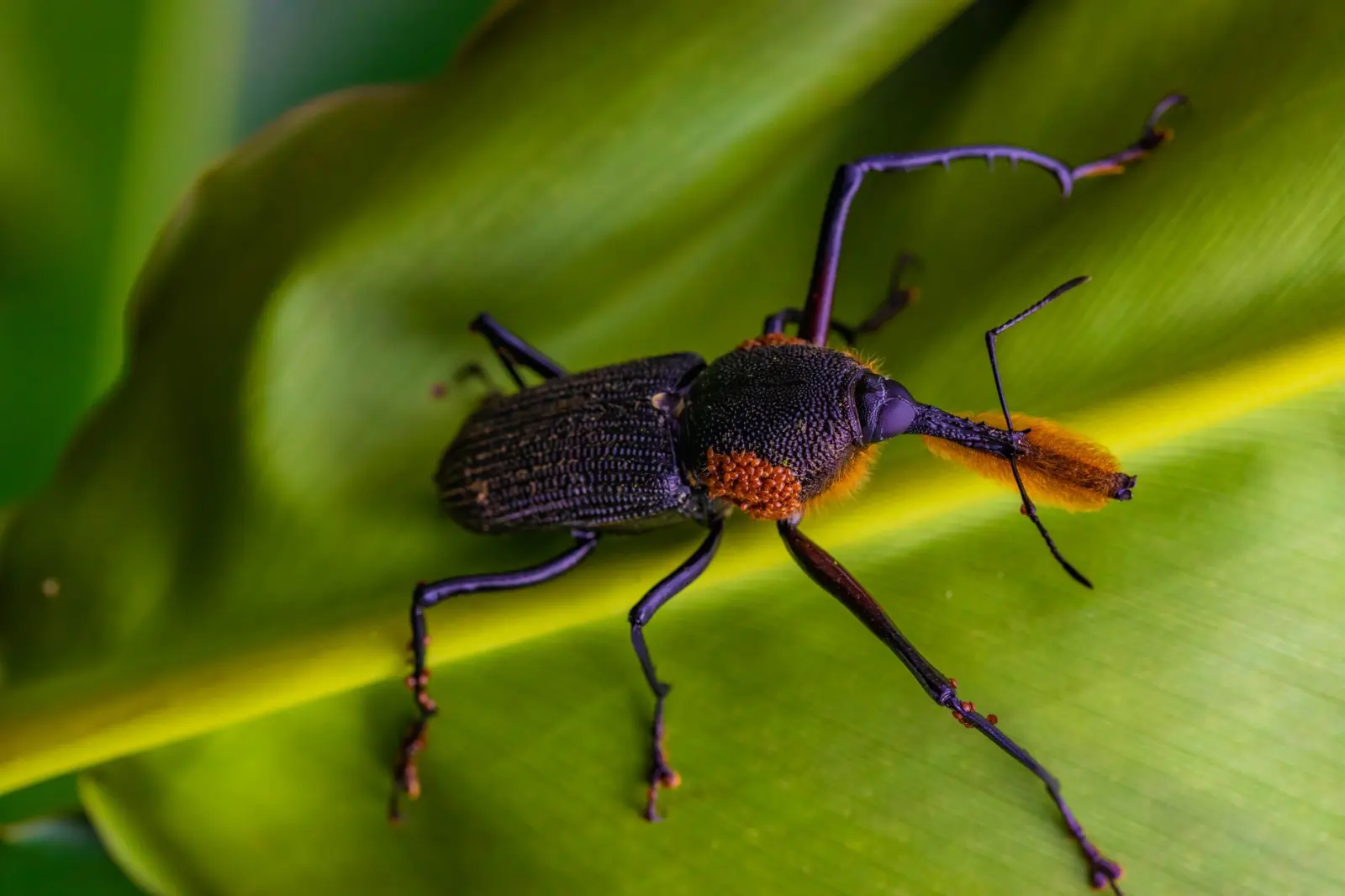
After years of working in Australian rainforests, I’ve learned that beetles are far more than incidental inhabitants. They’re structural engineers of the forest floor, and their presence or absence signals whether a rainforest is functioning as it should. Most visitors see the canopy – the towering trees and vines – but the real work happens in the leaf litter and rotting wood, where beetles orchestrate the breakdown of dead matter and the return of nutrients to soil.
The sheer diversity is what strikes you first. Australian rainforests host thousands of beetle species, many found nowhere else on Earth. Some are tiny, barely visible without a hand lens. Others are substantial enough that you hear them moving through debris. What matters ecologically isn’t their size, but their feeding habits and the cascading effects those habits create across the forest system. A single fallen log can support dozens of beetle species simultaneously, each occupying a different niche, processing wood at different rates, and leaving the substrate in different states for the next wave of decomposers.
Decomposition and the Nutrient Cycle
Beetle larvae are voracious wood feeders. Species like the longhorn beetles (Cerambycidae) tunnel through freshly fallen timber, their larvae creating galleries that honeycomb the wood for months or years. This isn’t random damage – it’s the primary mechanism by which woody material breaks down in rainforest ecosystems. Without these beetles, fallen trees would persist intact far longer, locking up carbon and nutrients that the living forest needs.
The process works in stages. Early colonizers – beetles that arrive within weeks of a tree falling – begin the fragmentation process. Their feeding creates pathways for moisture and fungi to penetrate deeper into the wood. As the wood softens and becomes more accessible, later-arriving species move in, each group processing a slightly different stage of decay. This succession isn’t accidental. It’s driven by chemical changes in the wood itself, and beetles have evolved to detect and exploit these shifts. By the time a log has been in the forest for several years, it’s often reduced to crumbly, nutrient-rich material that blends back into the soil.
I’ve watched this process in real time by marking fallen logs and returning to them over seasons. The beetles’ contribution is measurable: logs processed by beetle activity decompose roughly 30 to 50 percent faster than logs in beetle-exclusion experiments. That acceleration matters enormously in a rainforest where nutrient availability often limits plant growth. The nitrogen and phosphorus released from decomposing wood become available to plant roots, fungi, and the broader soil community within years rather than decades.
Predation and Pest Suppression
Not all rainforest beetles are decomposers. Many are active predators, hunting other invertebrates in the leaf litter and on vegetation. Ground beetles (Carabidae) are particularly efficient hunters, patrolling the forest floor at night and consuming enormous quantities of smaller arthropods. Over a season, a single ground beetle can consume hundreds of prey items. This predatory activity keeps populations of leaf-eating insects, fungal gnats, and other potential pests in check.
This predatory role becomes especially visible when beetle populations crash – which can happen after heavy pesticide use or during extended dry periods. When predatory beetles disappear, populations of leaf-eating insects often explode, leading to visible defoliation and stress in understory plants. I’ve seen this pattern repeatedly in rainforests adjacent to agricultural areas where insecticide drift occurs. The loss of beetles cascades upward through the food web, affecting birds and small mammals that depend on invertebrate prey.
Seed Dispersal and Plant Regeneration
Some rainforest beetles play an unexpected role in plant reproduction. Certain beetle species are attracted to specific seeds or fruits, feeding on them and, in the process, dispersing them across the forest floor. This is particularly true for beetles that feed on seeds with fleshy arils or those with nutrient-rich seed coats. While not as dramatic as bird or mammal seed dispersal, beetle-mediated dispersal is consistent and, for some plant species, essential.
The relationship often extends beyond simple dispersal. Some beetle larvae develop inside seeds, and their feeding activity can actually improve germination rates by scarifying the seed coat or removing chemical inhibitors. This mutualistic relationship – where both beetle and plant benefit – demonstrates how tightly integrated rainforest beetles are with plant life cycles. Remove the beetles, and certain plants struggle to establish themselves in the regenerating forest.
Fungal Interactions and Forest Health
Beetles and fungi have a complex relationship in rainforests. Many wood-boring beetles carry fungal spores in specialized pouches called mycanetia. As the beetles tunnel through wood, they inoculate it with these fungi, which accelerate decay and make the wood more palatable to beetle larvae. In return, the fungi benefit from the beetle’s dispersal and the access to new wood resources. This partnership speeds decomposition and nutrient cycling significantly.
However, some fungal-beetle relationships are less benign. Certain beetles can carry pathogenic fungi that damage living trees, particularly when beetle populations are high or trees are stressed. In Australian rainforests, this is generally not a major issue, but it’s worth monitoring, especially as climate change alters tree stress levels and beetle phenology. The balance between beneficial fungal-beetle partnerships and problematic ones depends heavily on forest health and environmental conditions.
I’ve also observed that beetles are reliable indicators of fungal diversity in the forest. Areas with high beetle populations tend to have robust fungal communities, which makes sense given their interdependence. When surveying rainforest health, the presence of diverse beetle assemblages often correlates with healthy fungal networks – and healthy fungi mean better nutrient cycling and more resilient trees.
Climate Sensitivity and Forest Adaptation
Rainforest beetles are sensitive to moisture and temperature fluctuations. Many species have narrow ecological tolerances, particularly those adapted to the stable, humid microclimate of the forest floor. Extended dry periods can devastate populations, and this sensitivity makes beetles useful indicators of climate stress in rainforests. When I notice a decline in beetle activity during a drought, it often signals broader ecosystem stress that may not be immediately visible in the canopy.
The timing of beetle emergence and activity is also shifting in response to warming temperatures. Species that historically emerged in spring are now active earlier, sometimes before their preferred food sources are available. This phenological mismatch can reduce survival rates and alter the competitive dynamics among beetle species. Over time, this could reshape which beetles dominate the rainforest, with cascading effects on decomposition rates and nutrient cycling.
What I find most compelling about rainforest beetles is that their ecological roles are largely invisible to casual observation, yet absolutely fundamental to forest function. They’re not charismatic megafauna, but they’re the reason a rainforest can sustain itself – why dead wood becomes soil, why pests don’t overrun the understory, and why seeds find their way to suitable germination sites. Understanding their presence and abundance is understanding whether the rainforest is truly healthy or merely appearing so.