The superb lyrebird is one of those animals that exists in a strange space between myth and reality for most travelers. You hear about them constantly once you arrive in eastern Australian rainforests – guides mention them, signs point to “lyrebird habitat,” and everyone seems to have a story about seeing one. The reality is considerably more complicated. In fifteen years of moving through rainforests from the Dandenong Ranges to the Daintree, I’ve encountered wild lyrebirds perhaps a dozen times, and most of those encounters lasted only seconds. They are not birds you simply walk up to, and the conditions that bring them into view are far more specific than casual visitors typically understand.
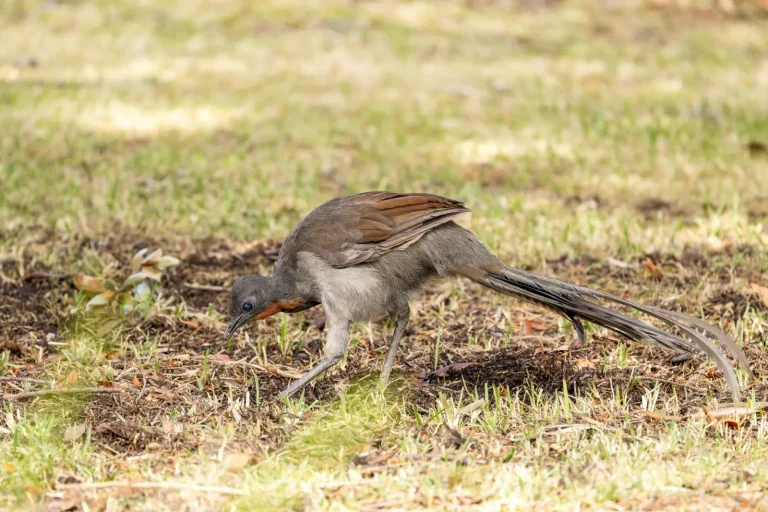
Lyrebirds are ground-dwelling birds, and this matters more than it initially sounds. They spend most of their time on the forest floor, turning over leaf litter and soil in search of insects, grubs, and small invertebrates. They are not canopy birds, not perching birds, and not birds that venture into open spaces. This means your entire search strategy depends on being in the right part of the forest at the right time, and even then, the bird’s behavior determines whether you see anything at all. The dense understory of rainforest – the tangle of ferns, fallen logs, and low vegetation – is both their habitat and their shield. They move through it constantly, but they move through it where you cannot easily follow.
Timing and Seasonal Behavior
The most critical factor in lyrebird encounters is timing, and this is where most visitor expectations collide with reality. Lyrebirds are most vocal and active during their breeding season, which runs roughly from March through September in most Australian rainforests. During this period, males establish territories and spend considerable time singing and displaying. This is when you have the best chance of hearing one, which often precedes seeing one.
Early morning is essential. Not morning in the casual sense – I mean arriving at suitable habitat while it is still dark and waiting for first light. Lyrebirds tend to be most active in the hour or two after dawn, particularly on still, overcast days. Windy conditions suppress their activity noticeably. Rain does not stop them, but heavy rain does reduce their movement. The worst time is midday, when they retreat deeper into the forest and fall silent. If you are planning a rainforest walk and hoping to encounter lyrebirds, an 6 a.m. start is realistic; a 9 a.m. start is already compromised.
Where to Actually Look
Not all rainforest is equal for lyrebirds. They favor certain terrain features consistently. They prefer areas with good leaf litter depth, which means older growth forest or areas recovering from past disturbance where the understory has had time to accumulate. They are drawn to gullies and slopes where water seepage keeps the soil moist and invertebrate populations are higher. Flat, open forest floor with sparse litter is less productive. Areas near fallen logs are often good – the logs themselves harbor insects, and the disturbed soil around them attracts foraging birds.
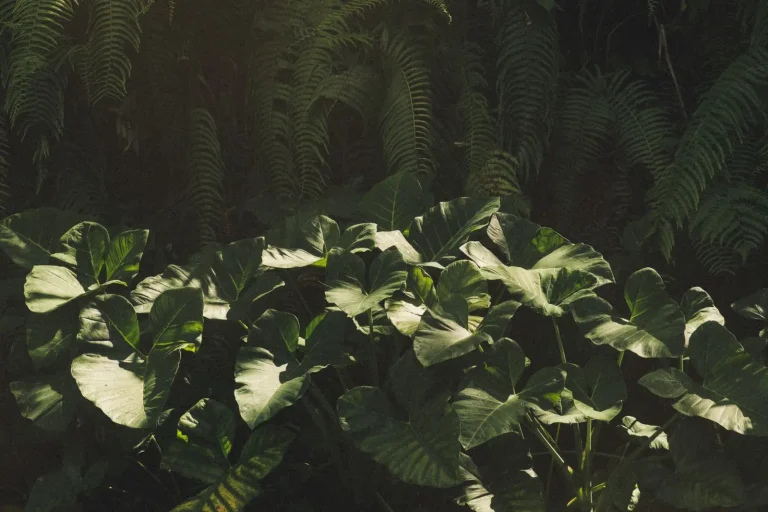
In practice, this means you are looking for what feels like the “messiest” part of the forest. Dense fern gullies, areas thick with fallen timber, places where the understory is so tangled that walking is genuinely difficult – these are the places where lyrebirds spend their time. The manicured walking tracks that most tourists use are usually poor lyrebird habitat. The bird’s presence correlates directly with habitat complexity, not accessibility.
The Reality of Observation
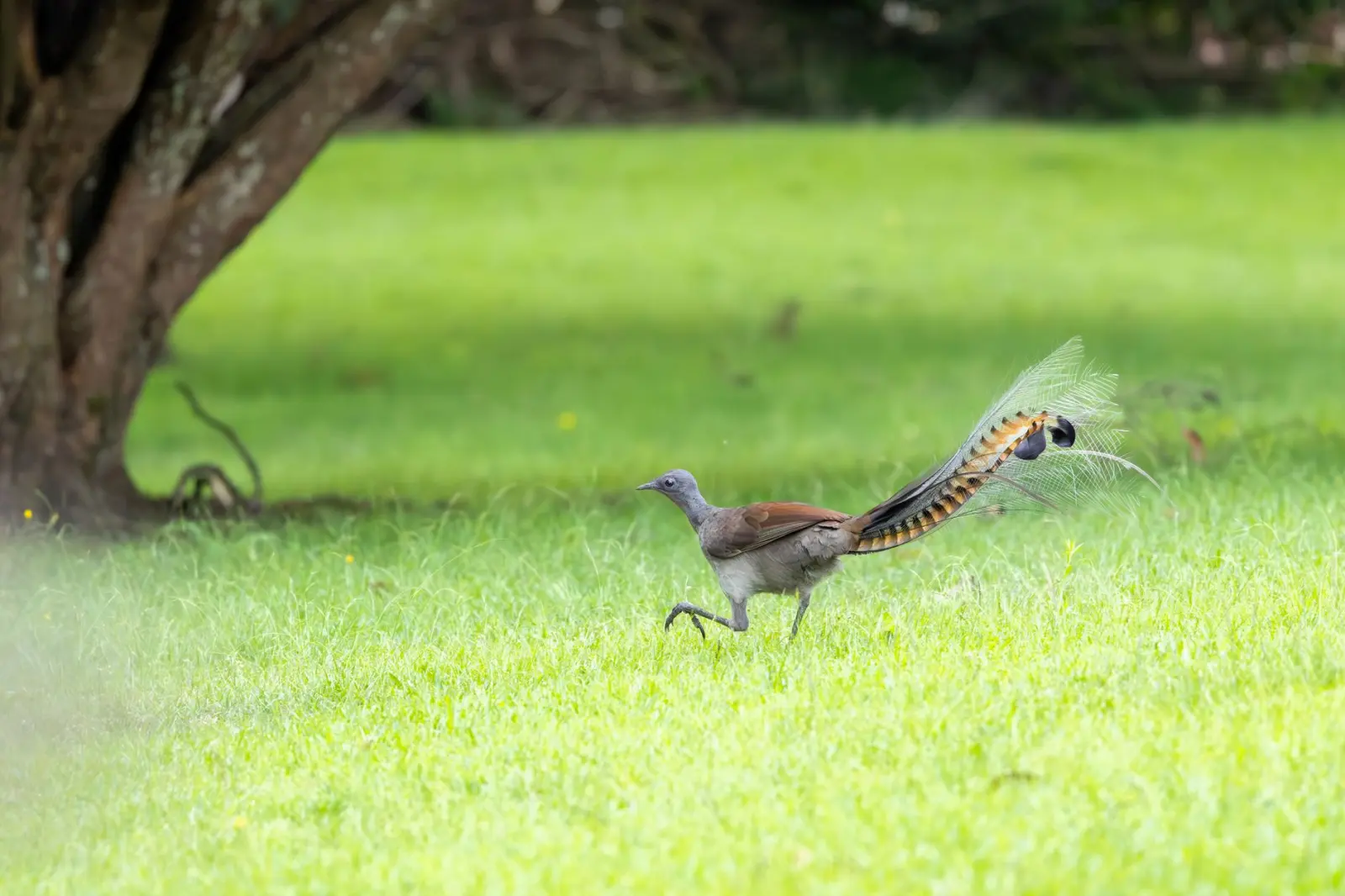
When you do encounter a lyrebird, the experience is often anticlimactic in duration. A bird will emerge from the undergrowth, typically moving with a distinctive bounding gait, foraging for a few seconds to perhaps a minute, then disappear back into cover. If you are fortunate, you might get a clear view of its distinctive tail feathers – the long, elaborate plumes that give the bird its name. More often, you see a dark shape moving through ferns, register that it is a lyrebird, and then it is gone. The tail, which is the bird’s most recognizable feature, is often held folded and is not always visible.
Sound is often more reliable than sight. A lyrebird’s song is extraordinary – complex, loud, and highly variable. They are famous for mimicking other bird calls and environmental sounds with remarkable accuracy. Hearing one sing is a legitimate wildlife experience, even if you never see the bird itself. Some of the best lyrebird encounters I have had involved sitting quietly near a singing bird, obscured by vegetation, listening to the performance without ever seeing the performer. This is not the same as seeing the bird, but it is not a failure either.
Common Mistakes and Misconceptions
Visitors often expect lyrebirds to be habituated to human presence. They are not. Lyrebirds are wary birds with excellent hearing. They will detect you before you detect them and will typically move away. The birds that allow close approach in some locations have been habituated through years of regular, careful feeding or interaction – and even these birds maintain a minimum distance. A wild lyrebird encountered on a standard rainforest walk is not going to linger while you take photographs.
Another common mistake is assuming that “lyrebird habitat” signs mean lyrebirds are regularly present in that specific area. These signs typically mark general habitat type, not current bird location. A lyrebird territory can cover several hectares, and the bird is not evenly distributed throughout it. You might walk the same trail multiple times without seeing the resident bird, then encounter it on a day when conditions align.
Noise discipline matters more than most people realize. Lyrebirds hear you coming long before you see them. Quiet, slow movement through the forest gives you better odds than typical hiking pace. This is not about stealth in the tactical sense – it is simply about moving at a pace that allows the bird to move away at its own pace rather than fleeing in panic. Some of my clearest lyrebird sightings have come from sitting still in good habitat and letting the bird come to me, rather than searching actively.
Practical Considerations for Travelers
If you are visiting Australian rainforests specifically to see lyrebirds, guided walks with experienced local guides significantly improve your odds. A guide who knows the territory, the resident birds, and their patterns can position you effectively. They also provide context – explaining what you are seeing, what sounds mean, and what behavior suggests. This transforms a random encounter into an actual learning experience.
The physical demands of rainforest walking should not be underestimated. You are moving through dense vegetation, often on uneven ground, sometimes in wet conditions. Proper footwear is essential. The forest is not hostile, but it is unforgiving to casual visitors in inadequate shoes. Bring water, allow more time than you think you need, and understand that you might walk for two hours and see nothing. This is normal.
Lyrebirds are remarkable birds, and they deserve to be encountered on their terms rather than on a schedule. The travelers who seem most satisfied are those who approach rainforest walks with modest expectations, arrive early, move slowly, and treat any lyrebird encounter – whether visual or auditory – as a genuine privilege rather than a guaranteed outcome. The forest is full of other birds, insects, and plants worth observing. A lyrebird sighting is a bonus, not a baseline.