Barron Gorge sits in a particular pocket of Far North Queensland where the rainforest doesn’t announce itself gradually. You move from open woodland into dense canopy within minutes, and the shift is physical – the air thickens, light dims, and the ground underfoot changes from dry leaf litter to something that holds moisture even weeks after rain. I’ve walked these trails across multiple seasons, and the gorge presents a landscape that rewards observation but punishes assumptions.
The rainforest here isn’t uniform. Most visitors notice only the main walking tracks near the falls, where the vegetation is managed and the path is relatively clear. Behind that managed zone, the forest becomes genuinely difficult to move through. Lawyer vine tangles overhead, fallen logs create natural barriers, and the canopy closes so completely that midday feels like late afternoon. This density changes how you navigate and how much time you need to budget for any movement beyond the primary trails.
What strikes me most about Barron Gorge is how quickly conditions shift between seasons. The gorge system channels water, and during the wet season – November through March – the volume and velocity of water flow transforms the entire landscape. Creeks that are barely ankle-deep in July become impassable torrents. The forest floor, already soft and spongy, becomes genuinely boggy in places. Walking becomes slower, more deliberate, and considerably more tiring.
Water, Drainage, and Ground Conditions
The gorge’s topography creates natural water channels that concentrate flow. Even when rain isn’t falling, the ground remains saturated because water drains downslope toward these channels. This means the forest floor near the main creeks stays wet year-round, but the degree of saturation varies dramatically. During the dry season, you can still feel moisture beneath the leaf litter, but your boots won’t sink. During the wet season, every step requires attention to avoid sinking into mud or stepping onto unstable ground that looks solid but isn’t.
I’ve noticed that the vegetation itself indicates drainage patterns. Where water moves consistently, you see particular species clustering – tree ferns thrive in these zones, and certain vines establish in areas where moisture is reliable. The drier pockets, usually on slight rises or where drainage is faster, support different plant communities. Understanding these patterns helps you anticipate ground conditions before you encounter them directly.
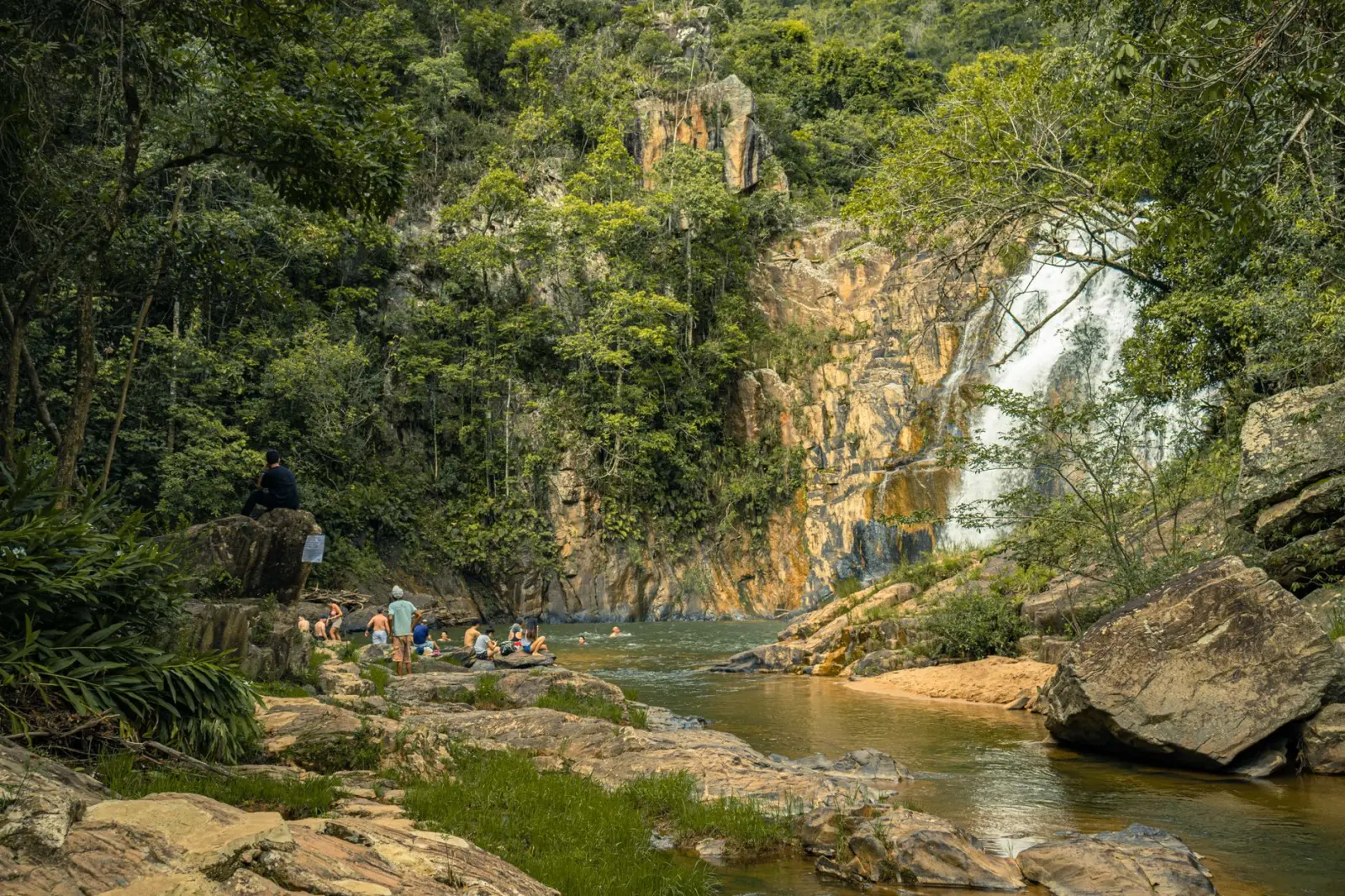
The creek systems themselves behave unpredictably during heavy rain. Barron Falls is the most visible feature, but it’s fed by a network of smaller creeks that converge. I’ve been on the gorge trails when heavy rain was falling upstream but not directly on us, and the water level rose noticeably within 20 minutes. If you’re planning to be near creek beds during the wet season, you need to monitor weather conditions actively, not just check a forecast once in the morning.
Vegetation Patterns and Movement
The rainforest canopy here is genuinely tall in places. Emergent trees push above the main canopy layer, creating pockets where light penetrates more fully. These are usually near the gorge edges or where trees have fallen and created gaps. The understory beneath the main canopy tends to be relatively open – the dense shade suppresses ground-level vegetation – but this changes near clearings, disturbed areas, or where water creates conditions that favor particular species.
Lawyer vine (a climbing palm with backward-facing spines) is present throughout the gorge, and it’s one of the few things that genuinely restricts movement. Unlike thorny vines that you can see and navigate around, lawyer vine catches clothing and skin without much warning. It’s not dangerous, but it’s relentlessly annoying, and it slows you down considerably if you’re moving through less-managed areas. The main tracks are kept relatively clear, but venture even slightly off-trail and you’ll encounter it.
What most people don’t anticipate is how tiring rainforest walking actually is, even on flat or gently sloping ground. The humidity, the uneven footing, and the constant need to watch for obstacles – roots, rocks, soft ground – creates fatigue that’s different from open-country hiking. Your legs might feel fine, but your overall energy depletes faster. I’ve seen fit walkers underestimate this and find themselves genuinely tired after what they expected to be a casual morning walk.
Seasonal Shifts and Practical Timing
The dry season, roughly May through October, offers the most straightforward conditions. The ground is firmer, water levels are lower, and the air is less oppressive. But even then, the rainforest isn’t “easy.” The trails can still be muddy, and the canopy still creates dim light that makes footing less certain than it appears. The advantage of the dry season is predictability – you’re unlikely to encounter unexpected water hazards, and the weather is generally stable enough that you can plan a walk without constant weather monitoring.
The shoulder months – April and November – are transitional. April tends to be drying out, with occasional rain but generally manageable conditions. November is the opposite: the wet season is beginning, humidity is rising, and rain becomes more frequent. I’ve found that walking in April is usually straightforward, while November requires more caution and flexibility. A walk that would take two hours in June might take two and a half in November, simply because you’re moving more carefully and the ground is softer.
The peak wet season is genuinely different. Barron Falls becomes a significant volume of water, the forest drips constantly even between rain events, and the ground is saturated throughout. This is when the gorge becomes genuinely risky for inexperienced walkers. Slips are more likely, creek crossings become hazardous, and visibility can be reduced by mist and rain. The beauty of the landscape is undeniable, but the practical constraints are real.
Light, Visibility, and Orientation
Rainforest light is unlike open-country light. The dense canopy filters sunlight into a dim, green-tinted illumination. On overcast days or during the wet season, the light becomes genuinely dim – midday can feel twilight-like. This affects how you perceive distance, how clearly you see the trail, and how easy it is to spot hazards. Headlamps or strong torches are genuinely useful even for daytime walking if you’re moving through the denser sections.
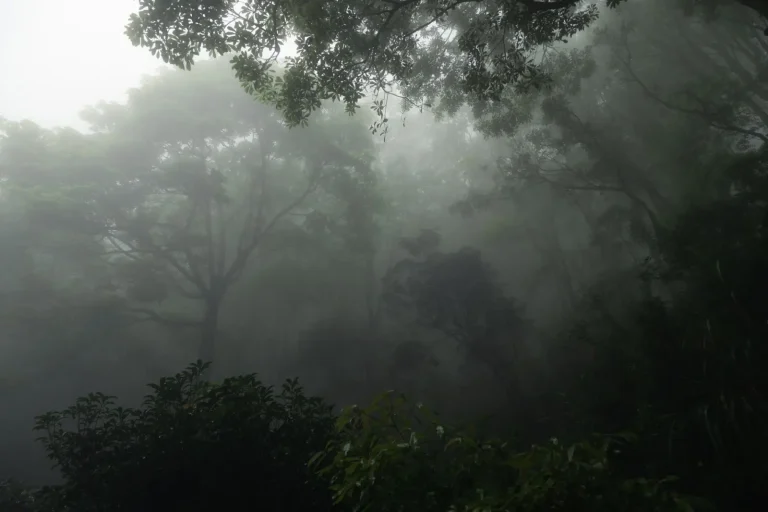
Mist and cloud can roll into the gorge quickly, particularly during the wet season or in the early morning. When this happens, visibility can drop to 20 or 30 meters, and the forest becomes genuinely disorienting. The main tracks are marked, but even marked trails become harder to follow when you can’t see more than a few meters ahead. This is when navigation becomes active rather than passive – you need to be conscious of where you are and where the trail leads, not just following visible markers.
The sound environment changes with conditions too. During the dry season, you hear bird calls, insects, and water movement clearly. During the wet season, rain and water flow dominate the soundscape, and you hear less of the forest’s animal life. This isn’t just aesthetic – it affects how you navigate by sound and how aware you are of your surroundings.
After years of moving through Barron Gorge across different seasons and conditions, the most consistent observation is that the landscape demands respect for its actual conditions rather than its reputation. It’s not dangerous in the way that exposed ridges or river crossings can be, but it is unforgiving of carelessness. The wet season transforms it significantly, ground conditions matter more than most walkers expect, and timing your visit for conditions that match your experience level makes a tangible difference in how the walk feels and how much you actually see.