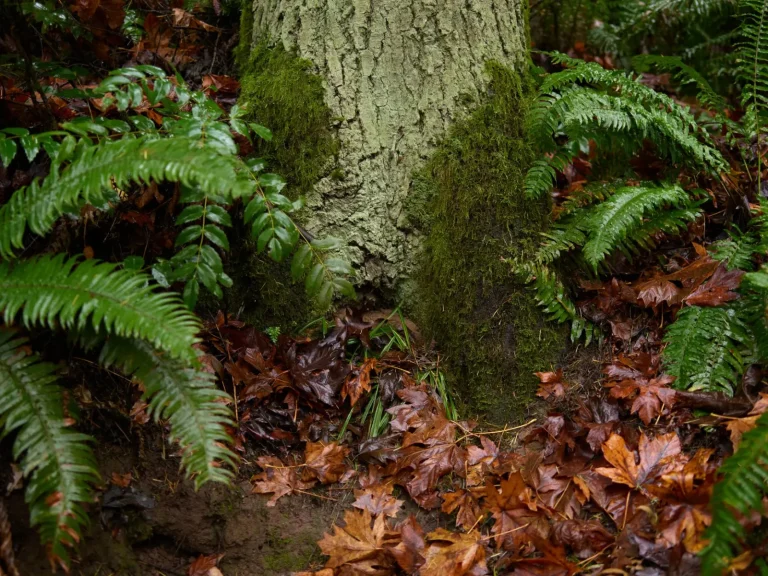

Eungella National Park sits on a plateau in central Queensland where the rainforest thickens enough to feel genuinely remote, even though you’re only a few hours inland from the coast. After spending considerable time moving through these forests – early mornings, late afternoons, and the occasional night walk – you develop a sense of which animals are reliably present and which ones exist more in the realm of possibility than regular encounter.
The wildlife here operates on rhythms that don’t always align with visitor expectations. Most people arrive with a mental checklist: platypuses, tree kangaroos, lyrebirds, maybe a cassowary if they’re lucky. Some of these animals are genuinely present. Others are present but rarely seen. The difference matters, and it shapes how you move through the park and what you actually experience rather than what you hoped to see.
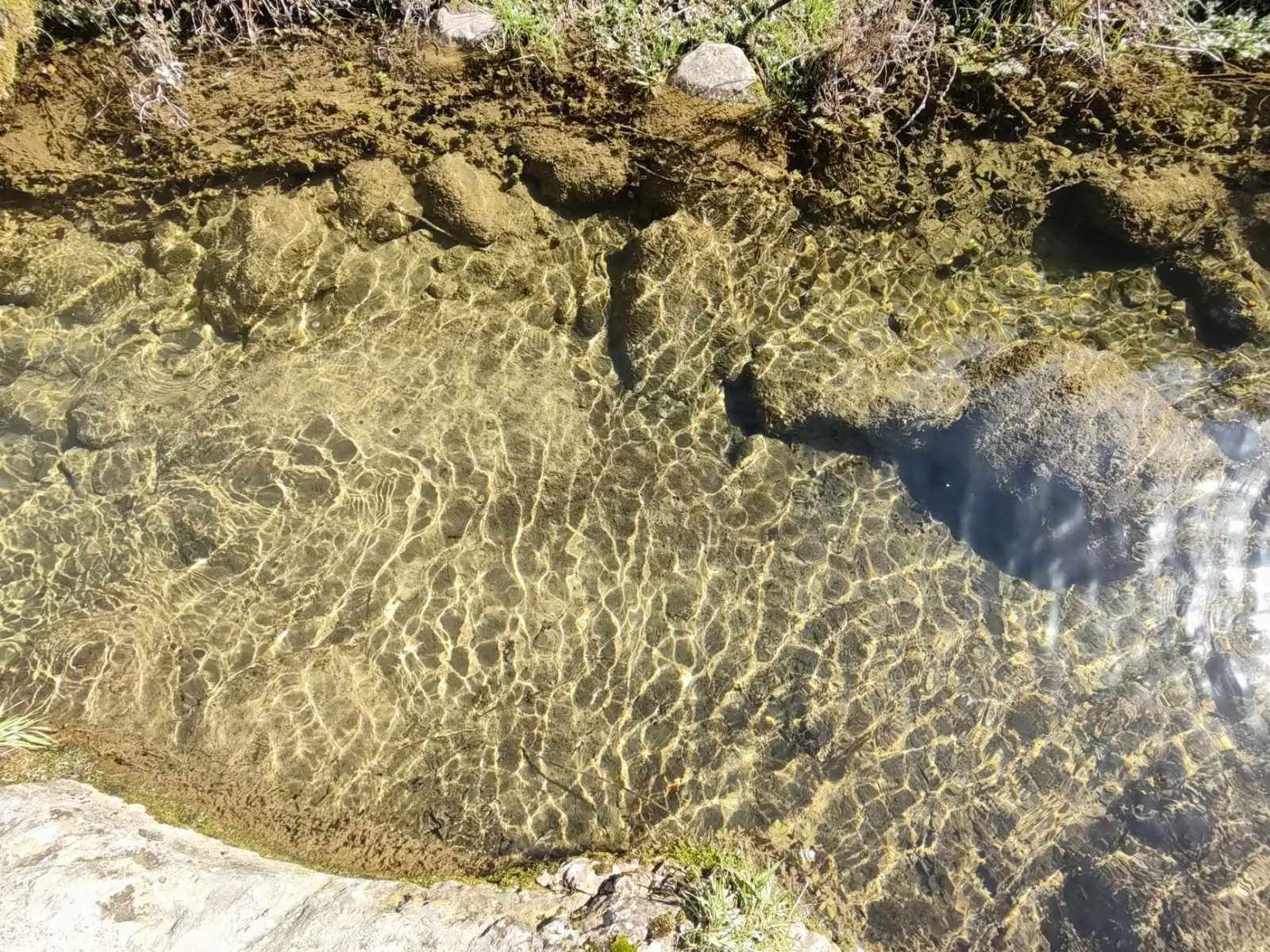
The platypus is the animal everyone wants to find. Eungella’s creeks support a stable population, which is fortunate because platypuses are not common across their range. The Broken River and its tributaries hold them, and early morning is when they’re most active – typically between dawn and mid-morning. You need to be patient, positioned quietly on the bank, watching the water surface for the characteristic V-shaped wake. The key detail most visitors miss is that platypuses are most visible during cooler months. Summer heat drives them deeper into burrows, and you’ll spend hours seeing nothing but water. Winter and early spring offer better odds, though “better odds” still means you might not see one on a given visit.
The Mammals You’ll Actually Encounter
The rainforest floor and mid-canopy hold several mammal species that appear with relative consistency. Brush-tailed possums are genuinely common at night, though they’re nocturnal and most casual visitors never encounter them. If you’re walking after dark, you’ll hear them moving through the canopy – a rustling, sometimes a crash as they leap between branches. Their eyes reflect torch light with a distinctive amber glow. They’re not rare or special, but they’re present nearly every night.
Bandicoots and burrowing bettongs move through the leaf litter, and you’ll see evidence of their foraging – small excavated patches where they’ve dug for invertebrates. Seeing the animals themselves is less common than seeing their work. They’re active at dawn and dusk, and they move quickly, which compounds the difficulty.
Tree kangaroos are the animal that draws a specific type of visitor to Eungella. The park holds a population of Lumholtz’s tree kangaroos, which are genuinely remarkable – large marsupials adapted to vertical movement in the canopy. The reality is that they’re solitary, cryptic, and spend much of their time high in the tallest trees where they’re difficult to spot. Early morning walks with a guide who knows the specific feeding trees can yield sightings, but it requires luck and patience. Many visitors spend days in the park without seeing one, which is the normal outcome rather than an exception.
Birds: Abundance and Subtlety
The bird life in Eungella’s rainforest is genuinely diverse, though “diverse” doesn’t mean “easy to see.” The canopy is dense enough that many species remain audible but invisible. You’ll hear far more than you’ll observe.
The Albert’s lyrebird is present in the park, and it’s a bird worth understanding because it generates disproportionate interest relative to how often visitors actually encounter it. Lyrebirds are solitary, territorial, and they move through dense undergrowth. They’re most active during breeding season, roughly September through February, when males are more vocal and visible. Outside that window, finding one is genuinely difficult. Their mimicry is remarkable – they’ll reproduce the calls of dozens of other species, which can be confusing if you’re trying to identify birds by sound alone.
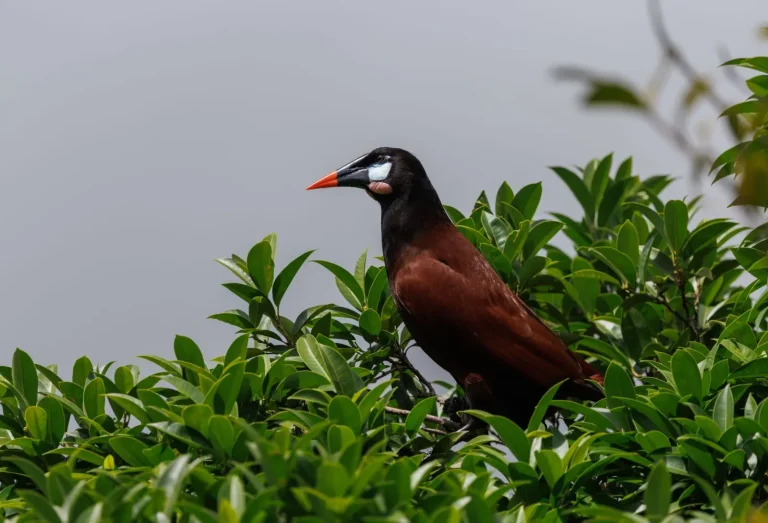
Rainforest pigeons – including the wompoo fruit-dove and the rose-crowned fruit-dove – are present and sometimes visible in fruiting trees. Their presence depends entirely on what’s in fruit at any given time. A tree heavy with native figs might attract dozens of pigeons; a week later, the same tree is empty. This unpredictability is genuine, not a failure of planning.
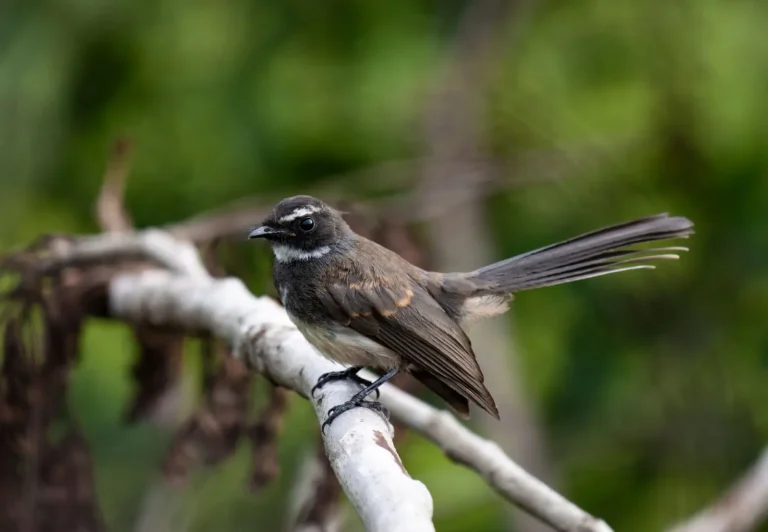
Kookaburras, bellbirds, and various honeyeaters are reliably present and audible. Their calls define the soundscape of the rainforest, particularly at dawn. You’ll encounter them regularly if you’re moving through the forest in the early morning, which is when most of the park’s bird activity concentrates.
Reptiles and Amphibians
The creeks and wet forest floor support a range of amphibians, particularly frogs. During the wet season, the chorus at dusk is substantial – multiple species calling simultaneously creates a wall of sound. Individual frogs are harder to locate than the collective noise suggests. They’re small, cryptic, and they stop calling the moment you approach.
Snakes are present in the rainforest, as they are in most Australian bushland. The most commonly encountered species are the carpet python and the green tree python, both non-venomous. Encounters are rare enough that most visitors don’t see them, though evidence of their presence – shed skin, sightings reported by guides – confirms they’re there. The venomous species present (including the common brown snake) are genuinely dangerous, but they’re also genuinely rare in encounters. Most snakes move away from vibration and noise, which is why walking normally through the forest rather than creeping quietly actually reduces your risk.
Lizards are more visible than snakes. Blue-tongue lizards move slowly through the undergrowth and are occasionally spotted. Smaller skinks are common but require close attention to notice. The rainforest’s dense vegetation means most reptile activity happens at ground level or in the lower canopy, where visibility is limited.
Timing and Realistic Expectations
The animals of Eungella’s rainforest operate on seasonal patterns that are worth understanding before you visit. The wet season, roughly November through March, brings higher water levels in the creeks, more insect activity, and more frog calls. It also brings higher humidity, more leeches, and more challenging walking conditions. Platypuses are more active in cooler months. Birds are most vocal during breeding season. Fruit availability drives many animal movements, and that’s unpredictable from year to year.
The park’s infrastructure – walking trails, viewing platforms, the visitor center – is well-maintained, but it’s designed around the assumption that visitors will move through the forest on established paths. The animals, naturally, don’t respect these boundaries. Some are regularly seen near the main trails. Others are present but rarely encountered because their habitat or behavior keeps them away from human traffic.
The genuine value of Eungella isn’t in checking off a list of animals seen. It’s in understanding how a rainforest ecosystem actually functions – the layers of vegetation, the dependence on water, the seasonal rhythms, and the reality that most wildlife remains unseen even when it’s present. Spending time here, moving quietly through the forest, listening to the soundscape, and accepting that you might not see the animals you came to find is actually the authentic experience. The animals that do appear – whether it’s a platypus in the creek, a tree kangaroo high in the canopy, or a lyrebird moving through the undergrowth – become genuinely remarkable precisely because they’re not guaranteed.