
Finch Hatton Gorge sits in the Mackay region of Queensland, nestled within the Eungella National Park system. The forest here is subtropical rainforest, dense and layered in ways that become obvious once you’re actually walking through it. I’ve spent considerable time moving through these trails, and the experience rarely matches the polished photographs or the casual mention in travel guides. The reality is more textured, more demanding, and in many ways more rewarding than the promotional version suggests.
The gorge itself is a water-carved feature, which means the trails follow creek beds and ridge lines. This isn’t random – it’s the only practical way through. The rainforest canopy is so thick that navigation off-trail becomes genuinely difficult, and the undergrowth isn’t something you push through casually. Most people approach Finch Hatton as a half-day outing, which works logistically, but it shapes what you actually experience. The walk to the main swimming hole takes roughly 45 minutes to an hour from the car park, depending on fitness and how often you stop. The return journey is similar, sometimes longer if people are fatigued.
The Physical Reality of the Terrain
The track bed itself is uneven. It’s not a manicured walking path with uniform steps. Instead, you’re moving over exposed tree roots, loose rocks, and sections where water has worn grooves into the earth. After rain, these grooves become small channels, and the whole track becomes slippery. I’ve watched experienced walkers lose their footing on what looked like straightforward sections. The steeper pitches have rope assists installed, which people tend to rely on more than they expect to. The rope doesn’t make the climb easy; it makes it possible.
The air is humid and still within the forest. There’s minimal breeze under the canopy, even on days when the open air feels pleasant. This affects how you feel physically. People often underestimate how much energy the combination of humidity, uneven footing, and constant minor adjustments demands. A walk that might feel moderate on a flat, open trail feels noticeably more taxing here. Hydration becomes genuinely important, not just recommended. I’ve seen people reach the gorge pool with nothing left in their water bottles and still have a 45-minute walk back.
Water Conditions and Seasonal Variation
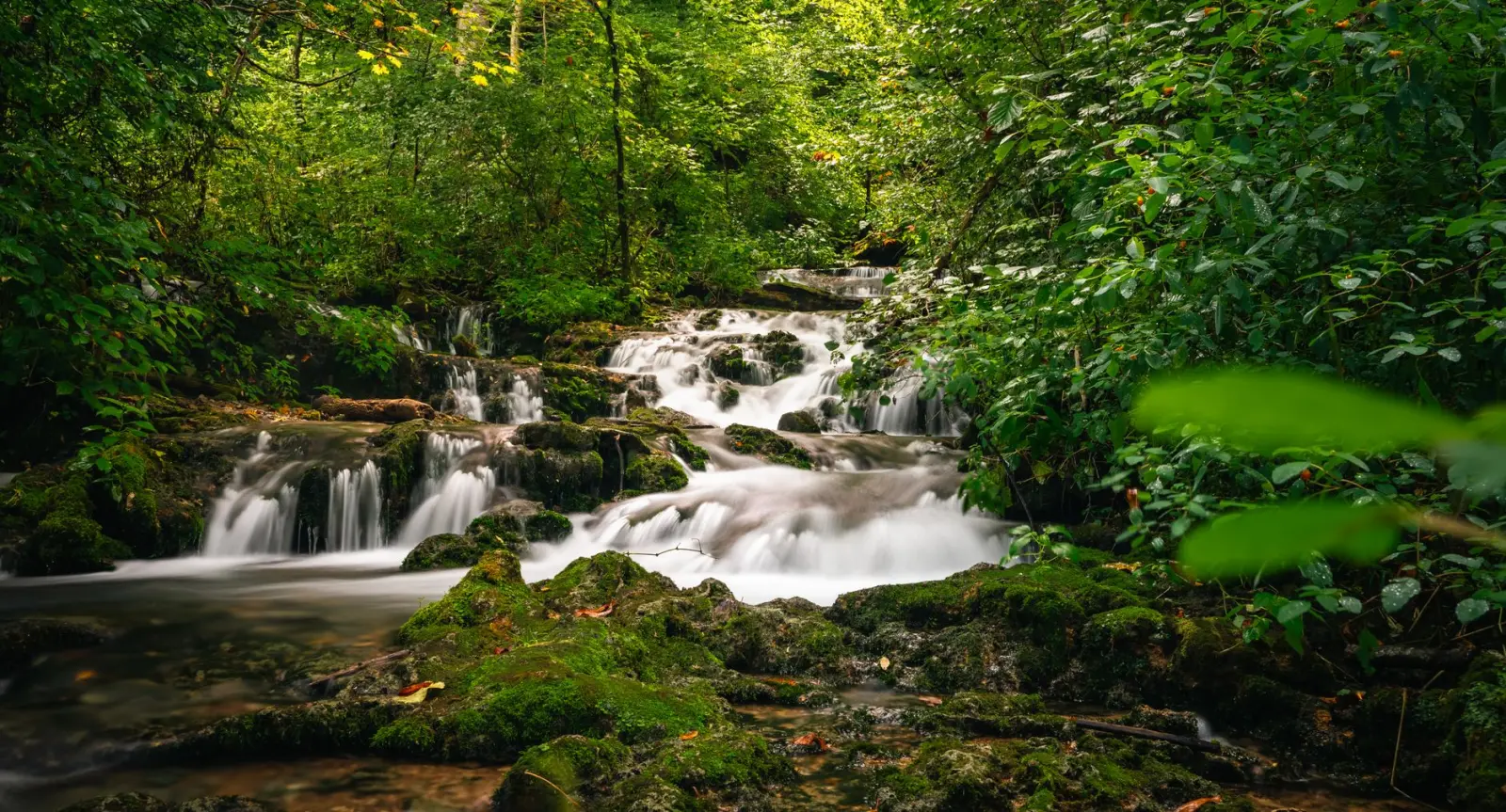
The creek flow changes dramatically with rainfall. During dry periods, the main pool is clear and inviting, but the water volume is lower. After heavy rain, the creek becomes a serious force. The pools fill quickly, the current strengthens, and what looked like a gentle swimming spot becomes somewhere you need to respect. I’ve been there after significant rain when the entire gorge was essentially a flowing channel, and swimming was simply not an option. The water temperature is cool year-round, which catches people off guard if they’re expecting tropical warmth.
The seasonal window matters more than people realize. Wet season runs roughly November through March, and during this period, the gorge can be inaccessible or risky. The track becomes genuinely slippery, and flash flooding is a real concern in a gorge environment. Dry season, May through September, is the practical window. Even then, a single heavy shower changes conditions noticeably. I’ve arrived on days when the forecast showed no rain but the track was clearly wet from overnight activity, which meant slower progress and more caution.
What the Forest Actually Looks Like
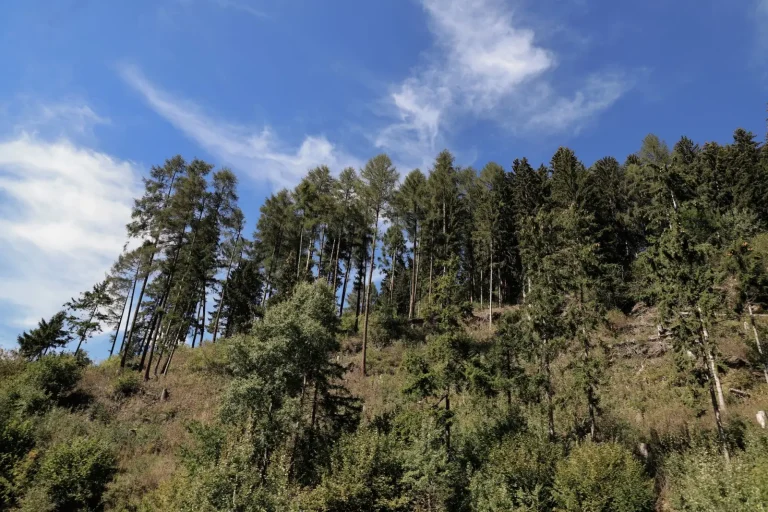
The rainforest canopy creates a specific kind of dimness. It’s not dark, but it’s not bright either. The light is filtered and diffuse, which affects how you perceive distance and color. Photographs taken here often look washed out or overly green because the camera struggles with the light quality. In person, the detail is remarkable. The variety of plant life is genuinely dense – ferns at multiple levels, vines, epiphytes growing on tree trunks, and a floor layer of decomposing material that’s actively breaking down. The smell is earthy and rich, sometimes almost overwhelming on humid days.
Wildlife is present but not obvious. You hear more than you see. Birdcalls are constant, though identifying specific species requires patience and knowledge. Insects are abundant, particularly during warmer months. Leeches are a consideration during wet periods – they’re not dangerous but they’re persistent and require attention. Snakes are present in the forest, though encounters are rare. I’ve been through the gorge dozens of times and seen a snake once. The more common experience is awareness of their possibility rather than actual confrontation.
Practical Movement Through the Space
The pace you can maintain depends on several factors working together. Fitness matters, but so does familiarity with uneven terrain and comfort with exposure. Some sections have drops to one side, and while they’re not extreme, they require focus. The rope sections are steep enough that you can’t move quickly even if you wanted to. Most people spend 2 to 2.5 hours on the full round trip, including time at the gorge pool. Faster times are possible but usually involve either skipping the pool or being very fit and very familiar with the track.
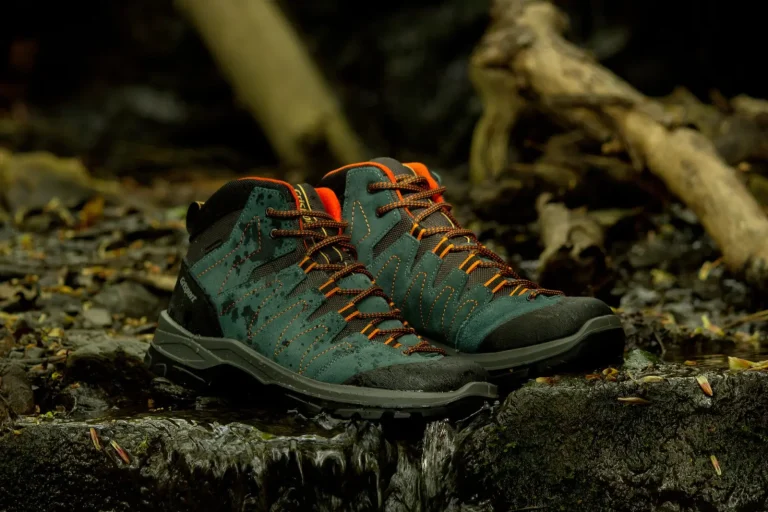
Footwear makes a noticeable difference. Proper hiking boots with good ankle support and grip reduce fatigue and risk significantly. I’ve watched people in casual sneakers struggle with sections that felt manageable in proper boots. The investment in decent footwear pays for itself in comfort and safety on a walk like this. Poles can help on the descent, particularly if you have knee issues, though the track is narrow enough in places that they become more hindrance than help.
The gorge pool itself is the destination for most people. It’s genuinely beautiful, and the water is refreshing. However, the swimming window is finite if you’re planning to walk back before afternoon heat or before light becomes an issue. I’ve seen people arrive at the pool with barely enough time to cool off before needing to turn around. The walk back is harder than the walk in, regardless of fitness level. Gravity and fatigue combine in ways that make the return journey feel longer.
The experience of Finch Hatton Gorge is ultimately about moving through a specific ecosystem under real physical constraints. It’s not difficult in technical terms, but it’s not casual either. The reward isn’t a dramatic summit or a rare view – it’s the immersion in a functioning rainforest and the physical satisfaction of moving through it competently. People who approach it with realistic expectations about timing, fitness, and conditions tend to have the experience they’re hoping for. Those who underestimate the physical demands or overestimate their water supplies tend to have a different story to tell.