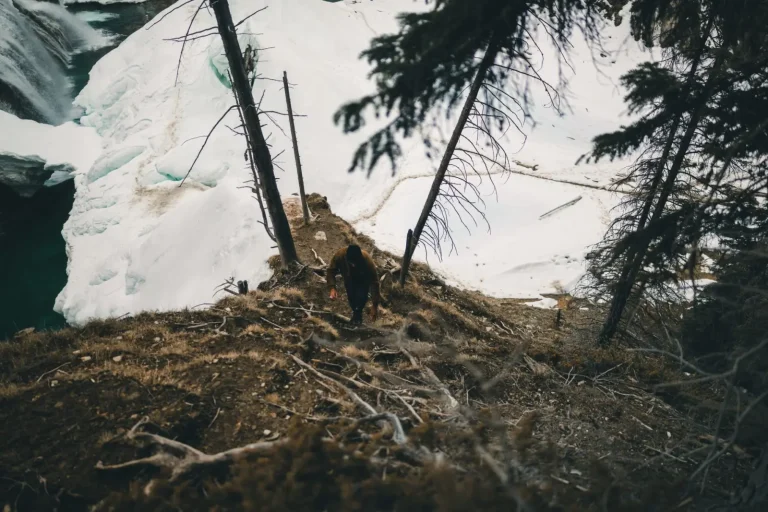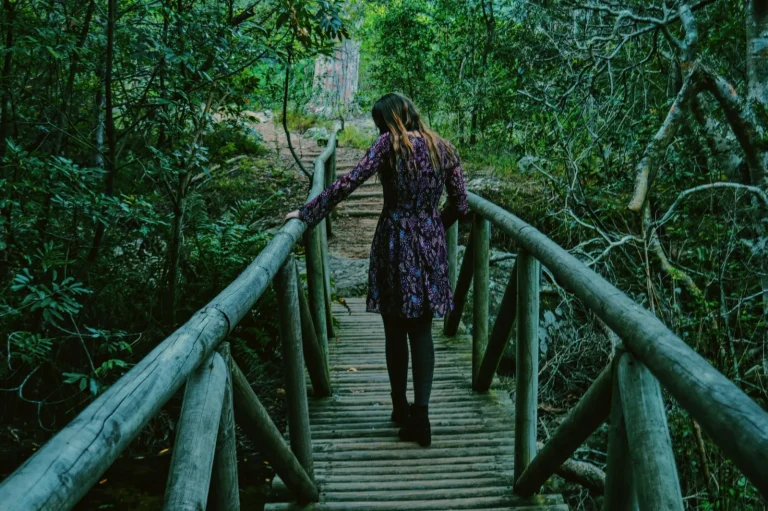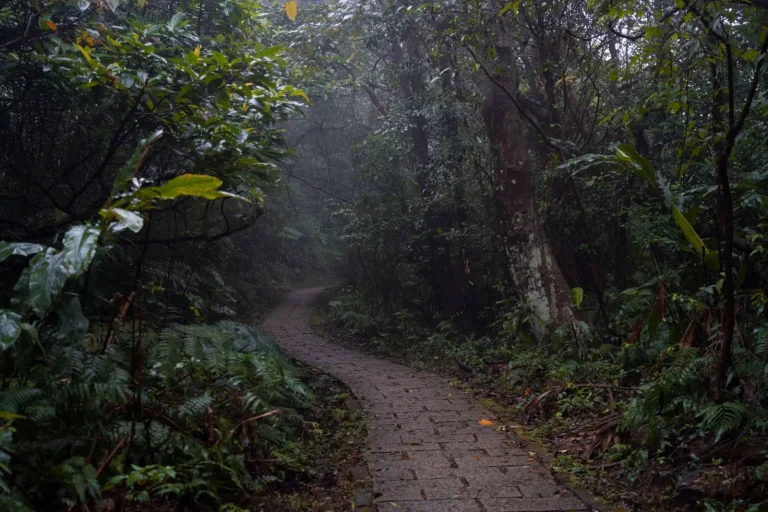

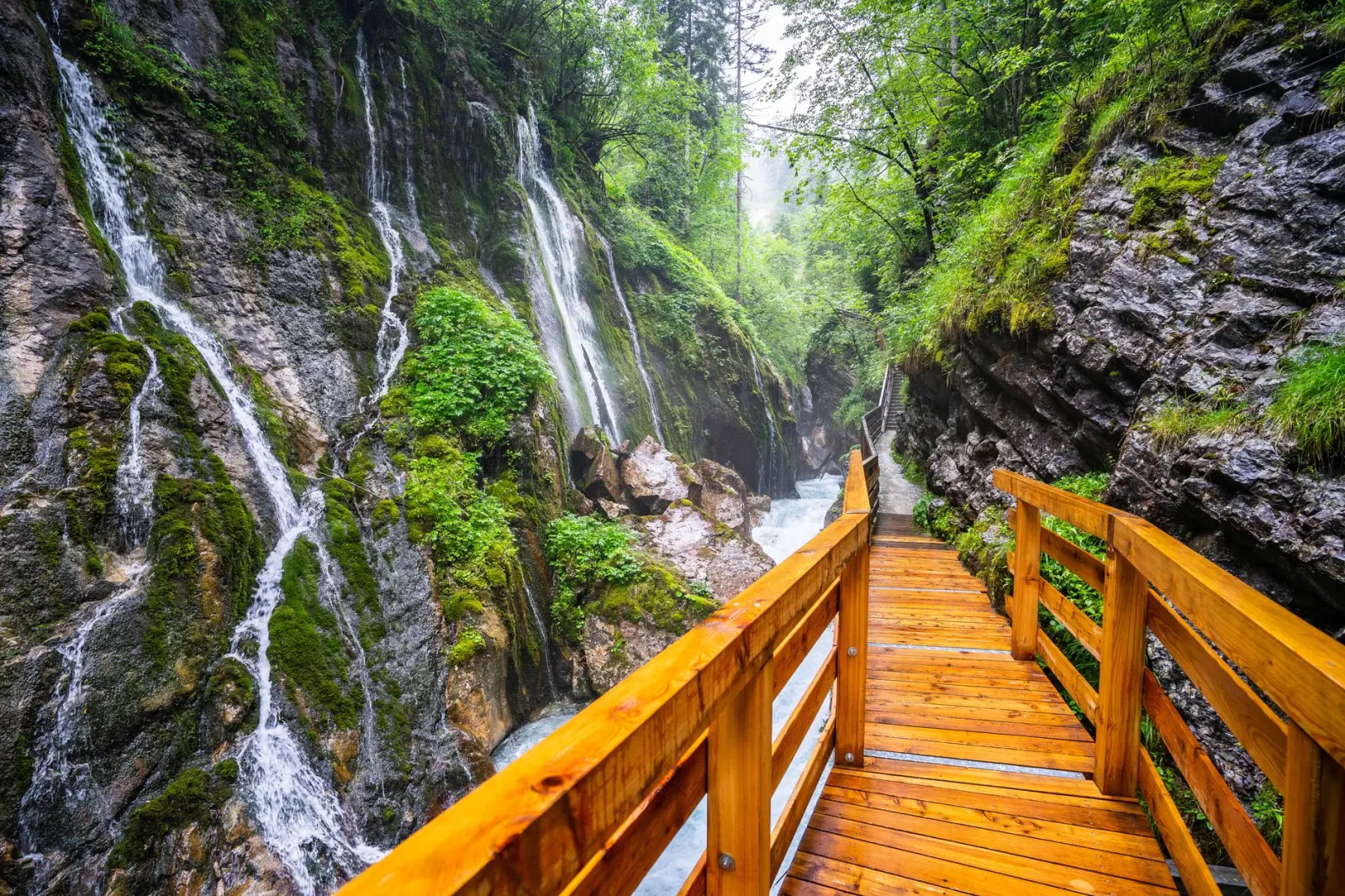
Crystal Shower Falls sits in a landscape that looks deceptively simple from a distance. The waterfall itself draws attention, but the forest surrounding it operates on its own logic – one that becomes apparent only after you’ve spent time moving through it. Most visitors focus entirely on reaching the falls and capturing the obvious views, which means they miss what the terrain is actually telling you about timing, water flow, and how to move efficiently through the area.
The forest composition around the falls changes noticeably depending on elevation and proximity to water. Lower sections tend toward denser vegetation with more understory growth, which slows movement considerably. Higher elevations open up somewhat, though the canopy remains thick enough that light levels stay low throughout most of the day. This matters more than it sounds – your eyes take longer to adjust when you’re moving between shadow and the occasional bright clearing, and that affects how quickly you can spot hazards underfoot. The ground itself is rarely stable. Moss-covered rocks, root systems that shift seasonally, and areas of soft earth that hold moisture year-round create a surface that demands constant attention.
Water and Seasonal Patterns
The streams feeding Crystal Shower Falls respond quickly to rainfall, and the forest floor responds even more quickly. After heavy rain, what appears to be dry ground in one visit becomes boggy or actively wet in the next. This isn’t a minor inconvenience – it changes which routes are passable and how long movement takes. I’ve watched the same trail take thirty minutes in dry conditions and nearly two hours when water saturation slows your footing and forces you to pick careful lines around the worst sections.
The waterfall volume fluctuates considerably, which affects both the appeal of the destination and the practical realities of the surrounding area. Higher water flow creates more spray, which increases humidity in the immediate vicinity and makes rocks slicker. The sound also becomes louder, which some people find meditative and others find disorienting when trying to navigate by ear. Lower water periods expose more rock face and sometimes reveal secondary falls or features that aren’t visible during wetter months. Neither condition is inherently better – they’re just different, and they require different approaches to movement and timing.
Navigation and Trail Definition
The trails around Crystal Shower Falls vary significantly in how well-defined they are. Some sections show clear wear patterns from repeated foot traffic. Other areas rely on subtle markers – blazes on trees, cairns, or simply the path of least resistance through dense vegetation. This inconsistency catches people off guard. Visitors accustomed to maintained hiking trails with clear switchbacks and regular signage often find themselves uncertain about whether they’re on an actual trail or simply following a deer path or water runoff channel.
The forest itself provides navigation clues if you know what to observe. Water always flows downhill toward the main creek system, which serves as a reliable reference point. Vegetation density tends to be slightly lower along established routes because more foot traffic keeps understory growth suppressed. Animal trails sometimes parallel human trails, though they typically diverge when they encounter obstacles that animals navigate differently than people do. None of this is foolproof, but it’s useful when you’re uncertain about direction.
Most people underestimate how disorienting the forest can feel when the canopy is heavy. Without clear sky references and with the landscape looking similar in multiple directions, it’s easy to lose your sense of orientation. This is especially true in late afternoon when light angles change and shadows create visual confusion. I’ve seen experienced hikers second-guess their direction simply because the landscape didn’t match their mental map, even though they were actually on the correct route.
Physical Demands and Pacing
The terrain around the falls is steeper than it initially appears. The elevation gain isn’t extreme, but it’s concentrated and relentless in places. The combination of steep grade, unstable footing, and the need to watch constantly for obstacles means you can’t maintain a steady pace the way you might on a more conventional trail. Your legs work harder because you’re constantly adjusting your balance and pushing against uneven surfaces. Your attention stays elevated because a misstep has real consequences – twisted ankles happen regularly in this kind of terrain.
Fatigue accumulates faster than the distance suggests it should. A route that covers only a few miles can leave you genuinely tired because of the constant micro-adjustments required. This matters for planning. If you’re arriving in the afternoon, you need to be realistic about how much time you have before light becomes a serious constraint. The forest gets noticeably darker well before sunset, and navigating by headlamp in this kind of terrain is slow and frustrating.
Practical Realities
Insect activity varies seasonally but is generally present. Mosquitoes thrive in the wetter sections, particularly near standing water or areas where the forest holds moisture. Ticks are common in the understory vegetation, especially during warmer months. Neither is a reason to avoid the area, but they’re a reason to dress appropriately and check yourself thoroughly afterward. Long sleeves and pants, despite the temperature, often make sense.
The forest floor is not a clean environment. Decomposing material, fungi, and various organisms create a rich ecosystem that smells distinct and can feel slightly unsettling if you’re not accustomed to it. Wet conditions intensify this. It’s not dangerous, but it’s worth acknowledging as part of the actual experience rather than pretending the forest is a sterile hiking destination.
Cell service is unreliable throughout most of the forest. Depending on your carrier and exact location, you might have signal at certain points and lose it completely fifty meters away. This isn’t a dramatic safety issue for a day trip, but it does mean you can’t rely on GPS navigation or emergency communication in all areas. Knowing your route beforehand matters more than you might think.
The forest around Crystal Shower Falls rewards observation more than speed. The waterfall itself is the obvious destination, but the journey through the surrounding landscape reveals itself gradually – through the way water moves through the terrain, how vegetation responds to moisture and light, and what the ground is actually telling you about recent conditions. Moving slowly, paying attention to what’s underfoot, and adjusting your expectations based on what you encounter makes the experience substantially better than rushing toward a predetermined destination.