
Main Range National Park sits on the Queensland-New South Wales border with a reputation that often precedes it. The forests here are dense, the elevation changes are genuine, and the trails themselves have a way of sorting out who came prepared from who didn’t. I’ve spent enough time moving through these ranges to recognize the patterns – what works, what creates problems, and what most visitors simply don’t anticipate until they’re already committed to a walk.
The park’s appeal is straightforward: subtropical rainforest at elevation, with sections of eucalypt woodland and some genuinely remote country. But the appeal and the reality diverge quickly once you’re on the ground. The trails are well-marked by Queensland standards, yet marking alone doesn’t account for what the forest itself demands from you physically and mentally.
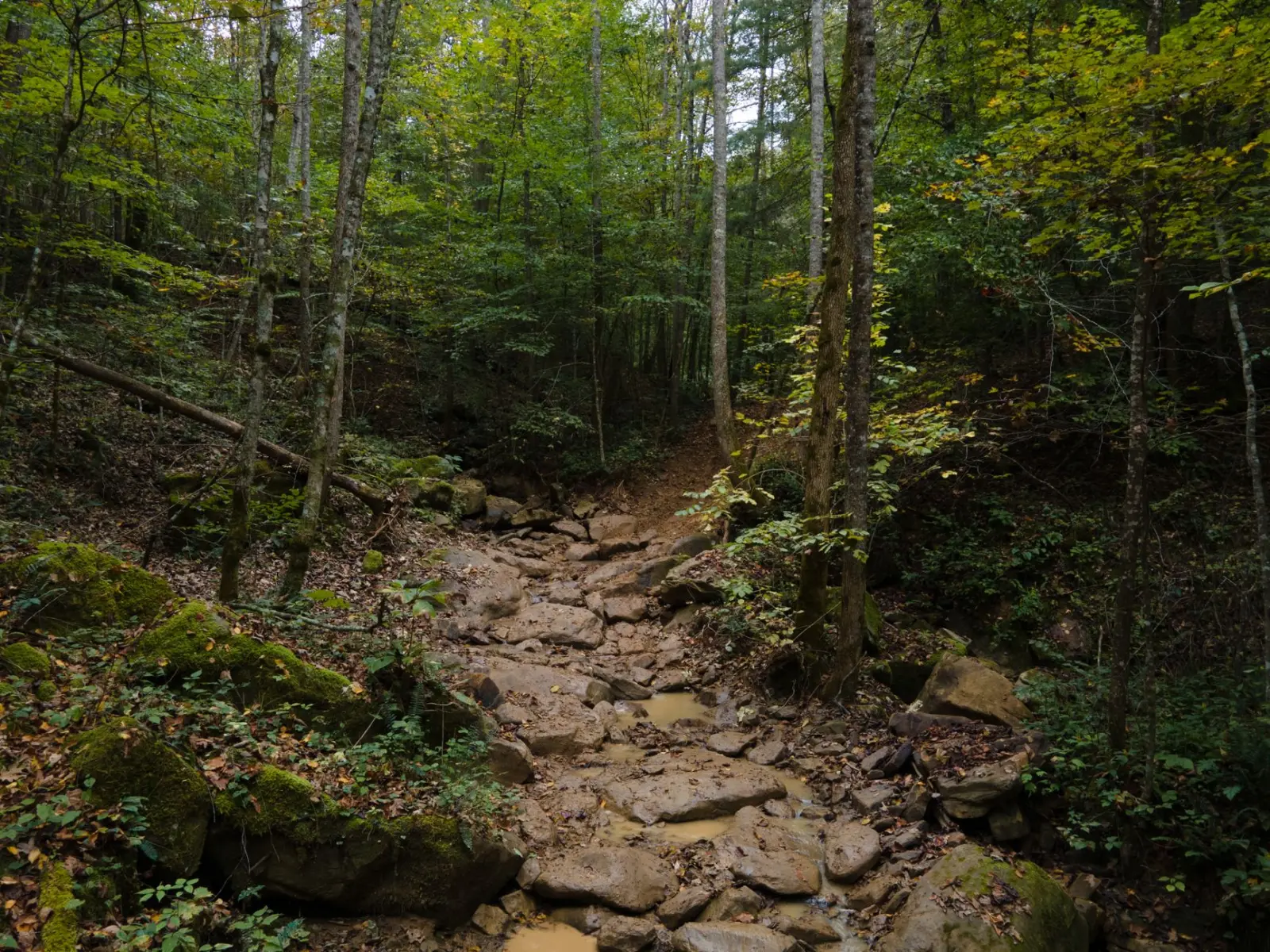
The first thing that strikes most people is the gradient. Main Range doesn’t offer gentle inclines. The terrain moves vertically, often steeply, and the forest floor beneath your feet is rarely stable in the way a maintained path might be. Tree roots, loose rock, and sections where the trail has eroded into a shallow watercourse are normal. Your pace slows significantly compared to what you might cover on open terrain. A trail that looks like five kilometers on a map often feels considerably longer when you’re ascending through dense vegetation with irregular footing.
Water and Seasonal Behavior
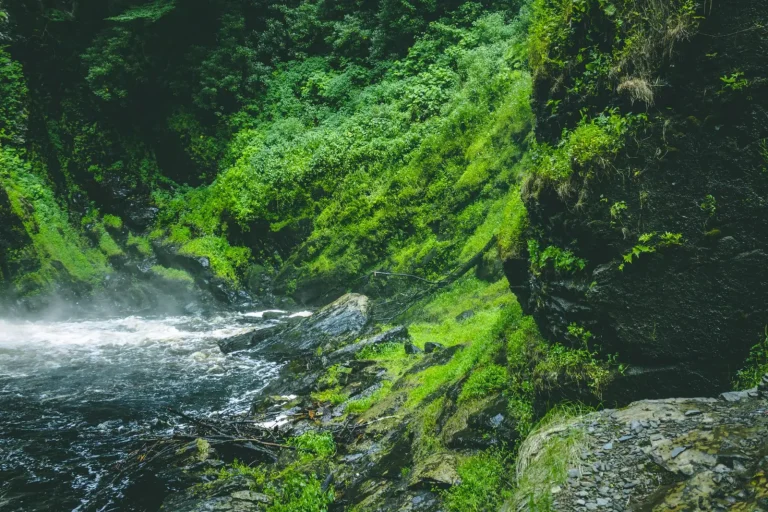
Water access is a critical variable that changes the character of any walk here. During wet season or after heavy rain, creeks run high and fast. Crossings that are straightforward in drier months become genuine obstacles. I’ve seen walkers turn back at creek crossings that were simply impassable without risk, and that’s the right call. The forest drains quickly after rain, but the timing is unpredictable – a creek can be manageable in the morning and problematic by afternoon if upstream weather has moved through.
In drier periods, water sources become scarce. Some creeks run only seasonally, and relying on them is a mistake. The park’s higher elevation areas often have less reliable water than lower sections. Most experienced walkers carry enough water for the entire walk rather than depending on finding it along the route. The forest canopy is dense enough that you won’t see weather approaching, which means conditions can change without obvious warning. A walk that started in clear conditions can become genuinely uncomfortable if rain moves in.
The Vegetation and What It Means
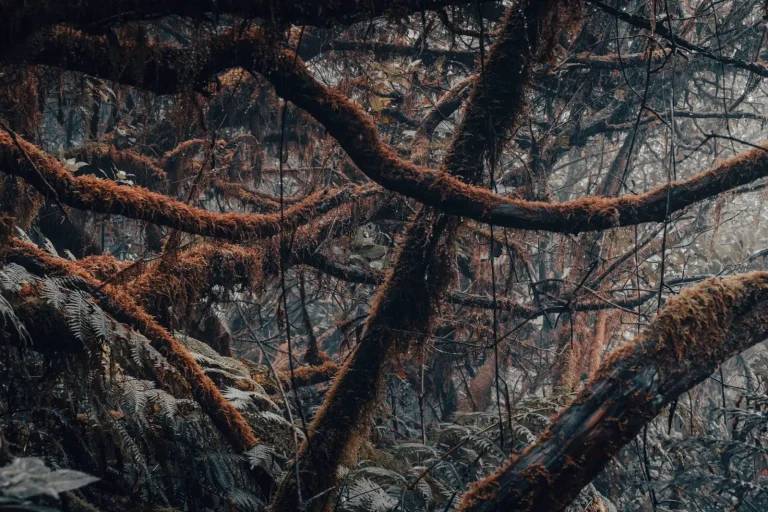
The rainforest sections are thick. Visibility is limited, and the air feels heavy with moisture even on dry days. The density of vegetation means that navigation relies entirely on the marked trail. Leaving the trail – even briefly – can make finding your way back considerably harder than you’d expect. The forest floor is uneven, and without the trail markers, you lose reference points quickly. This isn’t dramatic or dangerous in most cases, but it’s a real constraint on movement and exploration.
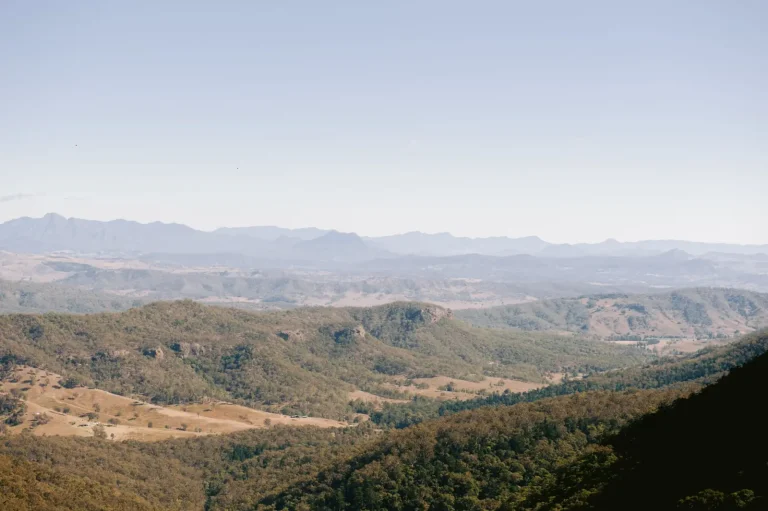
The eucalypt woodland sections at lower elevations offer more open country and better visibility, but the terrain is often rockier. Exposed granite and loose stone create different hazards. Your footing needs to be deliberate. The temperature variation between shaded forest and open woodland is noticeable, and the exposed sections offer no shelter if weather deteriorates.
Fauna presence is worth noting without overstating it. Snakes are present, particularly in warmer months, but encounters are uncommon if you’re making normal walking noise. Leeches are more of a practical annoyance than a danger during wet periods. They’re persistent and unpleasant, but manageable with salt or insect repellent. The real fauna consideration is simply awareness – the forest is active, and you’re moving through it as a visitor.
Timing and Fatigue Patterns
Most trails in Main Range take longer than their distance suggests. A ten-kilometer walk might consume six to eight hours depending on elevation gain, trail condition, and your own fitness. Starting early matters significantly. I’ve watched walkers begin walks in early afternoon and find themselves navigating the forest in fading light, which transforms the experience entirely. The forest gets darker much faster than open terrain, and navigation becomes genuinely difficult once you lose good daylight.
Fatigue accumulates differently in this environment. The constant elevation changes and uneven footing demand more from your legs and core than a similar distance on flat ground. Mental fatigue is also real – the density of the forest, the repetitive nature of ascending through vegetation, and the lack of distant views all contribute to a particular kind of tiredness that’s distinct from simple physical exertion.
The most experienced walkers I’ve encountered here tend to be conservative with timing. They build in buffer time, they don’t push late into the afternoon, and they’re willing to turn back or adjust their route if conditions suggest it. This isn’t caution born from fear; it’s recognition of how the forest actually behaves and what happens when variables stack against you.
Main Range rewards preparation and realistic expectations. The forests are genuinely worth the effort, but they demand respect for what they are rather than what they look like on a map. The trails themselves are sustainable and well-maintained, but they’re moving through country that doesn’t compromise. That’s ultimately what makes the experience distinct – the forest operates on its own terms, and your walk succeeds to the degree that you align with those terms rather than trying to impose your own pace or expectations onto them.