

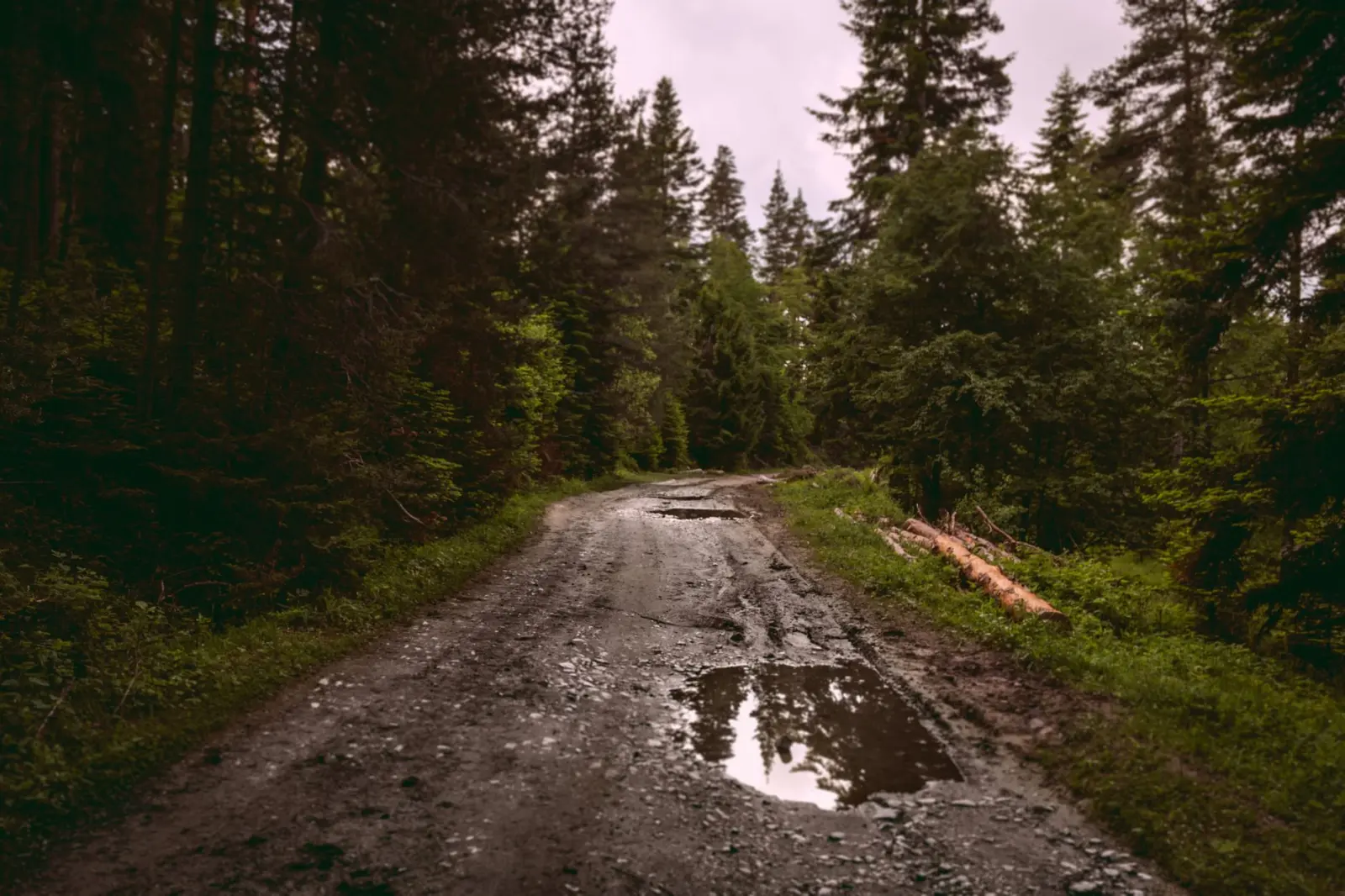
Dangar Falls sits in the New England region of New South Wales, tucked into landscape that looks manageable from a distance but demands respect once you’re actually moving through it. The forest surrounding the falls isn’t a manicured walking trail system. It’s dense, variable, and the experience changes significantly depending on when you go and how prepared you actually are for what’s underfoot.
The falls themselves are the obvious draw – a narrow cascade dropping into a pool surrounded by tall trees and damp rock. Most people who come here spend time at the base, take photos, and leave within an hour. The forest exploration happens when you push beyond that immediate area, and that’s where things become less predictable. The terrain shifts from managed track to something closer to bushwalking, where navigation becomes active rather than passive.
The Ground Conditions and What They Mean
The forest floor around Dangar Falls is wet most of the year. Even during drier months, the canopy is thick enough that moisture lingers. This creates a particular kind of walking surface that many people underestimate. The soil is soft, sometimes boggy, and tree roots form natural obstacles that aren’t always visible until you’re stepping over them. Moss grows on rocks and logs, making them genuinely slippery – not just textured, but actively slick.
After rain, the situation changes noticeably. Drainage in the forest is poor in places, so water collects in shallow depressions and along the track. Mud forms quickly and holds moisture for days. The rocks become hazardous, and any loose footing becomes a real concern rather than a minor annoyance. I’ve watched experienced walkers slip on what looked like a stable rock face because the moss layer was thicker than expected.
The vegetation itself creates friction. Ferns and low scrub brush against your legs constantly, and in places where the canopy closes in, you’re moving through a narrower space than you’d anticipate from a distance. This isn’t dangerous, but it’s tiring. Your legs work harder because you’re not moving in a straight line – you’re constantly adjusting around obstacles.
Timing and Light in the Forest
The density of the canopy means light levels drop significantly. Even at midday, the forest feels dimmer than the open areas around the falls. This matters more than it initially seems. Your eyes adjust, but depth perception changes in lower light, and uneven ground becomes harder to read. Shadows obscure tree roots and rock edges that would be obvious in full sun.
Starting early is practical not because of any romantic notion about morning light, but because you need the actual hours of daylight. By late afternoon, the forest gets noticeably darker, and navigating becomes slower and more careful. If you’re exploring beyond the main falls area, you want to be heading back by mid-afternoon, not starting your exploration then. The walk back always takes longer than you expect, partly because fatigue sets in and partly because the terrain genuinely slows you down.
Navigation and the Lack of Clear Paths
This is where many visitors encounter their first real problem. The area immediately around the falls has a clear track. Beyond that, the situation becomes ambiguous. There are trails, but they’re not always obvious, and they branch in ways that aren’t always marked. Social trails form where people have walked repeatedly, and these can be misleading. A well-worn path might be a dead end that people have explored and retreated from, not a main route.
Without a map or GPS, it’s easy to wander into areas that feel like they should be accessible but aren’t, or to take longer routes than necessary. The forest doesn’t look dramatically different from one section to another, so landmark navigation is unreliable. I’ve seen walkers spend an extra 30 minutes going in circles because they were following what seemed like a logical route but wasn’t the established track.
A basic map or GPS app makes an enormous difference here. Not because you’re in serious danger of getting lost, but because it removes the constant low-level uncertainty about whether you’re on the right route. That uncertainty is tiring in itself.
Physical Demands and Fatigue
The terrain around Dangar Falls involves elevation change, but it’s not the dramatic kind that feels like climbing. It’s persistent, rolling, with sections that don’t feel steep but accumulate effort. Roots and rocks mean your foot placement requires attention on nearly every step. This constant low-level engagement of stabilizer muscles is what makes the walk tiring, not necessarily the distance or elevation.
Most people underestimate how much energy the forest demands. A two-hour walk that would be straightforward on a clear track becomes noticeably more demanding when the ground is uneven and your attention is divided between navigation and footing. Fatigue affects judgment, and judgment affects safety. By the time you’re heading back, you’re more likely to make a misstep or miss a turn.
Seasonal Variations and Practical Reality
Winter brings cooler temperatures but also more moisture. The forest is wetter, and the risk of slipping increases. Spring and early summer mean more vegetation, which can obscure the trail and make navigation harder, though the ground is often more stable. Late summer and autumn offer the driest conditions, but the canopy is still dense enough that moisture persists in shaded areas.
The water in Dangar Falls itself varies with season. After heavy rain, it’s a powerful cascade that looks dramatic and sounds impressive. During dry periods, it’s a smaller flow, but the forest conditions don’t change as much as you’d expect. The moisture lingers regardless.
Most people come during warmer months, which makes sense for comfort, but it doesn’t necessarily mean the conditions are easier. It just means you’re not dealing with cold as an additional factor. The forest itself remains demanding year-round.
What tends to separate a straightforward forest exploration from a frustrating one isn’t usually a single factor. It’s the combination of wet ground, unclear navigation, variable light, and the physical demands of uneven terrain. None of these alone is prohibitive, but together they require a different approach than a standard walking trail. Proper footwear with actual grip, a map or navigation app, starting early, and realistic expectations about pace all make a measurable difference. The forest around Dangar Falls isn’t hostile, but it rewards preparation and attention more than most day walks in the region.



