
The forest around Protestors Falls operates on its own schedule, indifferent to when you decide to visit. I’ve walked these trails in conditions ranging from late spring mud to early winter frost, and the experience shifts dramatically depending on when you arrive. Most people show up with expectations shaped by a single photograph or a friend’s account from one particular season, then find themselves managing terrain that bears little resemblance to what they imagined.
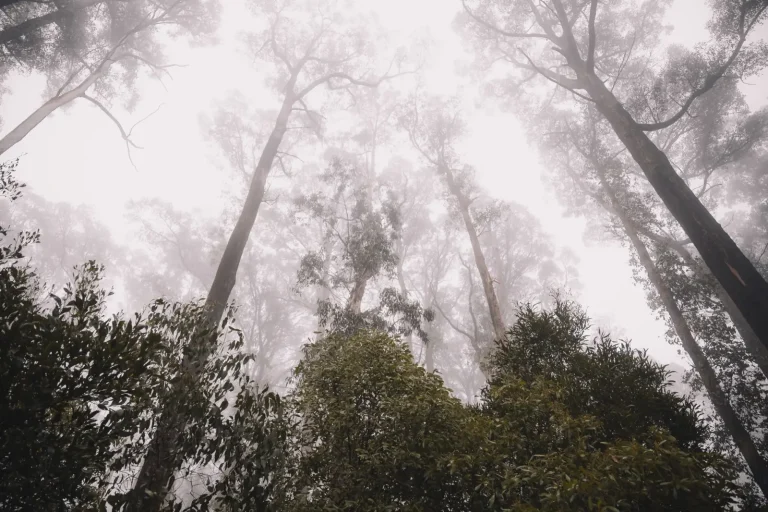
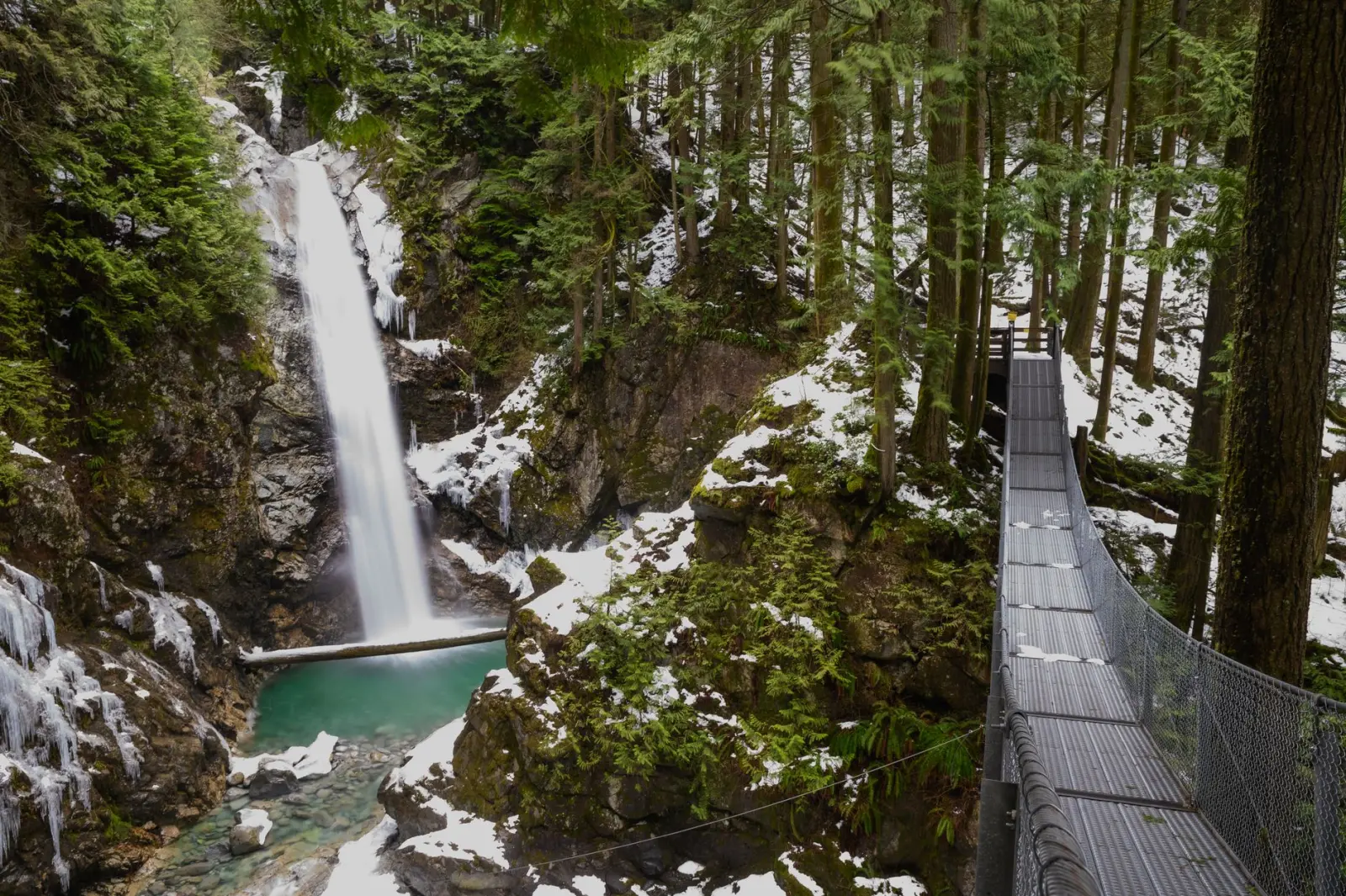
The falls themselves are modest in scale – not a dramatic plunge, but a genuine cascade with enough water movement to create a real presence in the landscape. The forest around it is dense hardwood and mixed growth, the kind of environment where the canopy stays thick even when leaves are down. This matters because it affects light, moisture retention, and how quickly the ground dries after rain. The understory is thick with ferns, moss, and low vegetation that looks deceptively stable until you’re actually walking on it.
Trail Conditions Across Seasons
Spring through early summer brings the most water to the falls, which is visually satisfying but creates real problems on the approach. The trail becomes a drainage channel in places. Water doesn’t just cross the path – it runs down it. Mud isn’t the main issue; it’s the slick clay and exposed root systems that become treacherous when wet. I’ve seen experienced hikers slip on what looks like solid ground. The ferns are at their fullest, which looks lush in photos but means you’re walking through vegetation that obscures your footing. Ticks are active during this period, particularly in the transition zones between open areas and dense forest.
By mid-summer, the ground firms up considerably. The falls have less volume, but the trail becomes genuinely pleasant. This is when most casual hikers attempt the walk, which means you’ll encounter more people and more worn sections of path. The shade is complete enough that it stays cool even on hot days. The main hazard shifts from slickness to simple fatigue and dehydration – people underestimate the humidity and the subtle elevation changes.
Fall is when the forest changes character entirely. The canopy opens, which increases light but also increases exposure. The ground becomes covered with leaf litter that hides rocks and root systems effectively. This is where I see the most ankle injuries. A twisted ankle on a relatively minor trail becomes a serious problem when you’re 40 minutes from the trailhead and the light is starting to fade by 5 p.m. The falls have minimal water at this point, which some people find disappointing. The temperature swings wildly – warm midday, cold by late afternoon – and people often dress incorrectly for these shifts.
Navigation and Unmarked Sections
The trail to Protestors Falls isn’t consistently marked, and this catches people off guard. There are sections with clear blazes or maintained path, then stretches where the route becomes ambiguous. The forest floor itself becomes the trail in places, and distinguishing between actual path and animal trails requires attention. I’ve watched groups pause at forks and make confident guesses about which way to go, sometimes incorrectly.
The most common navigation error happens about two-thirds of the way in, where the trail seems to split or fade. The correct route stays closer to the water drainage on your left, but it’s not always obvious. People often veer too far right, following what looks like a clearer path but is actually just a drainage gully. This adds 10 to 15 minutes of backtracking, which compounds fatigue and frustration.
GPS helps, but it’s not a substitute for paying attention. Cell service is intermittent, and the tree cover means satellite signals can be unreliable. A basic map and compass is genuinely useful here, though most people don’t carry either anymore. The real navigation tool is simply stopping periodically to look around and confirm you’re still following water sounds and the general contour of the land.
Physical Demands and Pacing
The distance to the falls is usually quoted as 2 to 3 miles depending on where you start, but distance is a poor measure of difficulty here. The elevation gain is real but gradual, which means people underestimate the cumulative effect. The trail doesn’t have steep pitches that force you to slow down and acknowledge the effort. Instead, it’s a steady climb that feels manageable until you’re 45 minutes in and your legs are already tired.
The return trip is where people misjudge their energy. The downhill feels easier mentally, but it’s harder on joints and requires more concentration to avoid slipping. I’ve seen hikers who made good time going up arrive back at the trailhead significantly slower on the way down, surprised by how much effort it took.
Water is essential, and most people don’t bring enough. The forest is humid and the exertion is steady, so dehydration happens quietly. You don’t feel dramatically thirsty until you’re already depleted. Two liters is a reasonable starting point, more if it’s warm or you’re hiking with children.
What Changes the Experience
Weather in the 24 hours before you visit matters more than the forecast for the day itself. Heavy rain the previous day leaves the ground saturated and the trail slippery long after the rain stops. Light rain during your hike is manageable; heavy rain turns the experience into a slog and increases hazard significantly.
Time of day affects safety and experience more than most people consider. Starting early means you finish with daylight to spare and encounter fewer people. Starting after 10 a.m., particularly in fall and winter, means you’re racing against sunset. The forest gets genuinely dark under the canopy, and a headlamp becomes essential rather than optional.
The crowd level has increased noticeably over the past few years. Weekends are considerably busier than weekdays. The social experience of the hike – whether you’re alone, with a small group, or constantly passing other people – changes the entire feel of the forest. Solitude is harder to find here than it was even five years ago.
The forest around Protestors Falls is forgiving in most respects but demands respect for its actual conditions rather than the conditions you imagined. It rewards preparation, attention, and realistic pacing. It doesn’t punish mistakes severely, but it makes them obvious.