

The forest around Killen Falls operates on its own schedule. Most people arrive expecting a straightforward waterfall visit and find themselves negotiating creek crossings, muddy descents, and vegetation that closes in without warning. I’ve walked these trails dozens of times across different seasons, and the experience varies enough that generic advice becomes almost useless. What matters is understanding how the landscape actually behaves and what that means for your time and energy.
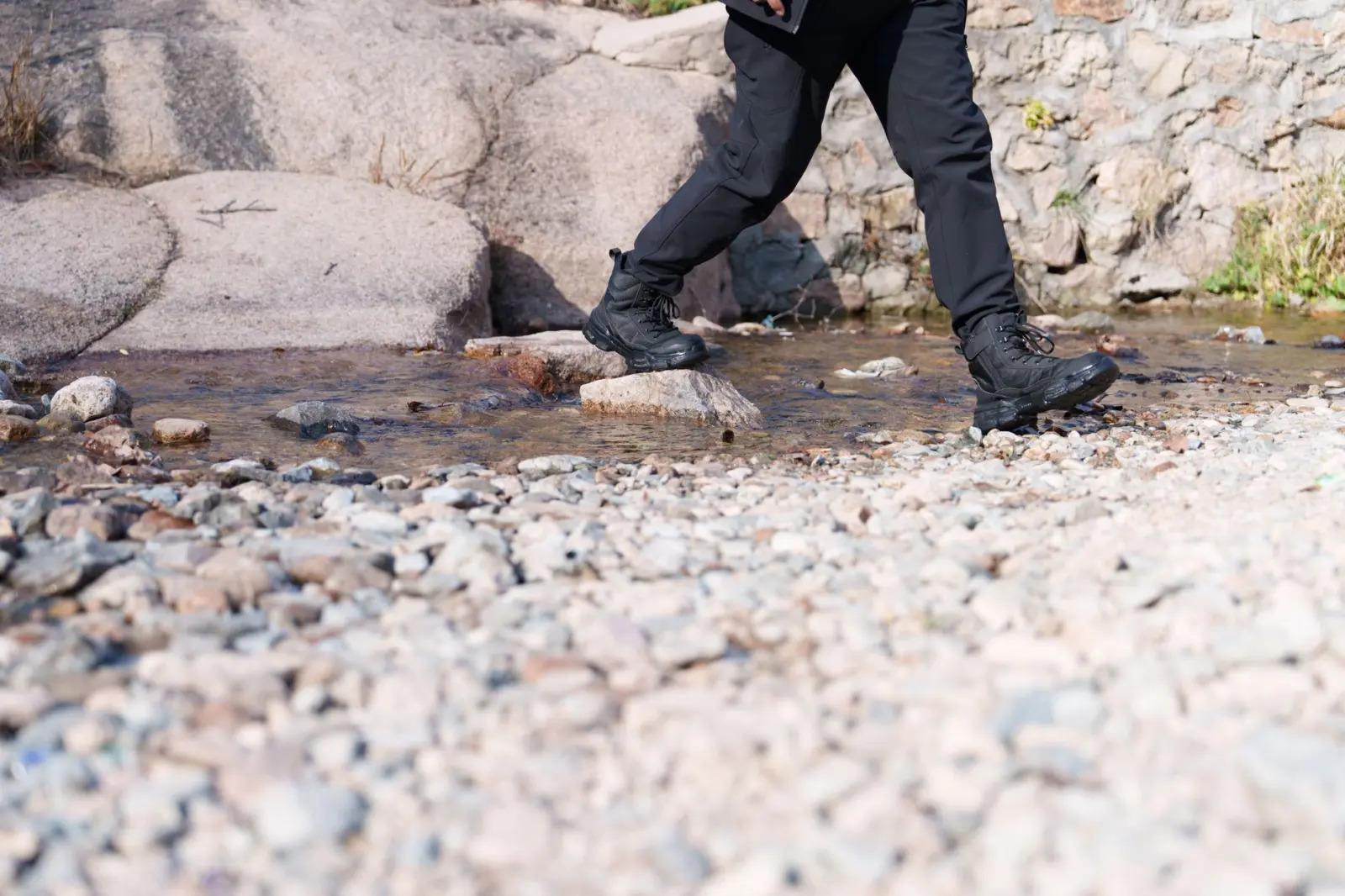
The main approach follows a creek bed for much of the distance, which sounds simple until you’re actually in it. The creek isn’t always passable in the same way twice. After rain, the water rises quickly and the rocks become genuinely treacherous. The moss-covered stones that look stable are often the most slippery. I’ve watched experienced walkers lose their footing on what appeared to be solid ground. The creek crossing near the falls themselves is the point where most people either commit or turn back. The water depth and current vary seasonally, but even in drier months, the rocks shift and the footing changes.
Timing and the Reality of Distance
The walk takes longer than most estimates suggest. Trail guides often cite 45 minutes to an hour for the approach, but that’s optimistic unless you’re moving fast and the conditions are ideal. In practice, the combination of creek navigation, overgrown sections, and the need to watch your footing means most walkers spend 90 minutes to two hours getting to the falls and back. The forest canopy is dense enough that you lose direct sunlight for much of the walk, which affects both visibility and your sense of how much time has passed.
The terrain gains elevation gradually but persistently. It doesn’t feel steep until you’re partway through and realize you’ve been climbing steadily. The descent on the return journey is where fatigue shows itself most clearly. Knees take the impact, and the slippery sections become genuinely risky when you’re tired. I’ve seen people who moved confidently on the way in become cautious and slow on the way back. This isn’t weakness – it’s just how the body responds to sustained downhill movement on uncertain footing.
Vegetation and Navigation
The track isn’t always obvious. In some sections, the path is clear and well-worn. In others, particularly after heavy growth periods, the vegetation narrows the route significantly. Overhanging branches force you to duck or push through, which slows movement and can be disorienting if you’re not expecting it. The forest floor is often obscured by leaf litter, so you’re essentially feeling your way along the path rather than seeing it clearly.
Navigation is rarely an issue if you follow the creek, but there are moments where the creek splits or the main path diverges. Most people instinctively follow the water, which usually works, but I’ve encountered walkers who took a wrong branch and ended up on a steeper, more difficult route. The forest doesn’t look dramatically different in the wrong direction – it just becomes progressively more awkward. Marking is minimal, so paying attention to the route on the way in matters.
Seasonal Variation and Water Conditions
The falls themselves are most impressive after rain, but that’s also when the approach is most challenging. High water in the creek makes the crossing more technical and the rocks more unstable. The spray from the falls creates a fine mist that drifts through the forest, which sounds pleasant but actually makes everything slippery – the rocks, the vegetation, your boots. I’ve found that the best conditions for comfortable walking are typically a few days after rain, when the water level has dropped but the falls still have good flow.
In dry periods, the creek becomes intermittent in sections. Pools remain, but the water flow diminishes and the rocks dry out. This makes the crossing easier but changes the character of the walk. The forest feels different without the sound and presence of moving water. The falls themselves can reduce to a trickle, which affects whether the destination feels worth the effort. I’ve walked the same route in August and found it almost unrecognizable compared to a winter visit.
What Actually Matters on the Ground
Footwear is more important than most people realize. Runners or smooth-soled boots slip consistently on wet rock and moss. Boots with genuine grip make a measurable difference. The same applies to your pack. A heavy pack shifts your center of gravity and makes slippery sections significantly harder. I’ve noticed that walkers with lighter loads move more confidently and recover faster from minor slips.
The forest canopy means you need to manage light carefully. Starting early gives you better visibility for the technical sections and means you’re not navigating the return journey in poor light. I’ve seen walkers arrive at the falls in mid-afternoon and realize they’re facing a descent in fading light, which turns the final section into genuine risk management rather than enjoyable walking.
Water and energy matter more than people expect. The walk isn’t long enough to feel like a serious hike, but the constant attention required – watching footing, navigating obstacles, managing balance on uneven terrain – is mentally and physically draining. Most people underestimate how tired they feel by the time they return to the car. Carrying adequate water and eating something before the walk prevents the situation where fatigue combines with low blood sugar and turns the final section into a slog.
The forest around Killen Falls rewards attention and realistic preparation. It’s not a dangerous walk if you move carefully and respect the conditions, but it’s also not a casual stroll. The creek, the vegetation, and the terrain demand focus. Once you’ve done it a few times and understand how the landscape actually behaves, the walk becomes more predictable and manageable. The falls themselves are worth seeing, but the experience is defined as much by the approach as by the destination.



