

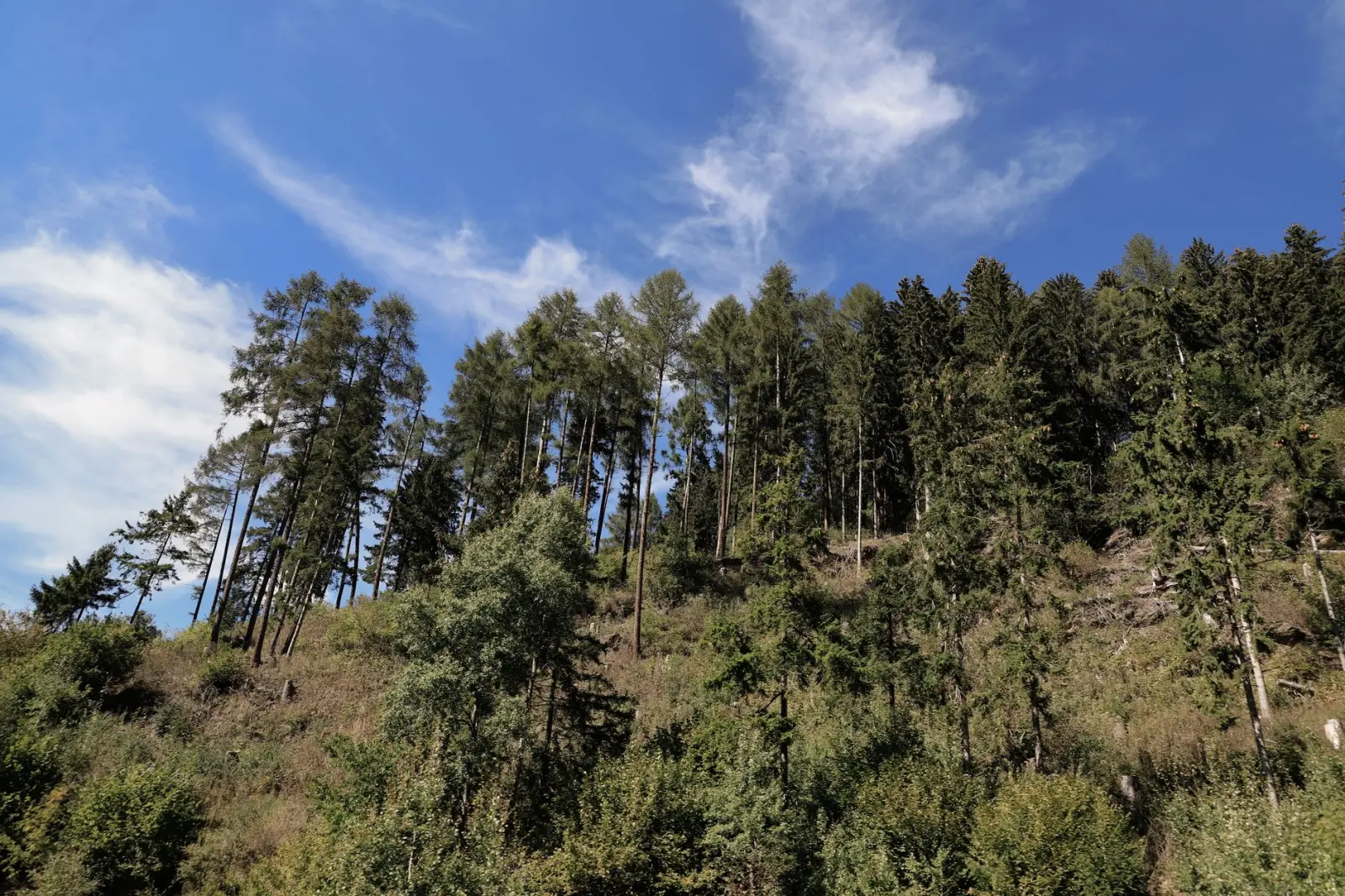
The forests around Montville sit on the Blackall Range at roughly 600 metres elevation, which means they occupy an odd middle ground in Queensland’s geography. They’re not the tropical lowlands you find an hour south, and they’re not the high country either. This elevation creates a particular character that doesn’t fully announce itself until you’re actually moving through the bush. The canopy is dense enough to filter light into a perpetual green dimness, the soil stays damp longer than you’d expect, and the temperature can shift noticeably depending on whether you’re walking the ridgeline or dropping into a gully.
Most people arrive in Montville expecting a casual walk. The village itself has a certain quaintness that suggests gentle strolls, and the local tourism material reinforces this. What they encounter instead is terrain that demands respect. The trails aren’t technical in the rock-climbing sense, but they’re relentlessly undulating. There are no long flat stretches where you can settle into a rhythm. Instead, the walking alternates between climbing sections that tax your legs and descents that jar your knees, particularly if you’re not accustomed to prolonged downhill movement. The cumulative effect over two to three hours is significantly more demanding than the distance alone would suggest.
Timing and Daylight Reality
Walking these forests requires genuine attention to daylight hours. The canopy cover means that dusk arrives earlier than it would in open country. By 4:30 PM in winter, the light has deteriorated enough that navigating becomes noticeably harder. In summer, you have more buffer, but the assumption that you can “just head out” at mid-afternoon and see where it goes is a reliable way to find yourself moving through dimming forest with uncertain footing. I’ve seen walkers emerge from trails at the edge of twilight, moving more carefully than they had been, their earlier pace abandoned for caution.
The practical reality is that a three-hour walk needs to start by 10 AM to finish with comfortable daylight margin. Longer walks – anything over four hours – really need an 8 or 9 AM start. This isn’t negotiable if you’re unfamiliar with the specific trail. Even if you know the route, the forest at dusk moves differently. Shadows obscure root systems and rocks. The path becomes less obvious. You’re working harder to place your feet accurately, which fatigues you faster.
What the Terrain Actually Offers
The forest composition varies depending on which trails you’re on. Some sections pass through eucalypt woodland with relatively open understory. Others move into rainforest pockets where the vegetation is thicker, the air feels different, and the ground is often softer and wetter. The rainforest sections are visually interesting but physically slower. Your pace naturally drops because the footing is less certain and the vegetation occasionally requires minor navigation around obstacles.
Water crossings are common. Most of the year they’re manageable – ankle to mid-calf depth – but they’re not trivial. The rocks are often slippery with algae. If you’ve had recent heavy rain, some crossings become genuinely difficult and occasionally impassable depending on the trail. I’ve turned back from walks because a normally minor creek had become a serious obstacle. This isn’t a dramatic event; it’s just a practical constraint that changes what’s possible on any given day.
The views, when they exist, come from specific vantage points rather than being continuous. You don’t walk along ridgelines with panoramic scenery. Instead, you get occasional glimpses through the trees, and certain established lookout spots offer broader perspectives. These spots are worth reaching, but they’re not the primary experience of the walk. The primary experience is the forest itself – the texture of the bark, the sound of the canopy, the particular smell of damp earth and decomposing leaves.
Physical Preparation and Footwear
The undulating terrain means that calf and quad strength matters more than pure cardiovascular fitness. I’ve seen fit runners struggle with these trails because the constant elevation change demands leg endurance in a specific way. Conversely, people who regularly walk hills handle it better than their overall fitness level might suggest. If you’re not accustomed to this type of terrain, the soreness in your legs the following day can be substantial.
Footwear is worth taking seriously. Trail shoes with decent tread and ankle support make a measurable difference, particularly on descent sections. Regular running shoes work if that’s what you have, but they don’t grip as well on wet or loose sections, and your feet tire faster because you’re working harder to maintain stability. The forest floor is uneven enough that ankle support becomes relevant, especially if you’re carrying a pack or walking alone.
Navigation and Trail Marking
The main trails are reasonably well marked with painted blazes on trees, but the marking isn’t constant. There are sections where you need to actively look for the next blaze rather than simply following an obvious path. This is manageable if you’re paying attention, but it’s easy to drift off-trail if you’re walking on autopilot or distracted by conversation. I’ve seen small groups lose the trail for 10 or 15 minutes because they weren’t watching for markers carefully enough.
The forest can look repetitive, which contributes to this navigation hazard. One section of eucalypt woodland looks similar to another. Without active attention to the trail markers, you can cover ground while gradually drifting sideways from the actual path. It’s not dramatic – you’re not suddenly lost in the middle of nowhere – but it does mean you’ve wasted time and effort. Carrying a map or having downloaded the trail on a GPS app is practical insurance, particularly if you’re walking alone or unfamiliar with the area.
The established trails are safe in the sense that they don’t lead into genuine wilderness or dangerous terrain. But they’re not manicured paths with handrails. They’re forest trails with real obstacles, variable conditions, and sections that demand your attention. Walking them successfully is less about special skills and more about realistic preparation, appropriate timing, and genuine awareness of what’s happening around you as you move through the bush.



