Tooloom National Park sits in the border ranges between Queensland and New South Wales, and its forest walks feel nothing like the manicured national park experiences most people encounter. The subtropical rainforest here is dense, humid, and genuinely indifferent to your schedule. I’ve walked these trails across different seasons, and the park rewards preparation far more than enthusiasm.
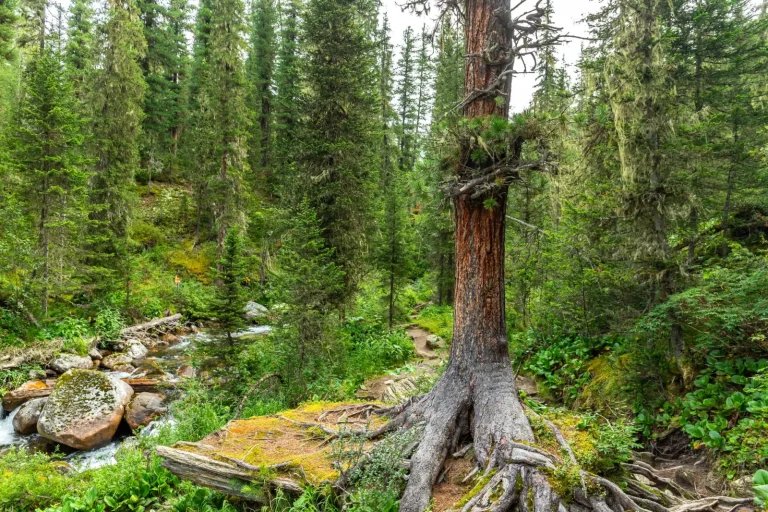
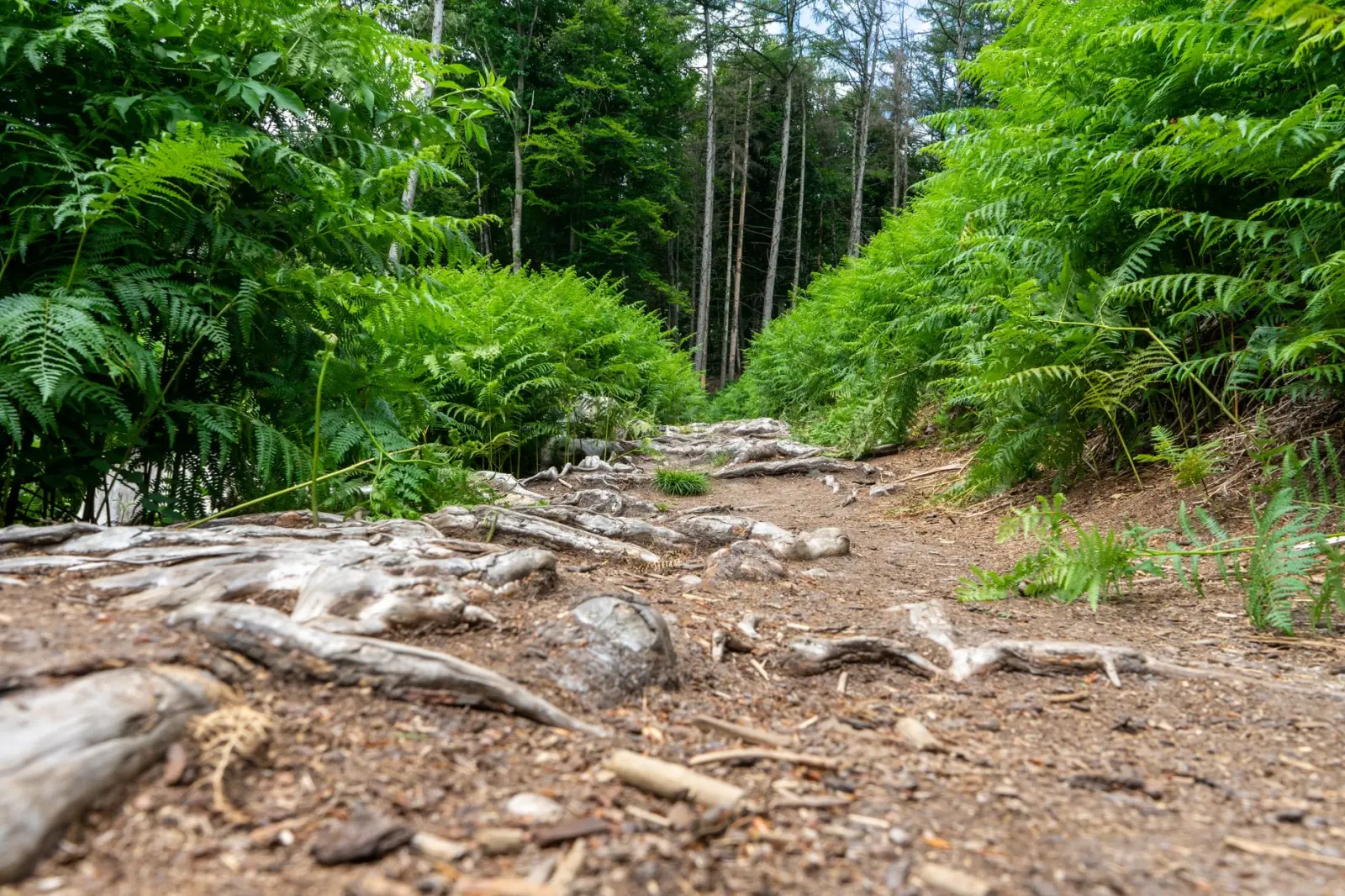
The forest itself is the first thing that strikes you. It’s not the kind of environment where you can see far ahead or plan your route visually. The canopy is thick enough that even on bright days, the light feels filtered and soft. The ground is uneven – exposed roots, rocks hidden under leaf litter, and sections where the path becomes almost a creek bed after rain. This isn’t a flaw in the trail maintenance; it’s simply how subtropical rainforest works. The park sits on steep terrain, and water moves through it constantly.
Most people underestimate how much the humidity affects pace. On paper, a 5-kilometer loop sounds manageable. In practice, when you’re walking through air that feels almost liquid and the temperature sits around 25 – 28 degrees Celsius even in the cooler months, your body works harder than the distance suggests. I’ve watched fit walkers slow considerably after the first hour, not from weakness but from the simple physics of thermoregulation in a rainforest environment. Your body is constantly cooling itself through sweat, and the air is already saturated, so that cooling mechanism becomes less efficient.
Timing and Seasonal Shifts
The park is accessible year-round, but the experience changes dramatically between seasons. Winter (June to August) is genuinely the better window for walking here. Temperatures drop to around 15 – 20 degrees Celsius, humidity is lower, and the trails dry out faster after rain. A walk that feels punishing in February becomes almost pleasant in July. The trade-off is that winter mornings can be cool enough to require a layer, and you’ll lose daylight earlier – sunset comes around 5 p.m. in June.
Spring and autumn sit in an awkward middle ground. The weather is warm but not extreme, yet the humidity remains high enough to make exertion feel heavier than it should. Summer is the season to avoid if you have options. December through February brings heat, humidity, and frequent afternoon storms that can turn sections of trail into flowing water within minutes. I’ve been caught in these storms, and they’re not gentle. The rain is heavy enough that visibility drops and the trail becomes slippery. If you’re committed to summer walking, start very early – 6 a.m. or earlier – and plan to finish by early afternoon.
What the Forest Demands of You
Footwear matters more than most trail guides suggest. The combination of moisture, exposed roots, and loose rock creates conditions where standard hiking boots can feel clumsy. Many experienced walkers here prefer trail shoes with good grip and drainage – something that sheds water quickly and doesn’t trap moisture. Your feet will get wet. Accepting that early makes the walk easier psychologically.
Water intake is straightforward but often misjudged. The humid air makes it hard to sense how much you’re sweating, so dehydration creeps up quietly. I carry at least 2 liters for a half-day walk, and I drink regularly even if I don’t feel thirsty. The park has water sources at some points, but relying on them means carrying a filter or purification tablets. Most people don’t bother, which is why carrying your own is the safer approach.
The insects are present but not the nightmare some people imagine. Mosquitoes are more common near water sources and during dawn and dusk. Leeches appear after rain and in the wetter months, particularly June through September. They’re not dangerous, but they’re persistent. Salt or insect repellent works, though the repellent washes off quickly in the humidity. Ticks exist but are less common than in drier bushland. The real annoyance is usually just the general buzz of small flying things that seem attracted to the warmth of your body.
Navigation and Trail Conditions
The main walking tracks are marked, but the markings can be subtle. Painted blazes on trees are the standard, but in a forest where everything is green and wet, they blend in more than you’d expect. I always carry a map, even on familiar sections. The trails fork occasionally, and taking a wrong turn means backtracking through terrain that’s harder going uphill than down. GPS is useful as a backup, though the dense canopy can weaken signal.
Trail condition varies significantly between the upper and lower sections of the park. The lower walks near the main facilities are more established and better drained. The higher elevation tracks are steeper, muddier, and see less foot traffic. This isn’t a judgment – it’s just the reality of how rainforest trails age. The more remote sections feel more like genuine forest walking, but they also demand more from your legs and lungs.
After heavy rain, some sections become genuinely difficult. I’ve encountered sections where the trail is essentially a small stream, and you’re choosing between walking through flowing water or trying to pick your way along the edges through dense vegetation. Waiting a day or two after significant rain is usually worth it. The park drains reasonably well, but heavy downpours can take 24 – 48 hours to fully work through the system.
The quiet of the forest is real and worth noting. You’ll hear bird calls, water moving through the canopy, and the constant soft sounds of the ecosystem, but human noise fades completely. This means you can hear other walkers approaching from a distance, which is useful for safety and for managing the social aspect of trail walking. It also means that any sound that breaks the pattern – a branch crack, something moving in the undergrowth – registers immediately. Most of the time it’s just wildlife, but the heightened awareness is part of the experience.
Walking Tooloom’s forest isn’t complicated, but it does require respect for what the environment actually is rather than what you imagine it to be. The trails are well-maintained and safe, but they’re also genuinely wild in the way that subtropical rainforest is wild. Preparation, realistic pacing, and acceptance of the humidity and moisture make the difference between a walk that feels like work and one that feels like being inside something larger than yourself.