
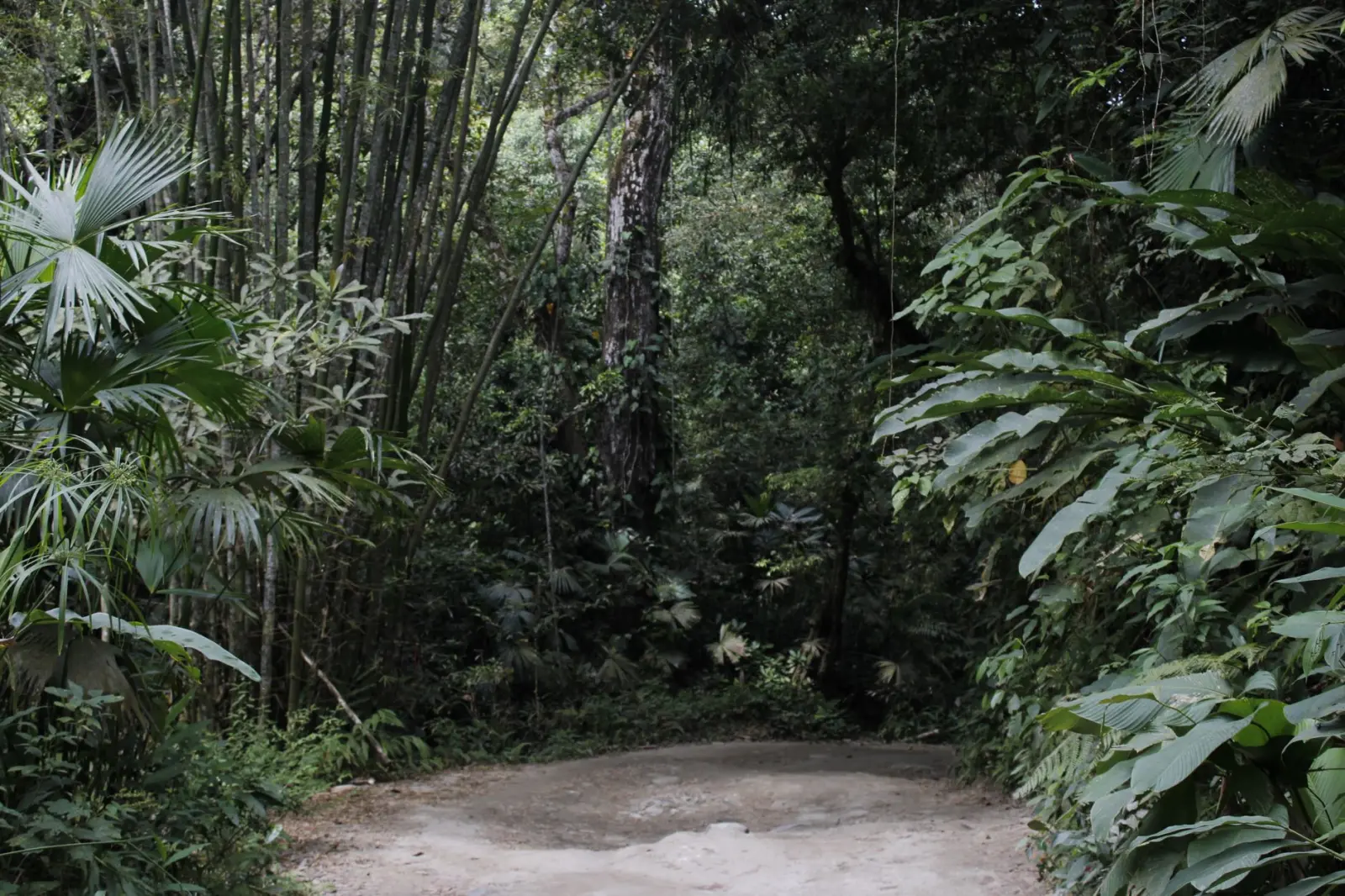
Cardwell sits at the gateway to some genuinely interesting forest country. The rainforest here isn’t the manicured, well-signposted kind you find in more touristed pockets of Queensland. It’s working forest – dense, humid, and unforgiving if you’re not paying attention. I’ve spent enough time moving through these patches to know what tends to catch people off guard and what actually makes a difference when you’re out there.
The first thing to understand is that Cardwell’s forests operate on tropical timing. The humidity doesn’t drop much even in the cooler months, and the canopy is thick enough that you lose direct sun almost immediately. This means your body temperature regulation works differently than it would in drier bushland. You don’t sweat efficiently in this kind of air, so dehydration creeps up faster than you’d expect. I’ve watched fit walkers hit a wall around the 90-minute mark because they underestimated the work their body was doing just to stay cool.
The terrain around Cardwell varies significantly depending on which direction you head. Toward the ranges, the forest floor becomes increasingly broken – roots, fallen timber, and uneven ground that demands constant attention to your footing. Toward the coast, you get sections of more open forest with better drainage, though the soil can be slippery after rain. The difference matters because it affects both your pace and your energy expenditure. A 5-kilometer walk on broken terrain takes roughly twice as long as the same distance on flatter ground, and people consistently underestimate this.
Timing and the Afternoon Window
Most people who explore these forests make the same scheduling choice: they start mid-morning and expect to be back by early afternoon. This works, but it’s tight. The walk from town to the forest edge takes time, and once you’re in, you’re committed to the pace the terrain demands. Starting at 8 a.m. gives you a genuine 4-5 hour window before light becomes a real factor. Starting at 10 a.m. cuts that to 3-4 hours, which is enough for a solid walk but leaves no buffer for getting turned around or moving slower than anticipated.
The light quality changes noticeably around 4 p.m. in these latitudes, even in summer. The canopy accelerates the dimming, so it gets dark faster than you’d think from the sky. I’ve seen people caught out by this – not in genuine danger, but uncomfortable and moving slowly through terrain that demands attention. A headlamp isn’t optional if there’s any chance you’ll be walking after 3:30 p.m., and most people don’t carry one.
Water, Insects, and What the Forest Demands
Cardwell’s forests have water. Creeks run through most of the accessible areas, and the forest stays wet. This is good for navigation – water generally flows downhill, and following creeks can help you orient yourself – but it also means the ground is often boggy or unstable near water sources. The insects here are real. Mosquitoes breed in standing water, and they’re active from late afternoon onward. Leeches are present in the wetter sections, particularly after rain. Neither is dangerous, but both are genuinely uncomfortable, and you need to be prepared for them rather than discovering them mid-walk.
The forest canopy provides some protection from sun, which is valuable, but it also traps humidity and creates conditions where your skin stays damp. This isn’t just uncomfortable – it’s relevant to how your body manages temperature and how quickly you fatigue. Clothing choice matters more here than it does in drier environments. Cotton absorbs moisture and stays wet; synthetic fabrics dry faster and keep you cooler. It’s a small detail, but it affects how you feel after 2-3 hours of walking.
Navigation and Getting Oriented
The forest around Cardwell isn’t a maze, but it’s dense enough that visual landmarks disappear quickly. If there’s a track, it’s usually clear enough to follow. If there isn’t, you need to be deliberate about navigation. GPS works under the canopy, though the signal can be patchy. A map and compass are useful, but they’re only useful if you know how to use them. Most people don’t, and they rely on following obvious tracks or turning around when they’re unsure. This is a reasonable approach, but it limits where you can go and how long you can stay out.
I’ve noticed that people often overestimate how far they’ve walked in forest. The broken terrain and constant attention required make time feel longer, and the lack of clear distance markers means you lose track of progress. A walk that feels like it took 2 hours often turns out to be 1.5 kilometers. This isn’t a problem if you’re aware of it, but it catches people who are expecting to cover more ground.
Wildlife and What You Actually Encounter
Snakes are present in Cardwell’s forests, and they’re worth taking seriously. Most move away from you before you see them. The ones you encounter are usually small and non-venomous. Wearing boots and staying on obvious tracks reduces your risk significantly. Larger animals – cassowaries, wallabies – tend to avoid people. You’re more likely to hear them than see them, and they’ll move away if you approach. Spiders are abundant and visible, particularly in the early morning when webs are covered in dew. They’re not aggressive, but they’re unsettling if you walk into a web face-first, which happens regularly in this forest.
The real wildlife experience in Cardwell’s forests is usually auditory. The bird calls are constant and varied, and the forest sounds different depending on time of day and season. Early morning is noisier than midday. Wet season is different from dry season. If you’re paying attention, these sounds tell you something about the forest’s condition and activity patterns. If you’re not, they’re just background noise.
The practical reality of exploring Cardwell’s forests is that they reward preparation and realistic expectations. The terrain is manageable, the distance is manageable, but the environment demands respect for timing, hydration, and the actual pace you can sustain. People who underestimate these factors tend to have uncomfortable experiences. People who plan around them usually find it rewarding – the forest is genuinely interesting, and it’s not so heavily trafficked that you feel crowded. The key is showing up with the right mindset: this is work, not a casual stroll, and the forest will tell you quickly if you’ve misjudged your capacity.