Fallen fruit is one of the most underestimated resources in the rainforest. Most people focus on what animals eat from trees – the canopy activity, the visible foraging – but the forest floor tells a different story. After years of observing rainforest ecosystems, I’ve learned that the moment fruit drops, the entire social and feeding structure of the forest shifts. It’s not a backup food source. For many species, it’s the primary one during certain seasons.
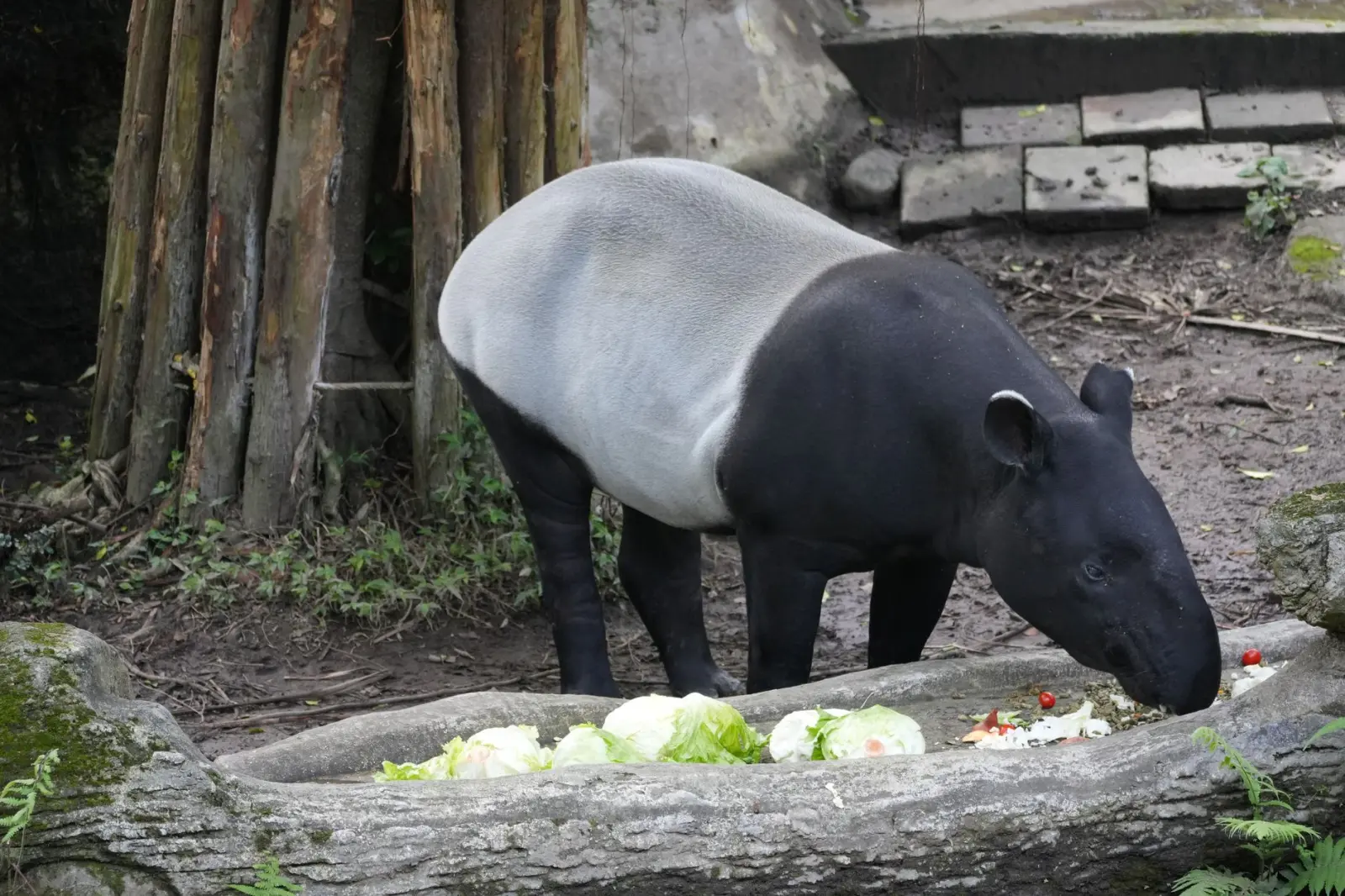
The mechanics are straightforward but the consequences ripple through the entire ecosystem. When a fruiting tree sheds its load, animals don’t have to climb or compete at height. They can feed at ground level or mid-story, which changes everything about energy expenditure, predation risk, and social hierarchy. A tapir can walk to a fallen mango and feed without the exhaustion of climbing. A peccary herd can move through an area with minimal vertical navigation. Even primates, which are excellent climbers, will descend to feast on fallen fruit rather than hang from branches.
The Timing Problem
What matters most is not the availability of fruit itself, but the predictability of when it falls and how long it remains edible. In the rainforest, fruit doesn’t drop all at once. A large tree might shed fruit over several days or even weeks, depending on species, weather, and ripeness variation. This creates a window – sometimes narrow, sometimes generous – during which animals must locate and consume the resource before it spoils, ferments, or becomes infested with insects and fungi.
I’ve observed howler monkeys timing their movements around fruiting cycles they seem to know by season. They move to specific areas not when fruit is ripe in the canopy, but when they expect it to fall. The accuracy is striking. Similarly, agoutis and pacas appear to have internal calendars; they’ll frequent areas where particular trees fruit, waiting for the drop. This isn’t random foraging. It’s anticipatory behavior built on experience or inherited knowledge.
The decay timeline is crucial. Fallen fruit in a humid rainforest environment doesn’t last long. Within hours, insects colonize it. By the next day, fungal growth accelerates. By day two or three, fermentation begins. Animals that feed on fallen fruit have adapted to work within this window. Some species, like certain birds and insects, actually prefer slightly fermented fruit – the yeast and microbial activity makes it more nutritious. Others avoid it entirely once decay sets in. This creates a succession of feeders, each exploiting the fruit at different stages of decomposition.
Competition and Social Dynamics
Fallen fruit concentrates animals in ways that canopy foraging doesn’t. When fruit drops beneath a large tree, it creates a temporary feeding site. Multiple species converge. I’ve watched coatis, peccaries, agoutis, and various rodents all feeding in the same area within hours of a major fruit drop. The social dynamics are complex. Larger animals don’t automatically dominate. Peccaries are strong and aggressive, but a determined agouti can hold its ground at a specific fruit pile. Coatis are social and organized; they move as a unit and can monopolize an area through coordinated behavior.
Smaller animals often have an advantage in the early hours after fruit falls. They can navigate between pieces quickly, grab what they need, and retreat. Larger animals need more food per individual, so they spend longer at a site. This means smaller species often feed first, then larger ones move in as the initial rush subsides. I’ve seen this pattern repeat consistently: rodents and small birds in the first hour or two, then coatis and smaller primates, then larger primates and peccaries as the afternoon progresses.
Nocturnal species add another layer. Opossums, kinkajous, and various rodents emerge at night to feed on fruit that diurnal animals have already accessed. They’re not competing for the same resource at the same time; they’re exploiting the same fallen fruit across different hours. This temporal partitioning reduces direct conflict and allows more animals to benefit from a single fruiting event.
Nutritional and Behavioral Shifts
The shift from canopy to fallen fruit changes what animals actually consume. In the canopy, animals often eat unripe or semi-ripe fruit because they’re competing for access. On the ground, they can be more selective. Ripe fruit ferments faster, so there’s pressure to consume it quickly, but animals do seem to prefer fully ripe fallen fruit when given the choice. The nutritional profile differs too. Fallen fruit that’s been on the ground for a day or more has lost some sugars to microbial activity, but it’s gained fermented compounds and yeast that may aid digestion.
I’ve noticed behavioral changes in animals that rely heavily on fallen fruit. They become more territorial during fruiting seasons. Agoutis, which are normally solitary and relatively peaceful, become aggressive around productive fruit drops. They’ll defend specific piles. Peccaries, already social, become more cohesive and defensive of their feeding areas. Primates adjust their group movements and spacing based on where fallen fruit is concentrated. These aren’t minor adjustments; they’re significant shifts in daily behavior and energy allocation.
Seed dispersal is an obvious consequence, but the mechanics matter. Animals that eat fallen fruit often move shorter distances than those foraging in the canopy. A howler monkey eating fruit from a tree might travel several hundred meters before defecating. An agouti eating fallen fruit might only move dozens of meters. This affects where seeds end up and how the forest regenerates. Some seeds benefit from this closer dispersal; others depend on longer-distance transport. The fallen fruit feeding strategy creates winners and losers among plant species.
Seasonal Variation and Predictability
The rainforest isn’t uniformly productive year-round. There are seasons when fruiting is abundant and seasons when it’s scarce. During abundance, fallen fruit is everywhere. Animals have options and can be selective. During scarcity, they’ll eat fallen fruit that’s less appealing – overripe, partially fermented, or partially consumed by insects. I’ve watched animals that normally ignore certain fruit species eagerly consume them during lean months, simply because the fruit is available and it’s fallen.
Rainfall patterns drive much of this variation. Heavy rains can cause massive fruit drops. Dry spells can delay fruiting or cause trees to abort fruit production. Animals that depend on fallen fruit have adapted to these fluctuations, but it’s not a perfect system. Years with poor fruiting see higher animal mortality, reduced reproduction, and increased competition for whatever resources are available. Conversely, years with abundant fruiting allow populations to build reserves and reproduce successfully.
The fallen fruit resource is also less predictable than canopy foraging in one key way: visibility and accessibility. A fruit in a tree is where it is. A fallen fruit can be buried under leaf litter, hidden by roots, or partially decomposed into the soil. Animals have to search more actively, which increases energy expenditure. Some species are better at this than others. Peccaries, with their sensitive snouts and ability to root through soil, can locate buried or partially decomposed fruit that other animals miss. Agoutis use their claws and speed to uncover fruit quickly.
What becomes clear after sustained observation is that fallen fruit isn’t simply a secondary food source that animals use when canopy fruit is unavailable. It’s a central part of rainforest ecology, shaping animal behavior, social structure, and population dynamics across multiple species and seasons. The animals that thrive in rainforests are those that have learned to read the patterns of fruit drop, navigate the competition it creates, and time their movements and feeding strategies to exploit this resource efficiently. The forest floor is where much of the real feeding action happens.