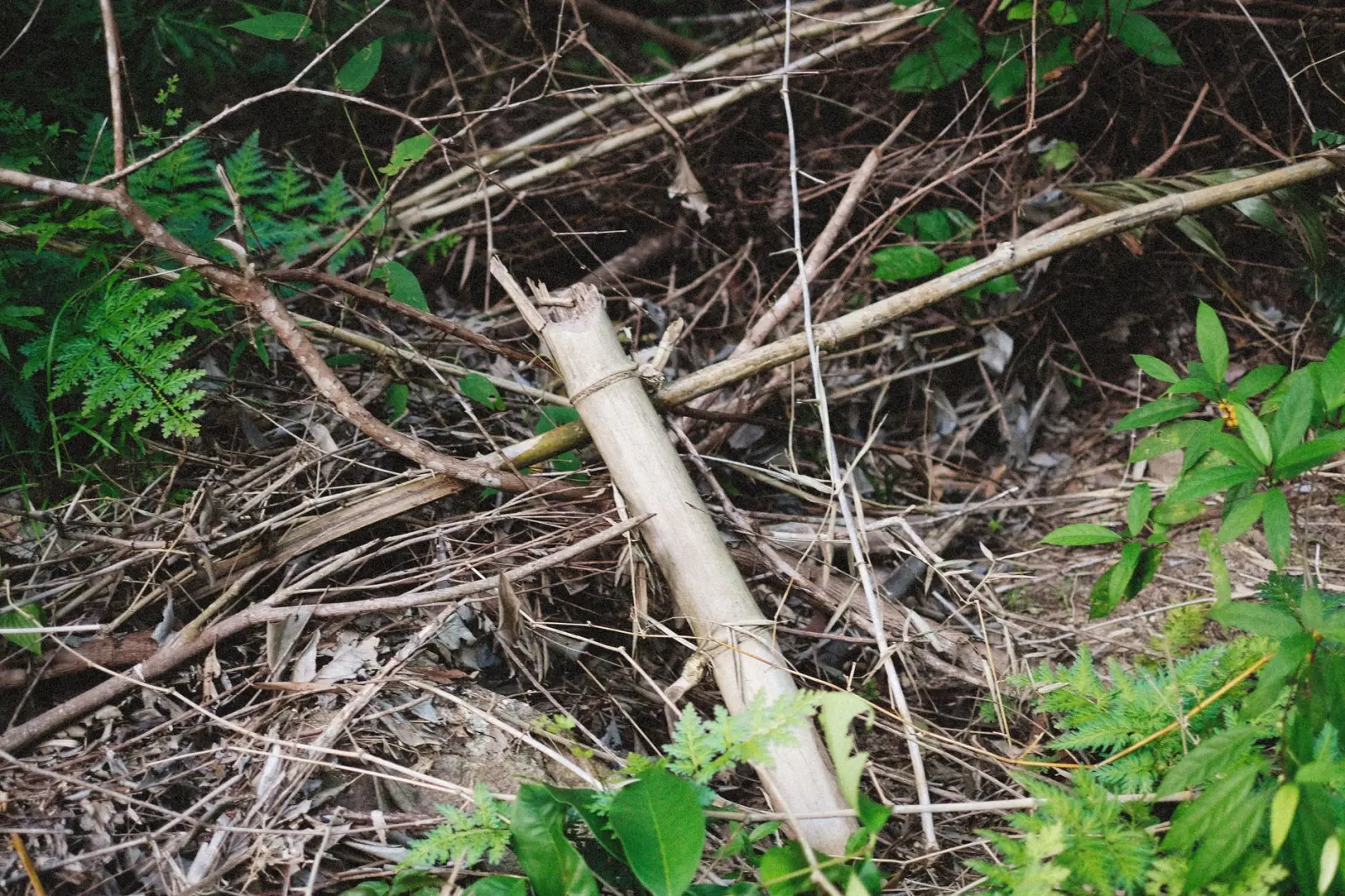
A broken branch in the rainforest is not an emergency. It’s routine. I’ve watched thousands of them hang from canopy trees, some fresh with exposed wood, others slowly dying back over months. The response varies wildly depending on the tree species, the size of the break, where it occurred, and what resources the tree has available. There’s no single recovery script – just a set of biological constraints and trade-offs that play out differently for each tree.
The immediate damage from a branch break is straightforward: the tree loses photosynthetic tissue, water-conducting vessels are severed, and a wound is exposed to pathogens and insects. But the real cost isn’t the branch itself. It’s the disruption to the tree’s hydraulic and nutrient transport system, combined with the metabolic drain of mounting a repair response while competing for light and resources with neighbors pressing in from all sides.
What happens next depends almost entirely on compartmentalization – a process that begins within hours of the break. The tree doesn’t try to heal the wound like we heal a cut. Instead, it seals it off. Specialized cells at the break site produce chemical barriers and physical walls that isolate the damaged tissue from healthy wood. This stops decay from spreading inward and downward into the trunk. I’ve examined trees where this process worked perfectly; the wound becomes a neat, dark scar. I’ve also seen trees where it failed, and the rot ran deep into the heartwood, eventually girdling the entire trunk.
Why Some Trees Recover Faster Than Others
Species matters enormously. Fast-growing pioneer species – like cecropia or guarana – compartmentalize aggressively and can regrow lateral branches within a single growing season. Their wood is softer, their metabolic rate is higher, and they’re built for rapid resource capture in disturbed light gaps. Slower, shade-tolerant species like Brazil nut trees or certain figs take years to mount a visible recovery. They’re investing in durability and chemical defense rather than speed.
Tree size is equally important. A large, established tree with a deep root system and substantial crown reserves can absorb a significant branch loss without visible stress. A smaller tree, especially one already competing for light in the understory, may never fully recover from the same damage. The smaller tree has less carbohydrate buffer, slower water transport, and fewer resources to allocate to both growth and defense simultaneously.
The location of the break changes everything. A break near the trunk is more serious than one at the branch tip. Damage near the branch collar – the thickened junction where the branch meets the main stem – can compromise the entire branch union and lead to progressive failure of larger limbs above it. A break halfway along a branch is often less consequential; the tree can simply abandon the distal portion and focus on the remaining proximal segment.
The Metabolic Cost of Recovery
Once compartmentalization is underway, the tree faces a resource allocation problem. It must fund the chemical and physical sealing process, which is expensive in terms of carbohydrates and nitrogen. At the same time, it’s lost photosynthetic surface area, so it’s producing less energy than before. This creates a genuine bottleneck, especially if the break occurred during the dry season or in a year when flowering or fruiting demands were already high.
I’ve observed that trees often respond by pulling nitrogen and phosphorus from older leaves and moving it to the wound site. This is why you sometimes see premature yellowing of lower canopy leaves after a major branch break – the tree is cannibalizing its own tissue to fund the repair. It’s a rational trade-off in the short term, but it reduces overall photosynthetic capacity even further, creating a debt that takes time to repay.
Water transport is another constraint. If the break severs a major branch carrying significant water flux, the tree’s hydraulic conductivity drops. This can trigger stomatal closure in remaining branches as a protective response, further reducing carbon uptake. Some trees compensate by increasing root water uptake temporarily, but this isn’t always possible in shallow-rooted species or during dry periods when soil moisture is limited.
Regrowth Patterns and Long-Term Crown Architecture
Assuming the tree survives the immediate metabolic crisis, regrowth begins. This rarely looks like simple branching from the break site. Instead, lateral buds on branches below the break often activate and begin growing upward, attempting to fill the gap in the crown. This produces an asymmetrical, sometimes contorted branching pattern that reflects the tree’s attempt to recapture light space.
The regrowth is often weaker than the original branch. The new branches have thinner wood, less robust vascular connections, and they’re more prone to breaking again under wind or the weight of epiphytes and vines. I’ve seen trees that experienced a major break and then suffered repeated failures in the same general area over the following decade. Each break sets back the recovery, and the tree eventually settles into a permanently altered crown shape.
Epiphyte colonization complicates recovery significantly. Ferns, orchids, bromeliads, and lichens establish on the exposed wood and on new branches as they emerge. While these don’t directly parasitize the tree, they add weight to branches that are already structurally compromised. In wet years, the biomass of epiphytes on recovering branches can be substantial enough to trigger another break. I’ve watched this cycle repeat in trees that never fully stabilized after initial damage.
Pathogen and Insect Pressure During Recovery
The exposed wood at a break site is an open invitation to beetles, fungi, and bacteria. Rainforest trees have evolved chemical defenses – tannins, phenols, and antimicrobial compounds – that are mobilized to the wound, but these defenses are never perfect. Certain beetle species specialize in finding fresh breaks and laying eggs in the exposed wood. The larvae tunnel through the tissue, creating galleries that weaken the branch further and sometimes girdle it completely.
Fungal colonization is almost inevitable. Decay fungi establish in the exposed heartwood and begin breaking down cellulose and lignin. The speed of decay depends on moisture, temperature, and the specific fungal community present. In wet years or in trees near streams, decay accelerates dramatically. I’ve seen branches that remained structurally intact for years in drier microclimates but rotted through within months when relocated to wetter positions.
The tree’s chemical compartmentalization slows this process but doesn’t stop it. What it does is create a boundary – a dark line of chemical barrier – that prevents the decay from spreading into living tissue. The dead wood beyond this line becomes a mummified shell, gradually hollowed out by decay organisms. Eventually, the branch falls, or it persists as a dead stub that may persist for years or decades.
Some trees produce callus tissue – a waxy, cork-like growth – that gradually grows over the wound surface. This is more common in temperate trees, but some rainforest species do produce visible callus. The callus is not a true seal; it’s a protective barrier that slows water loss and pathogen entry, but it doesn’t reverse the damage. The dead wood remains dead.
When Recovery Signals Deeper Stress
A single branch break is usually manageable for a healthy tree. But repeated breaks in the same tree, or slow recovery despite favorable growing conditions, often indicates underlying stress. Trees weakened by drought, pest damage, or competition may not compartmentalize effectively. The wound remains open longer, decay penetrates deeper, and the tree’s recovery response is sluggish.
I’ve examined trees in degraded forest fragments where branch breakage was chronic. These trees showed poor compartmentalization, extensive internal decay, and stunted regrowth. They were surviving, but barely. The repeated trauma, combined with reduced resource availability in a fragmented habitat, had pushed them into a state of chronic stress from which full recovery was unlikely.
Conversely, trees in healthy, intact forest with intact root systems and stable microclimate conditions recover more reliably. The difference isn’t just the tree’s genetics; it’s the forest’s buffering capacity. Intact forest moderates temperature and humidity fluctuations, maintains soil moisture more consistently, and preserves the microbial and fungal communities that help trees compartmentalize wounds effectively.
Branch loss is part of the rainforest’s normal dynamics. Wind, animal activity, and the sheer weight of biomass ensure that breakage is constant. Trees that persist in this environment have evolved sophisticated repair mechanisms, but these mechanisms have limits. They work best when the tree is healthy, when stress is episodic rather than chronic, and when the forest around it remains intact. In degraded or fragmented settings, the same trees struggle to recover from damage that they would shrug off in their native ecosystem.