
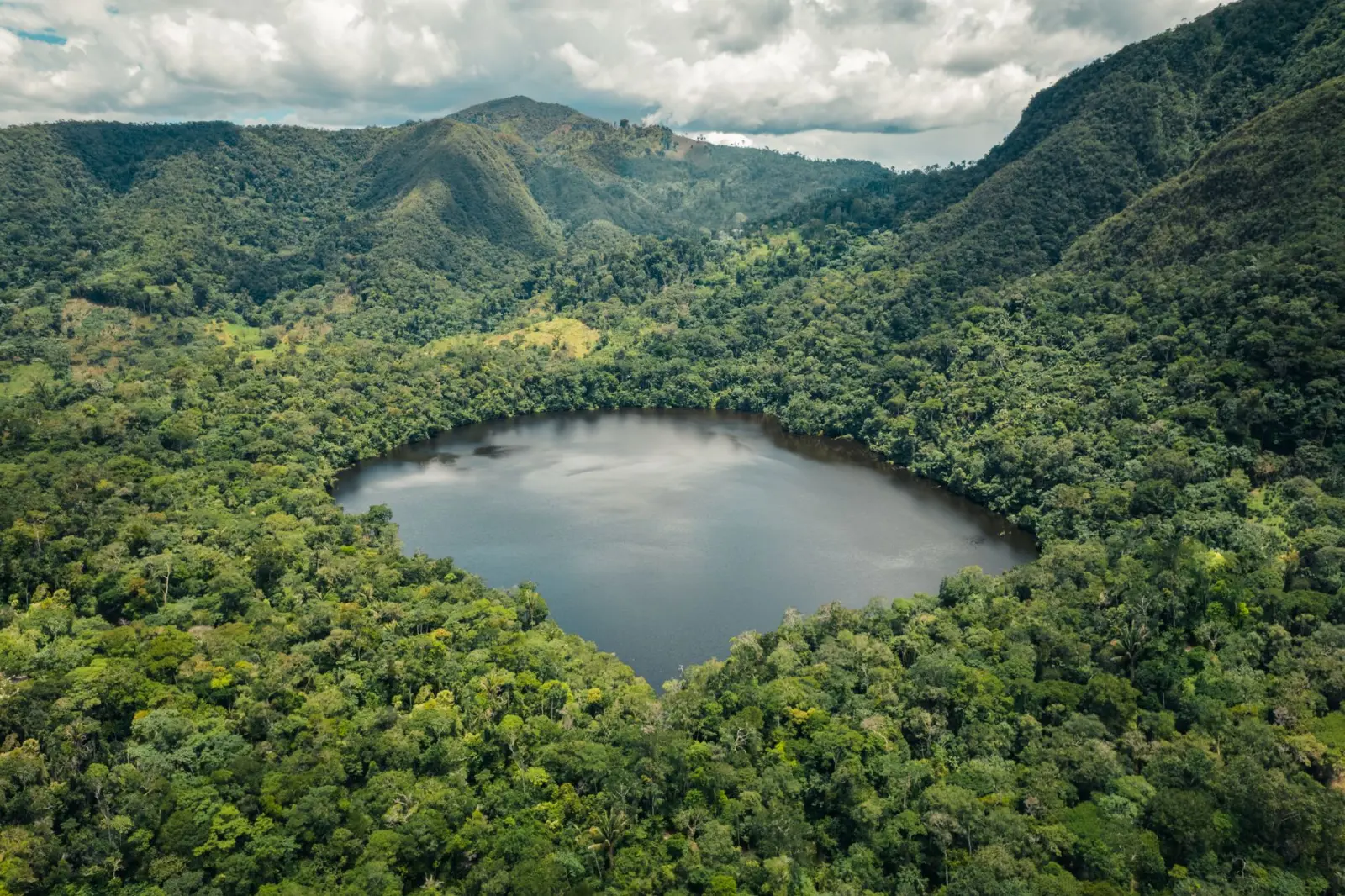
Lake Barrine sits in the Atherton Tablelands, about an hour inland from Cairns. The walk around it is often described as easy, which is technically true but misleading. I’ve done this circuit dozens of times over the years, and I’ve watched people arrive expecting a casual stroll only to find themselves struggling halfway through. The lake itself is genuinely beautiful – a volcanic crater filled with dark water, ringed by rainforest – but the walk demands more attention than most guidebooks suggest.
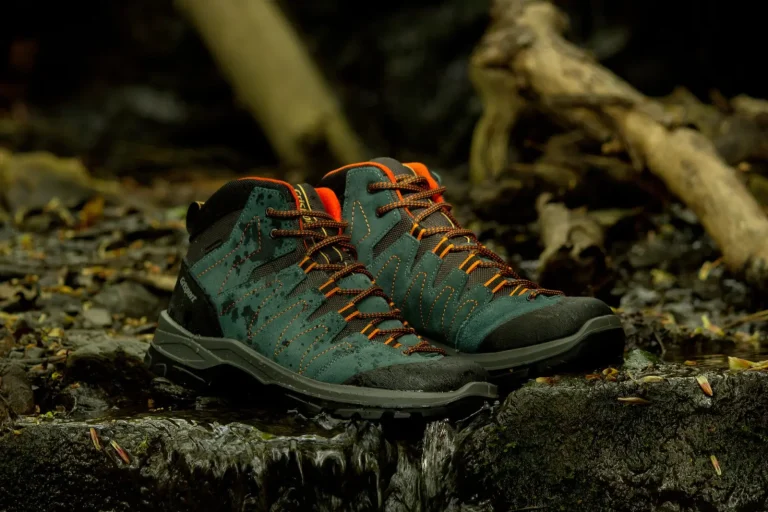
The circuit is roughly 6.5 kilometers. That distance alone doesn’t sound demanding, but the terrain is what matters. The track is well-maintained overall, but it’s not flat. There are sustained climbs, particularly on the eastern side of the lake, and the ground is uneven. Roots cross the path frequently. After rain, sections become slippery, and the moisture doesn’t dry quickly in the rainforest shade. The western side tends to be slightly easier and drier, but you’ll still encounter obstacles. I’ve seen visitors in casual sneakers turn back within the first kilometer because they underestimated the footing.
Timing and Pacing Reality
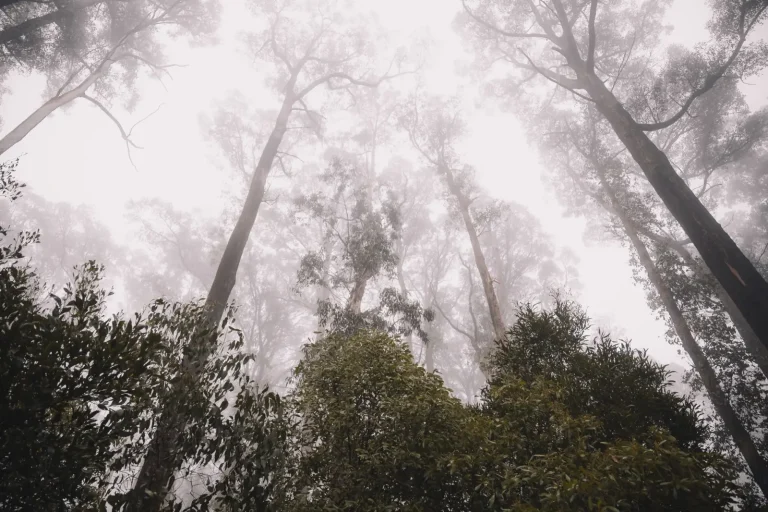
Most people assume the walk takes two to three hours. That’s plausible if you’re moving steadily and fit, but it’s not the norm. The actual experience is slower. The track narrows in places, forcing you to watch your step. There are viewpoints where people naturally pause. The rainforest canopy is dense, and even on hot days, the shade is thick enough that you don’t feel the urgency to rush. I typically see walkers taking three to four hours, sometimes longer if they stop frequently or if the track is wet.
Early morning is genuinely better. The track is less crowded, and the light filtering through the canopy is softer. By mid-morning, tour groups arrive, and the single-file sections become congested. The humidity builds as the day progresses, which affects how you feel even if the temperature doesn’t change much. I’ve noticed that people who start around 7 or 8 AM finish feeling satisfied. Those who arrive at 11 AM often feel rushed or fatigued by the end.
The Water and Wildlife
The lake itself is a draw, but it’s not swimmable for most visitors. The water is dark and cool, and there are saltwater crocodiles in the area. This isn’t a casual detail – it’s a real constraint. You can’t cool off by wading or swimming, which matters on warm days. The wildlife you’ll actually encounter is mostly birds and the occasional turtle. Cassowaries are present but rarely seen on the main track. Leeches are common after rain, particularly in the wetter sections. They’re not dangerous, but they’re persistent and unpleasant if you’re not prepared for them.
What Catches People Off Guard
The humidity is the first thing. Even if the temperature is moderate, the air feels heavy. Your clothes stick. Sweat doesn’t evaporate efficiently. People who’ve walked in drier climates often underestimate this. The second is the uneven footing. The track is clear, but it’s not paved or smoothed. Your ankles work harder than they would on a flat path. I’ve seen several people develop blisters or minor strains because they weren’t expecting the constant micro-adjustments.
The third thing is the lack of shade breaks. The rainforest provides continuous shade, which sounds good, but there are almost no open areas where you can sit and rest properly. Most people keep moving because stopping in the dense forest feels claustrophobic. This means you’re working steadily for the entire duration without real recovery periods. It’s not extreme, but it’s different from walks where you can find a sunny clearing to sit and recover.
Water availability is limited. There’s a small café near the carpark, but once you’re on the circuit, there are no facilities. Bring enough water for the full walk. I’ve watched people ration water partway through because they didn’t bring enough, and that creates unnecessary stress.
The Eastern Climb
If you go clockwise, the eastern side of the lake presents the steepest section. It’s not long – maybe 15 to 20 minutes of genuine climbing – but it comes after you’ve already been walking for an hour or more. The track is narrower here, and the roots are more pronounced. This is where fatigue becomes noticeable. People who’ve been moving too quickly often struggle here. The view from the top is worth it, but the climb itself is the point where the walk stops feeling easy.
The descent on the other side is equally demanding in a different way. Your knees take the impact, and the uneven ground requires concentration. This is where ankle injuries happen. I’ve seen people move too quickly downhill and catch a root or lose their footing. The pace needs to be deliberate.
The western return is gentler but longer. By this point, most walkers are tired. The track feels repetitive. The forest looks the same. People’s attention wanes, which is exactly when small mistakes happen. This is also where the humidity feels most oppressive because you’re fatigued and the body isn’t recovering between efforts.
Lake Barrine is a solid walk, and it’s worth doing. The rainforest is genuinely interesting, and the lake itself is striking. But it’s not a casual meander. It demands reasonable fitness, proper footwear, adequate water, and realistic expectations about timing. Go early, go slowly, and accept that you’ll be tired by the end. That’s not a flaw in the walk – it’s just what the terrain and environment require.